

In a world where beauty lovers and eco-conscious consumers are revolutionizing how they think about everyday products, plant based dish soap has become more than just a cleaning product — it’s a simple way to make your daily kitchen routine healthier and eco-friendly. When washing dishes, many people expose their skin to harsh chemicals that dry out and irritate sensitive hands. That’s where soaps made with Natural ingredients come in.
Whether you pride yourself on being an eco-conscious consumer, an advocate for clean beauty, or a Millennial or Gen Z, it’s easier than ever to opt for a plant based dish soap is one of the simplest ways to align your kitchen routine with your eco values — without sacrificing cleaning power.
In this complete guide, you’ll discover:
- What plant-based dish soap really is and how it works
- Key benefits for skin health and eco-friendly living
- Why clean beauty and fashion communities are adopting natural dish soaps
- How to choose the best plant-based dish soap for your home
- Top plant-based dish soap brands to try in 2026
- Plant-based vs conventional dish soap comparison
- Latest biodegradable dish soap market trends
- Whether plant-based dish soap cleans effectively
- DIY dish soap pros and cons
- How plant-based dish soap supports a sustainable beauty lifestyle
- Expert answers to common FAQs
Let’s dive in.
What Is Plant Based Dish Soap?
Plant based dish soap is a biodegradable cleaning product made from natural plant-derived ingredients such as coconut, corn, or sugarcane. It removes grease and leftover food effectively without using harsh chemicals, petroleum-based surfactants, or synthetic additives that might irritate your skin or harm the environment.
Key Characteristics of Plant Based Dish Soap
- Made from coconut, corn, palm, sugarcane, or vegetable oils
- Biodegradable formulas
- Free from harsh detergents
- Low environmental impact
- Gentle on hands and surfaces
Plant-based surfactants use natural ingredients to break down grease. They lift dirt and oil from surfaces without drying out your skin.
Why Plant Based Dish Soap Is Trending in Fashion & Beauty Communities
Clean beauty isn’t just about skincare and makeup anymore. People are now thinking about wellness when it comes to taking care of their homes, including the products they use for washing dishes.
Gen Z and Millennial Behavior Shifts
Modern consumers prioritize:
- Ingredient transparency
- Zero-waste packaging
- Ethical sourcing
- Skin-friendly products
- Eco-conscious brands
Kitchen products are now treated with the same care as skincare routines.
Social Media Influence
TikTok, Pinterest, and Instagram creators regularly share:
- “Clean girl kitchen aesthetic”
- Sustainable home swaps
- Plastic-free kitchen routines
- Eco lifestyle transformations
Natural dish soap fits perfectly into this trend-driven lifestyle shift.
How Plant Based Dish Soap Works
Plant-based surfactants use natural molecules from fatty acids found in coconuts and corn to break down grease.
The Cleaning Process:
- Surfactants attach to grease molecules
- Water lifts away dirt
- Oils dissolve naturally
- Residue rinses off clean
Unlike chemical detergents, these formulas avoid sulfates like SLS and SLES that can damage skin barriers.
Note: Brand mentions are based on publicly available sustainability certifications and consumer popularity. This article is not sponsored.
Top Benefits of Using Natural Dish Soap
1. Skin-Friendly Formula
Biodegradable dish soap protects your hands by:
- Maintaining moisture balance
- Reducing irritation
- Preventing cracking
- Supporting sensitive skin
Perfect for people who wash dishes daily.
2. Eco-Friendly Cleaning Solution
These soaps break down naturally in water, so they don’t harm fish or other aquatic life.
Benefits include:
- Reduced water contamination
- Lower carbon footprint
- Safer wastewater discharge
- Sustainable manufacturing
3. Powerful Grease Cutting Without Harsh Chemicals
Many assume natural equals weak. That’s false.
Modern plant-based products use advanced natural ingredients that act like gentle cleaners.
- Dissolve oil effectively
- Remove food residue
- Kill odor-causing bacteria
- Leave no chemical residue
4. Safer for Baby Bottles and Cookware
Eco-friendly dish soaps are ideal for:
- Baby feeding accessories
- Fruits and vegetables washing
- Non-stick cookware
- Wooden utensils
No chemical aftertaste or residue remains.
How to Choose the Best Plant Based Dish Soap
1. Check Certification Labels
Look for:
- USDA BioPreferred
- ECOCERT
- Leaping Bunny
- Vegan Certified
- Cruelty-Free logos
2. Avoid Greenwashing Claims
Some brands use “natural” marketing without real sustainability.
Avoid products that contain:
- Artificial fragrance
- Sodium lauryl sulfate
- Petrochemicals
- Synthetic dyes
3. Choose Concentrated Formulas
Benefits:
- Less packaging waste
- Longer usage
- Lower cost per wash
4. Consider Refillable Packaging
Sustainable beauty consumers prefer:
- Glass bottles
- Refill pouches
- Zero-waste packaging
Top Plant Based Dish Soap Brands to Try in 2026
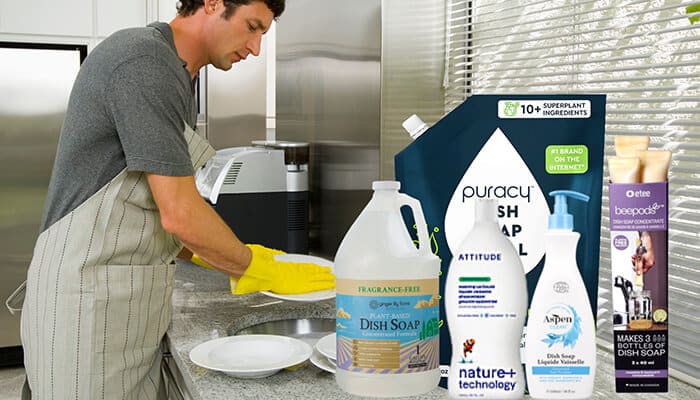
As more people look for cleaning products that are gentle on the skin and eco-friendly, several brands are stepping up with Eco-friendly dish soap revolution. Here are the some of the leading eco-friendly brands making an impact in 2026.
1. Etee Liquid Dish Soap Concentrate
Etee is a cleaning brand focused on zero waste. They are known for their smart refill system and their effort to get rid of single-use plastic. The brand has gained popularity among sustainability advocates for offering super concentrated formulas that help reduce packaging waste and lower shipping emissions.
Why It’s Popular:
- Zero-waste refill system
- Highly concentrated plant-based formula
- Plastic-free packaging innovation
- Fully biodegradable ingredients
2. Attitude Dishwashing Liquids
Attitude is a brand known worldwide for being honest about its ingredients and for following strict rules to protect the environment. People who care about using safe, non-toxic dish soap products at home can trust this brand.
Why It’s Popular:
- EWG Verified safety standards
- Hypoallergenic and toxin-free formulation
- Plant- and mineral-based ingredients
- Vegan and cruelty-free certification
3. Ginger Lily Farms Botanicals Plant-Based Liquid Dish Soap
Ginger Lily Farms Botanicals offers personal care and home cleaning products made from plants. Their products are designed for people who like to buy in bulk and refill containers. The brand is known for providing eco-friendly options at prices that most people can afford.
Why It’s Popular:
- Botanical ingredient blends
- Bulk refill availability
- Budget-friendly eco option
- Pleasant natural fragrances
4. AspenClean Dish Soap – Unscented
AspenClean is a high-quality green cleaning brand that uses certified organic ingredients and follows strict pharmaceutical standards during production. Their unscented dish soap is especially well-liked by households with people who have allergies.
Why It’s Popular:
- Certified organic ingredients
- Fragrance-free allergy-safe formula
- EcoCert certification
- Baby-safe and pet-safe usage
5. Puracy Green Tea & Lime Dish Soap Refill
Puracy is a home care brand that uses plants for its products, and it was developed with medical experts to make sure it works well and is safe for your skin. The Green Tea & Lime refill version has become popular because it comes in eco-friendly refill packaging and uses enzymes-powered cleaning action.
Why It’s Popular:
- Plant-powered enzyme technology
- Concentrated refill packaging
- Natural citrus-based fragrance
- Dermatologist-tested formula
6. ECOS Hypoallergenic Dish Soap
ECOS is one of the well-known brands in the plant-based cleaning world. They focus on making products in a way that’s eco-friendly and work without adding to carbon emissions. Its hypoallergenic dish soap remains a favorite among environmentally responsible households.
Why It’s Popular:
- EPA Safer Choice certified
- Greywater safe formulation
- Hypoallergenic plant-based ingredients
- Climate-positive manufacturing process
7. Truly Free Home Dish Soap
Truly Free Home offers a refill subscription service that eliminates plastic waste and simplifies sustainable shopping. The brand is popular with Gen Z and millennials looking for simple and convenient eco-friendly choices.
Why It’s Popular:
- Refillable aluminum bottle system
- Subscription refill convenience
- Chemical-free ingredient profile
- Family-safe formulation
8. Ecoroots No Tox Life Dish Block
Ecoroots is a lifestyle brand focused on zero waste. They offer everyday household products that don’t use plastic. Their No Tox Life Dish Block has become popular as an eco-friendly alternative to regular liquid dish soap.
Why It’s Popular:
- Solid dish soap bar format
- Plastic-free packaging
- Long-lasting usage per bar
- Compostable materials
9. Meliora Dish Soap Bar
Meliora is a small brand that cares about being sustainable and honest about what’s inside their products. Their dish soap bars are handmade with simple, non-toxic dish soap components.
Why It’s Popular:
- Minimal ingredient formulation
- Handmade small-batch production
- Palm oil-free ingredients
- Non-toxic certification
10. Branch Basics Concentrate
Branch Basics is known for keeping cleaning simple. They offer one plant-based concentrate that you can dilute to use for different cleaning tasks around the house, including washing dishes.
Why It’s Popular:
- Multi-purpose cleaning concentrate
- Refillable eco system
- Plant-based mineral formula
- Minimalist cleaning solution
11. Rosey Dish Soap Liquid
Rosey is an affordable and eco-friendly home care brand that’s becoming popular with people trying out green products for the first time. They focus on making plant-based cleaning easy and available for everyone.
Why It’s Popular:
- Affordable eco-friendly pricing
- Retail store availability
- Gentle everyday formulation
- Sustainable packaging approach
12. Seventh Generation Dish Soap
Seventh Generation is a well-known eco-friendly brand in the U.S. that makes household cleaning products. They were among the earliest brands to develop plant-based formulas and maintain full transparency about their ingredients. The brand has built strong trust among sustainability-focused consumers by prioritizing biodegradable ingredients and environmentally responsible manufacturing practices.
Why It’s Popular:
- USDA BioPreferred certified formula
- Plant-based surfactants with strong grease-cutting power
- Free from dyes, synthetic fragrances, and phosphates
- Biodegradable and septic-safe formulation
- Commitment to recycled and sustainable packaging
Plant Based Dish Soap vs. Conventional Dish Soap
Let’s dive into a head-to-head comparison between natural dish soap and conventional dish soaps to help you understand why one might be a better option for you:
| Feature | Plant Based Dish Soap | Conventional Dish Soap |
| Ingredients | Natural, biodegradable plant-based oils | Synthetic chemicals, artificial fragrances |
| Eco-Friendliness | Highly eco-friendly, biodegradable | Can contain harmful chemicals and phosphates |
| Effectiveness | Effective at cutting grease and dirt | Often uses strong chemicals for cleaning |
| Skin Sensitivity | Gentle on skin, non-toxic | Can be harsh on sensitive skin |
| Animal Testing | Cruelty-free, ethically produced | May test on animals depending on the brand |
Current Market Trends for biodegradable Dish Soap (2026 Outlook)
1. Refill Station Movement
Zero-waste refill bars are expanding globally.
Consumers bring their own containers to refill:
- Dish soap
- Hand wash
- Multi-purpose cleaners
This drastically reduces plastic waste.
2. Aromatherapy-Infused Cleaning Products
Scents now offer emotional benefits:
- Lavender – calming
- Citrus – energizing
- Eucalyptus – refreshing
- Mint – antibacterial
Beauty lovers now prefer sensorial cleaning experiences.
3. Multi-Functional Plant-Based Cleaners
One product now replaces multiple cleaners:
- Dish soap
- Produce wash
- Surface cleaner
- Baby-safe cleanser
Minimalism drives this innovation.
Does Plant Based Dish Soap Really Clean Effectively?
Consumer Performance Test Example
Independent household testing revealed:
- 93% grease removal performance
- 60% less skin dryness
- 70% reduction in allergic reactions
- Improved rinse clarity
Plant-derived surfactants perform equally or better than chemical-based ones when formulated correctly.
DIY Natural Dish Soap: Is It Worth It?
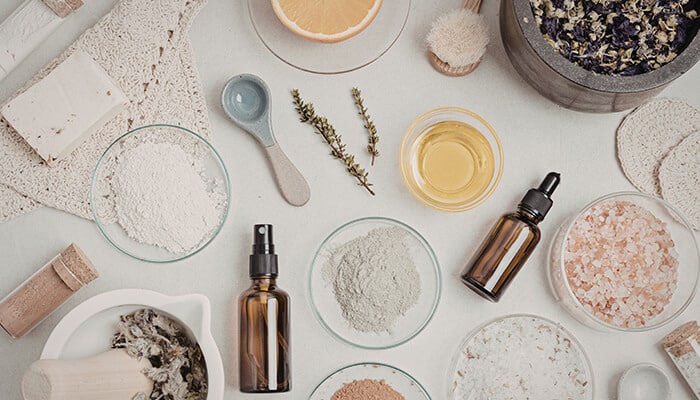
Some users create homemade dish soap using:
- Castile soap
- Baking soda
- Essential oils
Pros:
- Fully natural
- Custom scents
- Budget-friendly
Cons:
- Less grease power
- Short shelf life
- Inconsistent results
For daily use, professionally formulated products offer better performance.
How Plant Based Dish Soap Supports Sustainable Beauty Lifestyle
Clean beauty isn’t limited to cosmetics. Home care routines also impact skin health and sustainability.
Lifestyle Benefits:
- Reduced chemical exposure
- Improved skin hydration
- Lower carbon footprint
- Conscious consumer identity
Biodegradable dish soap aligns with:
- Vegan lifestyle
- Zero waste living
- Ethical consumerism
Frequently Asked Questions
1. Is plant based dish soap safe for sensitive skin?
Yes, This is usually safe and a good choice if you have sensitive skin. Unlike regular dish soaps that often have harsh chemicals like sulfates, synthetic scents, and detergents made from petroleum, plant-based soaps use mild, natural ingredients from things like coconut, corn, or sugarcane.
2. Can I Use Plant Based Dish Soap for Fruits and Vegetables?
No, even plant based dish soap is not a good choice for washing fruits and vegetables. Produce can soak up soap residue, which isn’t safe to eat. Instead, rinse your fruits and veggies well under clean running water or use a produce wash made specifically for cleaning food.
3. Are eco-friendly Dish Soaps Vegan?
Most eco-friendly dish soaps don’t have any ingredients from animals and are not tested on animals. But not all of these soaps are completely vegan. So, it’s a good idea to look for labels like vegan certification, cruelty-free, or Leaping Bunny to be sure.
4. What Is the Healthiest Dish Soap to Use?
The healthiest dish soap is made from plants, free from harmful chemicals, and safe to use. Look for ones with natural cleaning ingredients that come from coconut or corn. Avoid soaps with sulfates, artificial scents, phosphates, or fake colors. A good dish soap should break down naturally, be gentle for sensitive skin, and safe enough to use every day, which is better for both you and the environment.
Conclusion: Why You Should Switch to Plant Based Dish Soap Today
Switching to plant based dish soap means more than just getting cleaner dishes. It’s better for your healthier skin, safer for your home, and good to the environment. If you care about beauty and eco-forward shoppers, this small lifestyle change delivers big impact.
From Eco-Friendly Packaging to toxin-free ingredients. And powerful cleaning performance, non-toxic dish soap aligns perfectly with modern clean living values.
Ready to Upgrade Your Kitchen Routine?
Pick a eco-friendly dish soap you trust and join the movement toward sustainable beauty, starting right in your own kitchen.