


Losing weight is not only about eating fewer calories; it is also about maintaining muscle, controlling hunger, and building healthy habits that can continue long term. Many people struggle to get enough protein from daily meals, especially when they follow calorie-controlled diets. This is where choosing the Best Protein Powder for Weight Loss can become a practical solution for supporting nutrition goals while managing weight.
Protein plays an important role in weight management because it helps you feel full for longer, supports muscle maintenance, and improves recovery after exercise. However, not every protein powder is designed for fat loss. Some products contain excess sugar, unnecessary calories, or artificial ingredients that may slow progress instead of supporting it.
After reviewing nutrition principles, ingredient quality, protein sources, calorie content, and real-world usability, this complete guide explains how to choose the right supplement in 2026. Whether you are a beginner, fitness enthusiast, busy professional, or someone trying to improve body composition, this guide will help you make an informed decision.
What Is the Best Protein Powder for Weight Loss?
The Best Protein Powder for Weight Loss is a supplement that provides high-quality protein with fewer calories, minimal added sugar, and ingredients that support your nutrition goals.
Protein powder itself does not directly burn fat. Weight loss happens when your body maintains a calorie deficit, meaning you consume fewer calories than you use. However, protein powder can make this process easier by helping you:
- Reduce unnecessary hunger
- Maintain lean muscle during weight loss
- Increase daily protein intake
- Recover after workouts
- Create balanced meals and snacks
Research suggests that higher protein intake can support fullness and help preserve muscle during calorie reduction.
A good protein powder should work as a nutritional tool, not as a replacement for a balanced diet.
Why Protein Matters During Weight Loss
Many people focus only on reducing calories when trying to lose weight. However, losing too much muscle can reduce strength, energy levels, and metabolic health.
Protein supports weight loss in several ways:
1. Helps Control Hunger
Protein takes longer to digest compared with carbohydrates. This can help you feel satisfied after meals and reduce unnecessary snacking.
A protein shake between meals may help prevent:
- Late-night cravings
- High-calorie snacks
- Overeating during meals
2. Supports Muscle Preservation
When losing weight, the goal should be reducing fat while maintaining muscle. Adequate protein combined with resistance training helps protect lean body mass.
3. Improves Workout Recovery
Exercise creates small muscle breakdowns. Protein provides amino acids needed for repair and recovery.
4. Makes Healthy Eating Easier
Busy schedules often make it difficult to prepare protein-rich meals. A protein shake provides a quick option when whole foods are unavailable.
Types of Protein Powder for Weight Loss
Different protein sources work differently depending on your dietary needs, digestion, and fitness goals.
| Protein Type | Best For | Benefits | Considerations |
| Whey Protein Isolate | Fast weight loss support | High protein, low carbs and fat | May not suit lactose-sensitive people |
| Whey Concentrate | General fitness | Affordable and nutritious | Slightly higher calories |
| Casein Protein | Night-time use | Slow digestion, longer fullness | Thicker texture |
| Plant Protein | Vegans and vegetarians | Dairy-free option | Check amino acid profile |
| Soy Protein | Plant-based diets | Complete protein source | Some avoid soy due to preferences |
| Egg Protein | Dairy-free users | High-quality protein | Usually more expensive |
Whey Protein vs Plant Protein: Which Is Better for Weight Loss?
The answer depends on your personal requirements.
Whey Protein
Whey is one of the most popular choices because it contains all essential amino acids and is quickly absorbed.
Advantages:
- High protein content
- Supports muscle recovery
- Easy to mix
- Available in many flavors
Whey isolate is often preferred for weight loss because it generally contains less fat and carbohydrates compared with other forms.
Plant-Based Protein
Plant proteins such as pea, soy, rice, and hemp are suitable for people avoiding dairy.
Advantages:
- Dairy-free
- Suitable for vegan diets
- Often easier for some people to digest
Some plant proteins also provide additional nutrients depending on the source.
How to Choose the Best Protein Powder for Weight Loss
Choosing the right supplement requires more than looking at the protein number on the label.
1. Check Protein Per Serving
A good weight-loss protein powder usually provides:
- Around 20–30 grams of protein per serving
- Low unnecessary calories
- Complete amino acid profile
2. Look at Calories
A protein powder designed for fat loss should not add too many extra calories.
Compare:
| Product Type | Typical Calories |
| Lean protein powder | 100–150 calories |
| Regular protein powder | 120–200 calories |
| Mass gainer | 500+ calories |
Mass gainers are designed for gaining weight, not losing it.
3. Avoid Excess Sugar
Check the nutrition label for:
- Added sugar
- Artificial sweeteners
- High carbohydrate content
A weight-loss-friendly option usually contains little or no added sugar.
4. Consider Ingredient Quality
Look for:
- Transparent ingredient lists
- Third-party testing
- Minimal unnecessary additives
Experts recommend checking labels because some protein powders contain added ingredients that may not match a person’s health goals.
Best Protein Powder Categories for Different Goals
Best Overall Choice
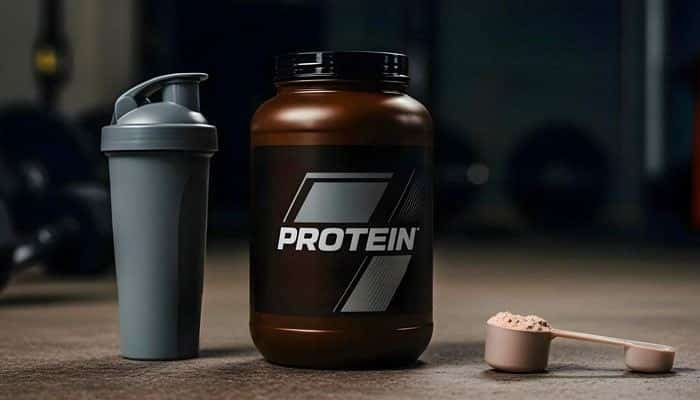
Whey Protein Isolate
Ideal for:
- Fat loss
- Muscle maintenance
- Fitness beginners
- Gym users
It provides high protein with fewer calories and carbohydrates.
Best Vegan Option
Pea and Plant-Based Protein Blend
Ideal for:
- Vegans
- Dairy-sensitive users
- Plant-based diets
A blend of different plant proteins can improve amino acid balance.
Best for Appetite Control
Casein Protein
Casein digests slowly and may help some people stay full longer.
It is often used:
- Before bedtime
- Between meals
- During calorie-controlled diets
How to Use Protein Powder for Weight Loss
Timing matters less than your total daily protein intake, but these situations can be useful:
Morning Breakfast
Use protein powder with:
- Oats
- Fruit
- Greek yogurt
- Smoothies
After Exercise
A protein shake after training can support muscle recovery.
Healthy Snack Replacement
Replace high-calorie snacks with:
- Protein shake
- Nuts
- Fruit
Before Bed
Casein protein may be useful for people who need extra protein before sleep.
Common Mistakes People Make With Protein Powder
1. Thinking Protein Powder Burns Fat
Protein powder supports weight loss but does not magically remove fat.
Fat loss still requires:
- Balanced calories
- Regular movement
- Healthy eating habits
2. Choosing High-Calorie Products

Some shakes contain:
- Added sugar
- Creamers
- Extra carbohydrates
Always check the nutrition label.
3. Replacing All Meals
Protein shakes should supplement your diet, not replace nutritious foods completely.
Whole foods provide:
- Fiber
- Vitamins
- Minerals
- Healthy fats
4. Ignoring Exercise
Protein works best when combined with:
- Strength training
- Walking
- Regular physical activity
How Much Protein Do You Need for Weight Loss?
Protein needs depend on:
- Body weight
- Age
- Activity level
- Fitness goals
Many active individuals benefit from higher protein intake, often around 1.2–1.6 grams per kilogram of body weight daily, depending on individual circumstances.
Example:
A person weighing 70 kg may need approximately:
- Lower range: 84 grams/day
- Higher range: 112 grams/day
A protein shake can help fill the gap when food alone is not enough.
Who Should Be Careful With Protein Powder?
Protein supplements are generally safe for many healthy adults, but some people should seek professional advice before increasing protein intake.
Talk with a healthcare professional if you have:
- Kidney disease
- Food allergies
- Digestive disorders
- Medical conditions requiring dietary restrictions
Also check labels carefully if you have:
- Lactose intolerance
- Dairy allergy
- Artificial sweetener sensitivity
Best Protein Powder for Weight Loss Buying Checklist 2026
Before purchasing, ask:
- Does it provide at least 20g protein per serving?
- Is sugar content low?
- Are calories suitable for my goal?
- Does it match my dietary preference?
- Does it contain quality ingredients?
- Does the brand provide transparency?
Protein Powder Comparison: Quick Guide
| Goal | Recommended Protein |
| Maximum fat-loss support | Whey isolate |
| Vegan weight loss | Pea protein blend |
| Long-lasting fullness | Casein |
| Budget-friendly option | Whey concentrate |
| Dairy-free choice | Plant protein |
Final Thoughts
Finding the Best Protein Powder for Weight Loss is about choosing a supplement that fits your lifestyle, nutrition needs, and fitness goals. The right protein powder should provide enough protein, support muscle maintenance, control hunger, and avoid unnecessary calories or added sugars.
Whey isolate, casein, and plant-based proteins can all be effective choices when used correctly. The most important factor is consistency combining adequate protein intake with healthy eating, exercise, and sustainable habits.
A protein powder is not a shortcut to weight loss, but it can be a convenient and effective tool that helps you stay on track in 2026.
Best Protein Powder for Weight Loss FAQs
1. Does protein powder help lose weight?
Protein powder can support weight loss by increasing protein intake, improving fullness, and helping maintain muscle. However, it works best with a calorie-controlled diet and healthy lifestyle.
2. What is the Best Protein Powder for Weight Loss?
The Best Protein Powder for Weight Loss depends on your dietary needs. Whey isolate is popular for low calories, while plant protein works well for vegan users.
3. Can I drink protein shakes every day?
Yes, many people use protein shakes daily if they fit within their overall nutrition plan.
4. Is whey protein better than plant protein for weight loss?
Both can support weight loss. Whey may offer a complete amino acid profile, while plant protein is suitable for people avoiding dairy.
5. What time is best to take protein powder?
You can take protein powder anytime that helps you meet your daily protein goal. Many people prefer breakfast, post-workout, or as a snack.
6. Can protein powder replace meals?
Protein powder should not replace all meals. Whole foods provide important nutrients that supplements may not contain.
