
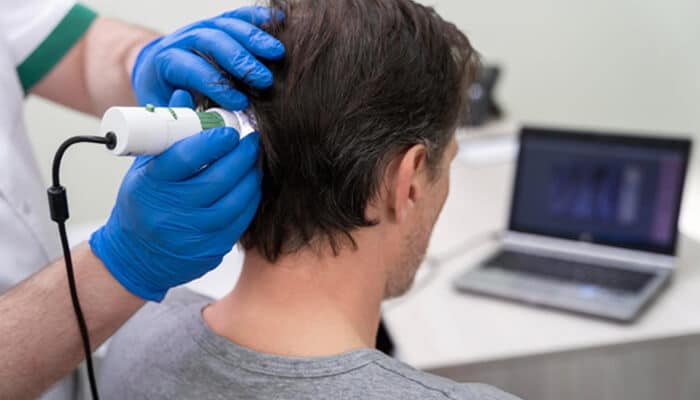

Hair thinning affects millions of people worldwide, leading many to search for solutions that deliver lasting improvements rather than temporary cosmetic fixes. Today, the market offers a wide variety of hair growth technologies, ranging from topical products and nutritional supplements to advanced laser devices. Understanding how these options differ can help you choose an approach that aligns with your long-term hair wellness goals.
While no single solution works the same for everyone, advancements in hair restoration technology have made it possible to support healthier-looking hair with non-invasive, at-home treatments.
Understanding the Hair Growth Cycle
Before comparing different technologies, it’s important to understand how hair naturally grows.
Each hair follicle cycles through three primary phases:
- Anagen (Growth Phase): Hair actively grows for several years.
- Catagen (Transition Phase): Growth slows as the follicle prepares to rest.
- Telogen (Resting Phase): Older hairs naturally shed, allowing new strands to emerge.
Because hair growth is gradual, noticeable improvements often take several months. It’s also common to mistake new, shorter hairs for breakage during the early stages of a hair care routine. Learning to recognize these differences can help users maintain realistic expectations and remain consistent with their chosen treatment.
Topical Hair Growth Products
Topical solutions remain one of the most widely used approaches for supporting hair growth.
These products are typically applied directly to the scalp and may help maintain healthy follicles when used consistently. However, they require daily application, and visible changes often take several months.
Some users appreciate their accessibility, while others prefer treatment options that require less daily maintenance.
Nutritional Support
Hair health is influenced by overall nutrition.
A balanced diet rich in vitamins, minerals, protein, and healthy fats supports normal hair growth. In some cases, healthcare professionals may recommend supplements if nutritional deficiencies are contributing to thinning hair.
Although proper nutrition is essential, supplements alone may not address every cause of hair loss, especially those related to genetics or aging.
Low-Level Laser Therapy (LLLT)
One of the most significant advances in non-invasive hair restoration is Low-Level Laser Therapy (LLLT).
This technology uses medical-grade red light to stimulate cellular activity within the scalp. Rather than relying on medications or invasive procedures, laser therapy offers a drug-free option that many individuals choose as part of their long-term hair wellness routine.
Modern laser devices are designed for home use, allowing users to complete treatments conveniently without frequent clinic visits.
Comparing Laser Devices
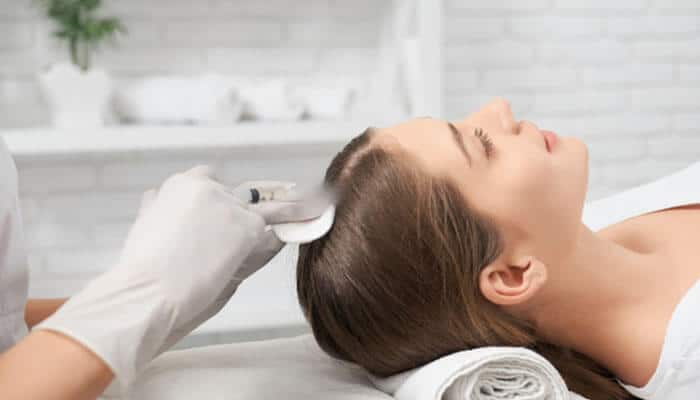
Today’s laser therapy products come in several forms, including combs, caps, helmets, and headbands. Each design offers different levels of coverage, convenience, and ease of use.
When evaluating the best laser hair growth device, it’s important to consider more than marketing claims. Factors such as the number of medical-grade lasers, treatment coverage, comfort, ease of use, clinical research, and consistency of treatment all play an important role in the overall user experience.
Selecting a reputable device backed by scientific research can provide greater confidence when investing in long-term hair care.
Consistency Is More Important Than Speed
Many people expect immediate results when starting a new hair restoration routine. However, healthy hair growth follows a natural biological cycle that cannot be rushed.
Regardless of the technology you choose, consistency is one of the most important factors. Missing treatments or switching products too frequently may make it difficult to evaluate progress.
Photographing your hair every few weeks under similar lighting conditions can provide a more accurate way to monitor gradual improvements than relying on day-to-day observations.
Combining Multiple Approaches
Many individuals choose a comprehensive approach to hair wellness by combining healthy lifestyle habits with modern technology.
This may include:
- Maintaining a nutrient-rich diet
- Managing stress levels
- Using gentle hair care products
- Protecting the scalp from excessive damage
- Following a consistent laser therapy schedule
A holistic routine often provides better long-term support than relying on a single strategy alone.
Choosing the Right Solution
With so many products available, selecting the right option can feel overwhelming. Instead of focusing solely on price or popularity, consider:
- Clinical research supporting the technology
- Ease of maintaining a regular treatment schedule
- Comfort during use
- Treatment coverage
- Product quality and durability
- Manufacturer reputation
- Customer support and warranty
Investing in a well-designed solution can make it easier to stay consistent over the months required to see meaningful progress.
Final Thoughts
Modern hair growth technology has provided more options than ever before for individuals looking to support healthier, fuller-looking hair. From topical treatments and nutritional support to advanced laser therapy devices, each approach offers unique advantages depending on individual needs and preferences.
Since hair grows gradually, patience and consistency remain essential. Understanding the natural hair growth cycle, recognizing the difference between new growth and breakage, and choosing a high-quality treatment backed by research can help set realistic expectations for long-term success.
Frequently Asked Questions
1. What is Low-Level Laser Therapy (LLLT)?
LLLT is a non-invasive technology that uses low-level red light to support normal cellular activity in the scalp and promote healthy hair growth.
2. How long does it take to notice results from hair growth treatments?
Because hair grows in natural cycles, noticeable improvements often take several months of consistent use. Individual experiences may vary.
3. How can I tell the difference between new hair growth and breakage?
New hair growth usually appears as short, fine hairs emerging from the scalp, while breakage often occurs along the hair shaft and may leave uneven or damaged ends.
4. Can laser hair growth devices be used alongside other hair care routines?
Many people combine laser therapy with healthy nutrition, gentle hair care practices, and scalp wellness routines. Consult a healthcare professional if you’re using prescription treatments.
5. What should I consider before buying a laser hair growth device?
Look for clinically researched technology, medical-grade lasers, comfortable design, sufficient scalp coverage, ease of use, manufacturer reputation, and a consistent treatment plan that fits your lifestyle.