


Choosing a name for your baby girl is one of the most exciting parts of becoming a parent. Japanese Names for Girls are especially loved for their gentle sounds, beautiful meanings, and close connection to nature, family, and tradition. From names inspired by cherry blossoms to those that express hope, happiness, and strength, Japanese culture offers many lovely choices.
What makes Japanese girl names special is the meaning behind them. A name such as Sakura can represent cherry blossoms, while Hikari can mean light. Some names reflect the seasons, while others express qualities such as kindness, wisdom, and beauty. However, Japanese names can have different meanings depending on the kanji characters used to write them.
Whether you are looking for a traditional name, a modern favorite, or something short and easy to pronounce, this guide will help you explore 150 beautiful Japanese Names for Girls with meanings and origins. You will also learn how Japanese naming traditions work, what makes certain names unique, and how to choose a meaningful name that feels right for your daughter.
What Makes Japanese Names for Girls Special?
Japanese names are more than beautiful combinations of sounds. They often express a family’s wishes, cultural values, and appreciation for the natural world.
Many Japanese names have connections to:
- Nature: Flowers, trees, mountains, oceans, and the sky.
- Seasons: Spring blossoms, summer sunshine, and winter snow.
- Positive qualities: Kindness, honesty, wisdom, and courage.
- Happiness: Joy, hope, peace, and good fortune.
- Family traditions: Characters or naming patterns passed down through generations.
An important detail is that the meaning of a Japanese name depends on its written form. Two girls named Haruka, for example, may have names written with different kanji and therefore different meanings.
How Japanese Girl Names Get Their Meanings
Before exploring the complete list, it helps to understand Japan’s writing system. Japanese given names can be written using kanji, hiragana, and sometimes katakana.
Kanji: Characters That Carry Meaning
Kanji characters often give a name its meaning. A single pronunciation can have several possible written forms.
For example:
| Name | Example kanji | Meaning |
| Sakura | 桜 | Cherry blossom |
| Hikari | 光 | Light |
| Yuki | 雪 | Snow |
| Hana | 花 | Flower |
| Aoi | 葵 | Hollyhock |
| Akari | 明里 | Bright village or brightness and home |
| Haruka | 遥 | Distant or faraway |
These are examples rather than the only possible spellings. The meaning of each name should always be checked against its exact characters.
Hiragana and Katakana Names
Hiragana is a Japanese writing system commonly used for native Japanese words. Some parents choose hiragana for a softer visual appearance or because they prefer a name without a fixed kanji interpretation.
Katakana is often used for foreign words and names, although it can also appear in Japanese given names.
Japanese Naming Traditions
In Japan, the family name traditionally comes before the given name. For example, in Tanaka Sakura, Tanaka is the family name and Sakura is the given name.
Some traditional feminine names end in -ko, which can mean child when written with 子. Names such as Keiko and Sachiko reflect this pattern. Modern Japanese girls’ names also include shorter forms and names ending in sounds such as -na, -mi, and -ka.
150 Beautiful Japanese Names for Girls With Meanings
The following collection includes traditional, modern, nature-inspired, short, and less common choices. Each entry gives an example of how the name can be written and what that spelling means.
Important: The meanings below apply to the specific kanji shown. Other spellings may produce different meanings, and some names are unisex or less common as girls’ names.
1. Popular and Beautiful Japanese Names for Girls
These names combine pleasant sounds with meaningful characters. Several are familiar in Japan, although their popularity varies by year and spelling.
| No. | Name | Kanji | Meaning |
| 1 | Sakura | 桜 | Cherry blossom |
| 2 | Yui | 結衣 | Connection and clothing |
| 3 | Aoi | 葵 | Hollyhock |
| 4 | Hana | 花 | Flower |
| 5 | Hina | 陽菜 | Sunshine and greens |
| 6 | Mei | 芽衣 | Sprout and clothing |
| 7 | Rin | 凛 | Dignified |
| 8 | Mio | 美桜 | Beautiful cherry blossom |
| 9 | Yuna | 優奈 | Gentleness and phonetic 奈 |
| 10 | Akari | 明里 | Brightness and village |
| 11 | Himari | 陽葵 | Sunlight and hollyhock |
| 12 | Koharu | 小春 | Little spring |
| 13 | Ichika | 一花 | One flower |
| 14 | Nanami | 七海 | Seven seas |
| 15 | Saki | 咲希 | Bloom and hope |
Why choose these names? They offer a balance of familiar Japanese sounds and meaningful written forms. Sakura, Hana, and Aoi are especially appealing to parents who love nature.
2. Cute Japanese Names for Girls
If you prefer sweet, cheerful names, these choices have friendly sounds and charming meanings.
| No. | Name | Kanji | Meaning |
| 16 | Momo | 桃 | Peach |
| 17 | Momoka | 桃花 | Peach blossom |
| 18 | Riko | 莉子 | Jasmine-related character and child |
| 19 | Kokona | 心菜 | Heart and greens |
| 20 | Niko | 仁子 | Benevolence and child |
| 21 | Rina | 莉奈 | Jasmine-related character and phonetic 奈 |
| 22 | Nana | 菜々 | Repeated greens character |
| 23 | Emi | 笑美 | Smile and beauty |
| 24 | Miki | 美希 | Beauty and hope |
| 25 | Yume | 夢 | Dream |
| 26 | Koko | 心々 | Repeated heart character |
| 27 | Rumi | 留美 | Stay and beauty |
| 28 | Mimi | 美々 | Repeated beauty character |
| 29 | Chika | 千花 | Thousand flowers |
| 30 | Nene | 寧々 | Repeated peaceful character |
Cute Japanese Names for Girls often have two or three syllables, making them easy to say and remember. Some spellings in this group are more unusual than others, so it is worth checking how a name is used in Japan.
3. Japanese Girl Names Inspired by Flowers and Nature
Nature plays an important role in Japanese art, poetry, and everyday life. Flowers, trees, and seasonal changes also inspire many personal names.
| No. | Name | Kanji | Meaning |
| 31 | Tsubaki | 椿 | Camellia |
| 32 | Sumire | 菫 | Violet |
| 33 | Yuri | 百合 | Lily |
| 34 | Ran | 蘭 | Orchid |
| 35 | Kaede | 楓 | Maple |
| 36 | Momiji | 紅葉 | Autumn leaves |
| 37 | Ume | 梅 | Japanese plum |
| 38 | Ayame | 菖蒲 | Iris or sweet flag |
| 39 | Botan | 牡丹 | Peony |
| 40 | Kiku | 菊 | Chrysanthemum |
| 41 | Natsume | 棗 | Jujube |
| 42 | Wakaba | 若葉 | Young leaves |
| 43 | Hazuki | 葉月 | Leaf month |
| 44 | Suzuran | 鈴蘭 | Lily of the valley |
| 45 | Himawari | 向日葵 | Sunflower |
Why are flower names meaningful in Japan?
Flowers are connected with seasonal beauty and cultural traditions. Cherry blossoms are often associated with spring and the fleeting nature of life. Chrysanthemums have strong historical and cultural associations, including with Japan’s imperial family.
A flower-inspired name can be a lovely way to express appreciation for nature without choosing a name that sounds overly elaborate.
4. Traditional Japanese Names for Girls
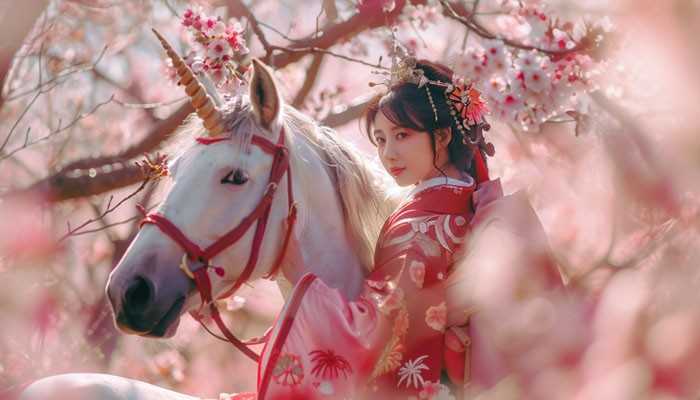
Traditional Japanese Names for Girls often use established kanji combinations and familiar endings. Many names ending in -ko were especially common among earlier generations.
| No. | Name | Kanji | Meaning |
| 46 | Keiko | 恵子 | Blessing and child |
| 47 | Sachiko | 幸子 | Happiness and child |
| 48 | Yoshiko | 良子 | Good and child |
| 49 | Akiko | 秋子 | Autumn child |
| 50 | Noriko | 典子 | Tradition or code and child |
| 51 | Tomoko | 智子 | Wisdom and child |
| 52 | Fumiko | 文子 | Writing or literature and child |
| 53 | Kazuko | 和子 | Harmony and child |
| 54 | Haruko | 春子 | Spring child |
| 55 | Setsuko | 節子 | Season or principle and child |
| 56 | Chiyoko | 千代子 | Thousand generations and child |
| 57 | Hideko | 秀子 | Excellence and child |
| 58 | Masako | 雅子 | Elegance and child |
| 59 | Reiko | 礼子 | Courtesy and child |
| 60 | Shizuko | 静子 | Quiet or peaceful child |
Traditional names may appeal to families who want to honor Japanese heritage or relatives.
For example, a family might choose Haruko to celebrate a spring birth or Kazuko to express a wish for harmony.
5. Modern and Stylish Japanese Names for Girls
Modern Japanese naming styles often favor appealing sounds, shorter names, and creative kanji combinations.
| No. | Name | Kanji | Meaning |
| 61 | Ria | 莉愛 | Jasmine-related character and love |
| 62 | Ema | 絵麻 | Picture and hemp |
| 63 | Ruka | 瑠花 | Lapis-lazuli-related character and flower |
| 64 | Rena | 怜奈 | Cleverness and phonetic 奈 |
| 65 | Yua | 結愛 | Connection and love |
| 66 | Noa | 乃愛 | Classical possessive character and love |
| 67 | Rion | 莉音 | Jasmine-related character and sound |
| 68 | Sera | 星良 | Star and goodness |
| 69 | Mana | 愛菜 | Love and greens |
| 70 | Rio | 莉央 | Jasmine-related character and center |
| 71 | Yuina | 結菜 | Connection and greens |
| 72 | Aina | 愛菜 | Love and greens |
| 73 | Hiyori | 日和 | Fine weather |
| 74 | Ririka | 莉々花 | Repeated jasmine-related character and flower |
| 75 | Sara | 紗良 | Fine gauze and goodness |
Names such as Ema, Sara, and Ria may also be easy for people outside Japan to pronounce. However, their Japanese readings and spellings should be confirmed before use.
6. Unique and Less Common Japanese Names for Girls
Looking for something different? These names offer distinctive sounds or striking images. Less common does not necessarily mean newly invented, and some entries may be more familiar as words or unisex names.
| No. | Name | Kanji | Meaning |
| 76 | Hotaru | 蛍 | Firefly |
| 77 | Shion | 紫苑 | Aster flower |
| 78 | Tsukiko | 月子 | Moon child |
| 79 | Kaguya | 輝夜 | Shining night |
| 80 | Amane | 天音 | Heavenly sound |
| 81 | Kanade | 奏 | To play music |
| 82 | Suzu | 鈴 | Bell |
| 83 | Suzune | 鈴音 | Bell sound |
| 84 | Kotone | 琴音 | Koto music or sound |
| 85 | Tamaki | 環 | Ring or circle |
| 86 | Kiyora | 清良 | Purity and goodness |
| 87 | Chihaya | 千早 | Thousand and early |
| 88 | Towa | 永遠 | Eternity |
| 89 | Yuzuki | 柚月 | Yuzu citrus and moon |
| 90 | Kohaku | 琥珀 | Amber |
What makes a Japanese name unique?
A name may feel distinctive because of its pronunciation, kanji combination, or cultural association.
Kaguya, for example, is associated with Princess Kaguya from The Tale of the Bamboo Cutter, a famous Japanese story. Hotaru brings to mind fireflies, while Kotone has a musical connection.
For parents seeking a less familiar name, checking both pronunciation and cultural context is especially useful.
7. Short Japanese Names for Girls
Short Japanese Names for Girls can be simple, elegant, and easy to remember. Many also work well in multilingual families.
| No. | Name | Kanji | Meaning |
| 91 | Ai | 愛 | Love |
| 92 | Rei | 麗 | Beautiful or graceful |
| 93 | Mai | 舞 | Dance |
| 94 | Aya | 彩 | Color |
| 95 | Nao | 直 | Honest or straightforward |
| 96 | Sora | 空 | Sky |
| 97 | Uta | 詩 | Poem |
| 98 | Koto | 琴 | Japanese zither |
| 99 | Miu | 美羽 | Beautiful feather |
| 100 | Rui | 琉衣 | Gemstone-related character and clothing |
| 101 | Yuu | 優 | Gentle or excellent |
| 102 | Nagi | 凪 | Calm weather or sea |
| 103 | Maki | 真希 | Truth and hope |
| 104 | Iroha | 彩葉 | Color and leaf |
| 105 | Sui | 翠 | Jade green |
Ai, Rei, and Mai are particularly compact choices. Sora, Nagi, and Rui can also be used across genders, depending on naming practices and kanji.
8. Japanese Names for Girls That Mean Love, Happiness, and Hope
Some parents want a name that expresses their wishes for their child’s future.
These names use characters associated with affection, happiness, blessings, and optimism.
| No. | Name | Kanji | Meaning |
| 106 | Aiko | 愛子 | Love and child |
| 107 | Manami | 愛美 | Love and beauty |
| 108 | Megumi | 恵 | Blessing |
| 109 | Nozomi | 望 | Hope or wish |
| 110 | Sachi | 幸 | Happiness or good fortune |
| 111 | Yukiko | 幸子 | Happiness and child |
| 112 | Emiko | 笑美子 | Smile, beauty, and child |
| 113 | Eri | 恵理 | Blessing and reason |
| 114 | Aimi | 愛美 | Love and beauty |
| 115 | Miyuki | 美幸 | Beauty and happiness |
| 116 | Yukie | 幸恵 | Happiness and blessing |
| 117 | Kanako | 佳奈子 | Excellence, phonetic 奈, and child |
| 118 | Mayumi | 真弓 | True bow |
| 119 | Mutsumi | 睦美 | Harmony and beauty |
| 120 | Yasuko | 安子 | Peace and child |
Although Manami and Aimi share the same example kanji, their readings differ. This is one reason Japanese names cannot always be translated accurately from their sounds alone.
9. Japanese Girl Names Inspired by the Sky, Moon, and Seasons
The changing seasons are important themes in Japanese literature and culture. Names inspired by the sky, moon, and weather can express a sense of wonder and calm.
| No. | Name | Kanji | Meaning |
| 121 | Haru | 春 | Spring |
| 122 | Natsuki | 夏希 | Summer and hope |
| 123 | Fuyuka | 冬花 | Winter flower |
| 124 | Akina | 秋菜 | Autumn and greens |
| 125 | Hoshiko | 星子 | Star child |
| 126 | Hoshimi | 星美 | Star and beauty |
| 127 | Mizuki | 瑞月 | Auspicious and moon |
| 128 | Tsukina | 月菜 | Moon and greens |
| 129 | Asahi | 朝日 | Morning sun |
| 130 | Haruhi | 春日 | Spring day |
| 131 | Haruna | 春菜 | Spring and greens |
| 132 | Natsumi | 夏美 | Summer beauty |
| 133 | Fuyumi | 冬美 | Winter beauty |
| 134 | Yukina | 雪菜 | Snow and greens |
| 135 | Seira | 星羅 | Star and gauze or net |
Choosing a seasonal name
A seasonal name can celebrate the time of year when a child is born. However, there is no rule requiring the name to match the baby’s birth month.
For example, parents may choose Natsumi because they love summer, even if their daughter is born in winter.
10. Elegant Japanese Names for Girls With Strong Meanings
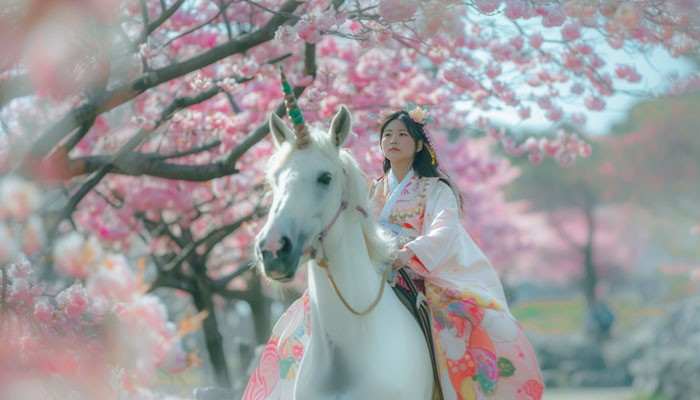
Elegant names often combine graceful sounds with ideas such as wisdom, beauty, independence, and inner strength.
| No. | Name | Kanji | Meaning |
| 136 | Miyabi | 雅 | Elegance or refinement |
| 137 | Chisato | 千里 | Thousand ri (a unit of distance) |
| 138 | Satomi | 聡美 | Wisdom and beauty |
| 139 | Tomomi | 智美 | Wisdom and beauty |
| 140 | Kiyomi | 清美 | Purity and beauty |
| 141 | Naomi | 直美 | Honesty and beauty |
| 142 | Takako | 貴子 | Nobility and child |
| 143 | Yurika | 百合香 | Lily and fragrance |
| 144 | Sayaka | 清香 | Purity and fragrance |
| 145 | Ayaka | 彩花 | Colorful flower |
| 146 | Ritsuko | 律子 | Discipline or law and child |
| 147 | Masami | 正美 | Correctness and beauty |
| 148 | Asuka | 明日香 | Tomorrow and fragrance |
| 149 | Shiori | 栞 | Bookmark or guide |
| 150 | Konomi | 好美 | Fondness and beauty |
Names such as Miyabi, Satomi, and Kiyomi are appealing choices for parents who appreciate refined meanings.
Keep in mind that qualities such as strength or independence are often personal interpretations of a name, rather than exact dictionary translations of its kanji.
Most Popular Japanese Girl Names in 2026: What Do the Latest Rankings Show?
Parents looking for Japanese Names for Girls may also want to know which names families in Japan are choosing today.
The latest annual Meiji Yasuda Life Insurance ranking available as of October 2026 covers babies born in 2025. It offers a useful look at recent naming trends, although it is not a complete census of every birth in Japan.
Here are the leading girls’ names by written form:
| Rank | Name | Kanji | Meaning or association |
| 1 | Sui | 翠 | Kingfisher, jade-green color |
| 2 | Himari | 陽葵 | Sunlight and hollyhock |
| 3 | Tsumugi | 紬 | Traditional woven fabric |
| 4 | Mashiro | 茉白 | Jasmine and white |
| 5 | Rin | 凛 | Dignity and composure |
| 6 | Hina | 陽菜 | Sunshine and greens |
| 7 | Koharu | 心陽 | Heart and sunlight |
| 8 (tie) | Iroha | 彩葉 | Color and leaves |
| 8 (tie) | Uta | 詩 | Poetry |
| 10 (tie) | Kotoha | 琴葉 | Koto instrument and leaves |
| 10 (tie) | Yuina/Yuna | 結菜 | Connection and greens |
Source: Meiji Yasuda’s 2025 baby-name survey and Nippon.com’s English-language ranking analysis.
These results show continuing interest in names connected to nature, warmth, personal character, and meaningful relationships. They also show that a name’s written form and pronunciation are not always the same thing: Ema was the leading girls’ name by pronunciation in the 2025 survey.
How to Choose the Perfect Japanese Name for Your Baby Girl
Finding the right name takes more than picking something that sounds beautiful. Consider these practical steps.
1. Start With the Meaning
Think about the qualities or ideas you want the name to express.
For example, Ai represents love, Hikari represents light, and Nozomi can express hope.
2. Check the Kanji Carefully
The same pronunciation can have several written forms. Always check the exact characters rather than trusting a single English translation.
3. Say the Name Out Loud
Practice the name with your family surname. Consider whether it is comfortable to pronounce in the languages your family uses.
4. Respect the Cultural Background
Learn whether the name is commonly used for girls, associated with a particular generation, or connected to a historical or literary figure.
5. Check Official Naming Rules
If you are registering a birth in Japan, confirm that the characters and pronunciation meet current legal requirements.
Japan’s Ministry of Justice provides information about permitted name characters. Since May 2025, Japanese family-register rules have also formally addressed the recording of name pronunciations, including requirements concerning their relationship to the written characters.
Common Mistakes to Avoid When Choosing Japanese Names
Even a beautiful name can cause confusion when its meaning or pronunciation is misunderstood.
- Assuming every name has one meaning: Kanji combinations can change the interpretation.
- Trusting automatic translations: Online tools may translate characters literally without understanding naming conventions.
- Ignoring pronunciation: Japanese vowels and syllable timing can differ from English.
- Choosing a name only because of anime: Research its meaning and use outside fictional stories.
- Assuming every listed name is popular: Some are traditional, rare, unisex, or unconventional.
A good choice should feel meaningful to your family while respecting the language from which it comes.
Conclusion
Choosing from 150 beautiful Japanese Names for Girls gives parents an opportunity to explore a rich collection of sounds, meanings, and cultural traditions. From the floral beauty of Sakura and Hana to the elegance of Miyabi and the hopeful meaning of Nozomi, each name offers something different.
The most important step is understanding that Japanese names receive much of their meaning from the characters used to write them. Checking the kanji, pronunciation, and cultural context helps you make a thoughtful choice.
Whether you prefer a short, modern, traditional, or nature-inspired name, the best Japanese Names for Girls are those that hold genuine meaning for your family and can be carried with pride throughout life.
Japanese Names for Girls FAQs
1. What are the most beautiful Japanese Names for Girls?
Sakura, Hana, Yui, Aoi, Rin, Mei, and Himari are attractive options. Sakura means cherry blossom when written 桜, while Hana means flower when written 花. Beauty is personal, so the best choice depends on the sound and meaning you prefer.
2. What Japanese girl name means love?
Ai (愛) directly means love. Aiko (愛子) combines love and child. Other names can include the love character 愛 alongside different kanji.
3. What Japanese girl names mean moon?
Tsukiko (月子) means moon child, while Yuzuki (柚月) combines yuzu citrus and moon. Moon-related meanings depend on the kanji used.
4. What are some rare Japanese Names for Girls?
Hotaru, Suzuran, Tsukiko, and Kaguya may appeal to parents seeking distinctive names. Their actual rarity varies, so check current Japanese naming records before calling any name extremely rare.
5. What Japanese girl name means flower?
Hana (花) means flower. Other flower-inspired names include Sakura (cherry blossom), Yuri (lily), Sumire (violet), and Tsubaki (camellia).
6. Are Japanese girl names always written in kanji?
No. Japanese given names may be written in kanji, hiragana, or katakana. Kanji can carry specific meanings, while names written in kana do not necessarily have one fixed character-based interpretation.
7. Can Japanese girl names be used in other countries?
Yes. Parents outside Japan may choose Japanese names, subject to local naming laws. It is helpful to verify the pronunciation, cultural background, and written meaning before making a final decision.
8. What is the most popular Japanese girl name?
In Meiji Yasuda’s 2025 survey, Sui (翠) ranked first by written form, while Ema ranked first by pronunciation. Rankings change over time and depend on how popularity is measured.
