


What Is Selvedge Denim? It is a type of denim fabric made on traditional shuttle looms that creates a clean, tightly woven edge on the fabric. The word “selvedge” comes from “self-edge,” meaning the denim has a finished edge that prevents the fabric from unraveling. Unlike many modern jeans made with mass-produced denim, selvedge denim focuses on craftsmanship, durability, and a premium wearing experience.
For many denim enthusiasts, selvedge jeans represent more than just clothing. They represent traditional manufacturing, attention to detail, and a connection between the wearer and the history of denim. Each pair develops unique fades and patterns over time, making the jeans feel personalized after months or years of wear.
In 2026, interest in high-quality, sustainable, and long-lasting clothing continues to grow. Consumers are moving away from disposable fashion and choosing products that offer better materials and longer life. This is why understanding What Is Selvedge Denim helps shoppers make smarter decisions when buying premium jeans.
This guide explains the history, manufacturing process, benefits, quality factors, types, and best buying tips for selvedge denim so beginners and denim lovers can choose the right pair.
What Is Selvedge Denim?
Selvedge denim is premium denim produced using traditional shuttle looms that weave the fabric slowly and create a finished edge along the sides. This edge is usually identified by a colored line, often red, that appears when the jeans are rolled or cuffed.
Unlike regular denim produced on modern projectile looms, selvedge denim is woven in narrower strips. The slower process creates a denser fabric with stronger construction and a more authentic texture.
Key Features of Selvedge Denim
- Made using traditional shuttle looms
- Has a clean finished edge
- Usually produced in smaller quantities
- Offers stronger fabric construction
- Develops unique fading patterns
- Often associated with premium jeans brands
Selvedge denim is not automatically better than every type of denim, but it usually represents higher craftsmanship and attention to detail.
The History of Selvedge Denim
Denim originally became popular in the late 19th century because of its strength and durability. Early jeans manufacturers used shuttle looms to create denim fabric with tightly finished edges. During the 20th century, demand for cheaper and faster production increased. Many manufacturers replaced shuttle looms with modern machines that could produce wider fabric rolls more efficiently.
Although traditional selvedge production declined, Japanese denim makers helped preserve the craft by bringing back vintage weaving techniques. Today, Japan is widely respected for producing some of the world’s finest selvedge denim. Modern selvedge denim combines old manufacturing methods with contemporary designs, creating jeans that appeal to both collectors and everyday wearers.
How Is Selvedge Denim Made?
The manufacturing process is one of the biggest reasons selvedge denim is considered special.
1. Using Shuttle Looms
Traditional shuttle looms slowly weave cotton threads together. The shuttle carries the weft yarn across the fabric, creating a tightly finished edge.
2. Creating the Selvedge Edge
During weaving, the fabric edges naturally become sealed. This prevents fraying and creates the recognizable selvedge line.
3. Dyeing the Cotton
Most selvedge denim uses indigo dye. The yarn is repeatedly dipped into dye baths to achieve different shades of blue.
4. Cutting and Sewing Jeans
After weaving, the denim is cut and stitched into jeans. Skilled workers pay attention to details such as:
- Stitch quality
- Pocket construction
- Hardware strength
- Fabric alignment
Selvedge Denim vs Regular Denim: Key Differences
| Feature | Selvedge Denim | Regular Denim |
| Production Method | Shuttle loom weaving | Modern high-speed looms |
| Fabric Width | Narrower | Wider |
| Edge Finish | Clean finished edge | Usually unfinished |
| Production Speed | Slower | Faster |
| Price | Higher | More affordable |
| Durability | Generally stronger | Depends on quality |
| Fading | More personalized | Usually less unique |
The biggest difference is not only appearance but also the craftsmanship involved in producing the fabric.
Why Is Selvedge Denim More Expensive?
Many people ask why selvedge jeans cost more than regular jeans. The answer comes down to production time, materials, and craftsmanship.
Main Reasons Behind the Higher Price
1. Traditional Manufacturing: Shuttle looms operate slower than modern machines, meaning fewer meters of fabric are produced daily.
2. Better Attention to Detail: Premium denim brands often inspect stitching, fabric quality, and construction carefully.
3. Longer Lifespan: High-quality selvedge jeans are designed to last for years when properly maintained.
4. Limited Production: Many selvedge denim brands create smaller batches instead of mass-producing millions of pairs.
Benefits of Selvedge Denim
1. Exceptional Durability
One major advantage of selvedge denim is strength. The tightly woven fabric can handle regular wear and often becomes more comfortable over time.
2. Unique Fading Patterns
Unlike factory-distressed jeans, selvedge denim naturally changes based on your lifestyle.
For example:
- A person who rides motorcycles may create different fades than someone who works at a desk.
- Pocket areas, knees, and folds develop personal wear patterns.
3. Better Long-Term Value
Although the initial cost is higher, a well-made pair can last many years.
4. Premium Feel
Many wearers appreciate the texture, weight, and structure of selvedge denim.
5. Sustainable Fashion Choice
Buying durable clothing reduces frequent replacements and supports slower fashion practices.
Types of Selvedge Denim
Selvedge denim is available in different weights, colors, and finishes.
| Type | Description |
| Raw Selvedge Denim | Unwashed denim that develops personal fades |
| One-Wash Selvedge | Pre-washed for easier wearing |
| Lightweight Selvedge | Comfortable for warmer climates |
| Heavyweight Selvedge | Thick fabric for maximum durability |
| Stretch Selvedge | Includes small amounts of elastic fibers |
Raw Selvedge Denim: What Makes It Special?
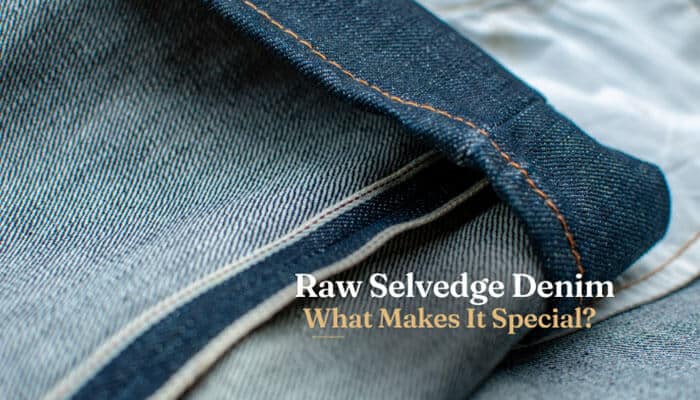
Raw selvedge denim is untreated denim that has not been washed after production. The jeans start stiff but gradually soften through regular wear.
Many denim fans prefer raw denim because:
- It creates natural fade patterns
- It reflects personal lifestyle
- It becomes more comfortable with time
- Every pair becomes unique
However, beginners may prefer one-wash selvedge jeans because they are easier to wear immediately.
How to Choose the Best Selvedge Denim Jeans in 2026
Before buying selvedge jeans, consider these important factors:
1. Check the Fabric Weight
Denim weight is measured in ounces (oz).
- 10–12 oz: Lightweight and comfortable
- 13–16 oz: Standard premium denim
- 17+ oz: Heavyweight and highly durable
2. Select the Right Fit
Popular fits include:
- Slim fit
- Straight fit
- Relaxed fit
- Tapered fit
A good fit improves comfort and helps the denim age better.
3. Consider the Denim Origin
Countries known for premium selvedge production include:
- Japan
- United States
- Italy
- United Kingdom
4. Look at Construction Quality
Check:
- Strong stitching
- Quality buttons
- Reinforced seams
- Durable pockets
Best Selvedge Denim Brands to Consider
Some respected brands known for premium denim craftsmanship include:
- Levi’s
- Iron Heart
- Nudie Jeans
- The Flat Head
- Pure Blue Japan
Each brand offers different fits, fabrics, and design approaches.
How to Care for Selvedge Denim
Proper care helps selvedge jeans last longer.
Recommended Care Tips
- Avoid frequent washing
- Wash with cold water
- Turn jeans inside out before washing
- Air dry instead of using a dryer
- Avoid harsh detergents
Many denim experts recommend washing only when necessary because frequent washing can reduce natural fading patterns.
Are Selvedge Jeans Worth Buying?
For people who want affordable everyday jeans, regular denim may be enough. However, selvedge denim is worth considering if you value:
- Long-lasting clothing
- Traditional craftsmanship
- Unique appearance
- Premium materials
- Sustainable purchasing
The higher price makes sense for buyers who plan to wear the same jeans for many years.
Final Thoughts
What Is Selvedge Denim comes down to craftsmanship, tradition, durability, and personal style. Unlike mass-produced jeans, selvedge denim offers a slower, more thoughtful approach to clothing production.
In 2026, as consumers focus more on quality and sustainable choices, selvedge denim continues to attract people who want jeans that improve with age. A good pair does not simply become worn out; it develops a story through every crease, fade, and movement.
For anyone looking for premium jeans that combine history, durability, and individuality, selvedge denim remains one of the best choices available.
What Is Selvedge Denim FAQs
1. What Is Selvedge Denim Made From?
Selvedge denim is mainly made from cotton woven on traditional shuttle looms. Some modern versions may include small amounts of stretch fibers.
2. Is Selvedge Denim Better Than Regular Denim?
Selvedge denim is usually made with more craftsmanship and attention to detail, but quality depends on the manufacturer and fabric.
3. Why Does Selvedge Denim Have a Red Line?
The red line is a traditional marker used on the finished edge of denim fabric. It helps identify the selvedge edge.
4. How Long Do Selvedge Jeans Last?
With proper care, high-quality selvedge jeans can last several years or even longer.
5. Should Beginners Buy Raw Selvedge Denim?
Beginners can try raw selvedge denim, but one-wash options are often easier because they feel softer from the beginning.
