


Suede shoes look stylish, feel soft, and add a premium touch to almost any outfit. However, keeping them clean can be challenging because suede attracts dust, absorbs moisture, and stains more easily than smooth leather. If you are wondering How to Clean Suede Shoes without ruining their soft texture, the good news is that you can remove many everyday stains at home with the right tools and gentle cleaning methods.
Unlike regular leather, suede has a delicate, fuzzy surface that requires special care. Using too much water, harsh detergents, or rough brushes can leave permanent marks or damage the material. Fortunately, you do not need expensive equipment to handle everyday dirt, light scuffs, or minor stains. A suede brush, clean eraser, and a few carefully chosen cleaning products can make a noticeable difference.
Learning How to Clean Suede Shoes properly can help extend their lifespan, restore their appearance, and reduce unnecessary spending on replacements. Whether you own suede sneakers, boots, loafers, or casual shoes, this guide explains safe cleaning techniques, stain-removal methods, common mistakes, and practical maintenance tips.
What Is Suede, and Why Does It Need Special Cleaning?
Suede is a type of leather made from the underside of animal hide. Unlike smooth leather, suede has a soft, brushed surface made of tiny fibers called the nap.
These fibers give suede its attractive texture but also make it more sensitive to dirt, oil, and moisture.
Suede requires special attention because:
- Dust and dirt can settle between its fibers
- Water may cause stains, stiffness, or discoloration
- Oil can penetrate the material and leave dark patches
- Excessive rubbing may damage the delicate surface
- Improper drying can change the shoe’s shape
The safest approach is to begin with dry cleaning and use moisture only when the shoe’s care instructions allow it.
What You Need to Clean Suede Shoes at Home
Before learning How to Clean Suede Shoes, gather the right supplies. Most items are affordable and easy to find.
| Cleaning tool | Purpose |
| Suede brush | Removes dust and lifts flattened fibers |
| Suede eraser | Removes light scuffs and surface marks |
| Microfiber cloth | Gently wipes away loose dirt |
| Cornstarch | Helps absorb fresh oil and grease |
| Suede-specific cleaner | Treats suitable stubborn stains |
| White paper or shoe trees | Helps maintain the shoe’s shape |
| Suede protector spray | Helps reduce future staining |
Important: Check the shoe manufacturer’s care label before cleaning. Some suede shoes contain dyes, adhesives, or finishes that react poorly to liquid cleaners.
How to Clean Suede Shoes: Step-by-Step Guide
The following method works well for many everyday suede shoes with light dirt, dust, and surface marks.
Step 1: Let Your Suede Shoes Dry Completely
Never start brushing suede while it is wet or muddy. Wet suede fibers are more vulnerable to damage, and brushing fresh mud can push dirt deeper into the material.
Follow these steps:
- Remove the shoes and place them in a ventilated room
- Stuff them loosely with clean white paper to help maintain their shape
- Allow them to dry naturally at room temperature
- Avoid heaters, hair dryers, and direct sunlight
- Begin cleaning only after the material feels completely dry
Drying may take several hours or longer, depending on how wet the shoes are.
Step 2: Remove Loose Dirt With a Suede Brush
A suede brush is one of the most useful tools for regular maintenance. Start with gentle strokes in the natural direction of the suede fibers.
Pay special attention to areas around the toe, heel, and sides, where dirt often collects.
Cleaning tips:
- Use light pressure
- Begin by brushing in one direction
- Avoid aggressive back-and-forth scrubbing
- Use a soft-bristle brush on delicate suede
- Clean the brush between heavily soiled areas
If the nap looks flattened, gently brush it to restore its texture.
Step 3: Remove Scuff Marks With a Suede Eraser
Scuff marks often appear when suede shoes rub against hard surfaces. A suede eraser can help remove light marks without soaking the material.
To use it:
- Identify the scuffed area
- Rub gently with a clean suede eraser
- Apply slightly more pressure only when necessary
- Brush away the eraser residue
- Check whether the mark has faded
Avoid rubbing the same spot repeatedly, as excessive friction can wear away the nap.
Step 4: Treat Stubborn Stains Carefully
If brushing and erasing do not work, use a suede-specific cleaning product approved for your shoes. Apply a small amount according to the product instructions, rather than soaking the affected area.
Always test the cleaner on a hidden section first and let the test area dry completely before proceeding.
For unknown stains, avoid experimenting with several household chemicals. Mixing cleaning methods can make discoloration worse.
Step 5: Restore the Suede Texture
- Once your shoes are completely dry and clean, use a suede brush to lift the nap
- Brush gently and evenly, following the direction of the fibers
- This helps improve the appearance of flattened areas and makes the finish look more consistent
- Remember that severely worn suede cannot always be restored to its original condition
How to Remove Different Stains From Suede Shoes
Knowing How to Clean Suede Shoes also means understanding that different stains require different treatments. Using the same method for every stain can make the problem worse.
How to Remove Water Stains From Suede Shoes
Water can leave dark patches or visible rings on suede, especially when the material dries unevenly.
For mild water marks:
- Allow the shoe to dry naturally
- Brush the affected area gently
- Check whether the mark remains
- If necessary, use a manufacturer-approved suede cleaner designed for water marks
- Allow the shoe to dry again before brushing
Some guides recommend dampening the entire affected panel to even out water marks. However, this technique can spread dyes or create new stains and is best avoided unless the manufacturer recommends it.
How to Remove Oil and Grease Stains
Oil stains are especially difficult because grease can penetrate suede fibers.
For a fresh stain:
- Blot excess oil gently with a clean, dry cloth
- Do not rub or spread the grease.
- Sprinkle a small amount of cornstarch over the stain
- Leave it for several hours or overnight
- Brush away the powder carefully
- Repeat if the stain becomes lighter but remains visible
Cornstarch may absorb some fresh oil, but it cannot guarantee complete removal. Older or deeply absorbed grease stains may require professional suede cleaning.
How to Remove Mud From Suede Shoes
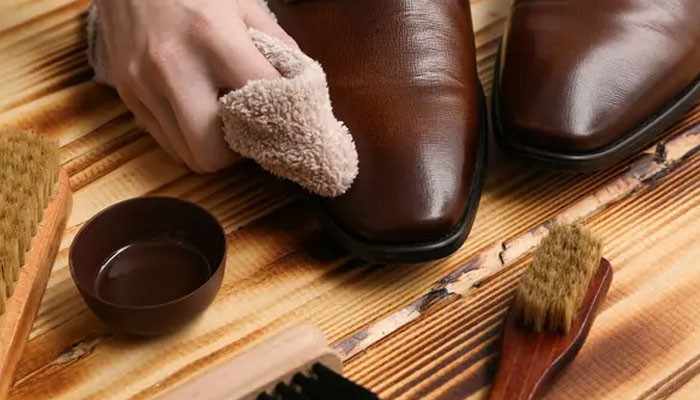
Mud should be allowed to dry completely before removal. Once dry, use a suede brush to loosen the hardened dirt.
Brush carefully until the surface is clean. A suede eraser may help with any remaining light marks. Avoid washing muddy suede under running water.
How to Remove Salt Stains From Suede Boots
Salt stains commonly appear on winter footwear after exposure to treated roads and sidewalks. Begin by brushing away loose salt and dirt once the boots are dry.
If white marks remain, use a suede-safe cleaner specifically intended for salt stains. Avoid applying vinegar or other acidic household products without manufacturer approval, as they may alter the color or finish.
How to Remove Ink Stains From Suede
Ink is one of the hardest substances to remove from suede because it can penetrate deeply. If the ink is fresh, carefully blot excess liquid without spreading it.
Do not use nail polish remover, bleach, or rubbing alcohol unless the manufacturer specifically recommends a suitable treatment. For noticeable ink stains, professional cleaning is usually the safer option.
How to Clean Suede Shoes Without a Suede Brush
You may want to know How to Clean Suede Shoes when you do not have specialized cleaning tools available. For light dust, a clean, dry microfiber cloth can be a temporary alternative.
Gently wipe the surface in the direction of the fibers. A clean, soft toothbrush may also help on some durable suede surfaces, but test it on a hidden area first. Its bristles can be too harsh for delicate suede.
For small surface scuffs, a plain, clean white eraser may work, although a dedicated suede eraser is preferable. Avoid colored erasers, stiff brushes, and abrasive household sponges.
Can You Clean Suede Shoes With Vinegar or Baking Soda?
Many online cleaning tutorials recommend white vinegar or baking soda for suede stains. However, these methods are not suitable for every suede finish.
White Vinegar
Diluted or undiluted vinegar is sometimes suggested for water and salt marks. However, vinegar can affect dyes, finishes, and the texture of certain suede materials.
It is safer to choose a cleaner designed for suede, especially for expensive or brightly colored shoes.
Baking Soda
Baking soda is often recommended for oil stains and unpleasant odors. Although it can absorb some moisture and oil, fine powder may become trapped in the nap and leave visible residue.
Cornstarch can be a more practical first option for fresh grease, but it should still be used cautiously.
Best practice: Avoid treating household remedies as universally safe. Always follow the manufacturer’s instructions and test any approved treatment in a hidden area.
Can You Wash Suede Shoes in a Washing Machine?
For most genuine suede shoes, the answer is no. Washing machines expose footwear to water, detergent, agitation, and repeated movement.
These conditions may:
- Cause discoloration or water marks
- Make suede feel stiff or rough
- Weaken adhesives
- Distort the shoe’s shape
- Damage decorative details or linings
Some shoes with synthetic suede or washable components have different care instructions. Always check the label before machine washing.
For genuine suede, gentle dry cleaning is usually the safest starting point.
How to Clean Different Types of Suede Shoes
The basic principles of How to Clean Suede Shoes apply to most styles, but the cleaning approach may vary depending on the shoe’s construction.
Suede Sneakers
- Suede sneakers often combine suede with mesh, rubber, or synthetic materials.
- Use a suede brush on the suede panels and clean other materials separately with suitable products.
- Avoid allowing sneaker-cleaning solutions to soak into the suede sections.
Suede Boots
- Boots are frequently exposed to mud, rain, and road salt.
- Allow wet boots to dry completely, then remove dirt with a suede brush.
- Use shoe trees or clean paper to help maintain their shape during drying.
Suede Loafers
- Suede loafers often feature delicate stitching and flexible construction.
- Use a soft brush and avoid applying excessive pressure around seams.
- Keep liquid cleaning products away from decorative stitching unless they are approved for the material.
Light-Colored Suede Shoes
- Beige, cream, and white suede can show dirt and discoloration more easily.
- Use clean brushes and erasers to avoid transferring dark residue.
- Spot-test every cleaner because color changes may be more noticeable on lighter suede.
Common Mistakes to Avoid When Cleaning Suede Shoes
Even when you understand How to Clean Suede Shoes, a few common mistakes can lead to permanent damage.
| Common mistake | Why it is harmful | Better approach |
| Using too much water | May create marks and stiffness | Start with dry cleaning |
| Scrubbing aggressively | Can wear down suede fibers | Brush gently |
| Using regular laundry detergent | May damage dyes or finishes | Use suede-specific products |
| Drying near direct heat | Can cause stiffness or deformation | Air-dry at room temperature |
| Cleaning wet mud | Can spread dirt deeper | Let mud dry first |
| Applying cleaners without testing | May cause discoloration | Test on a hidden area |
| Machine washing genuine suede | Can damage leather and adhesives | Follow manufacturer instructions |
How to Protect Suede Shoes After Cleaning
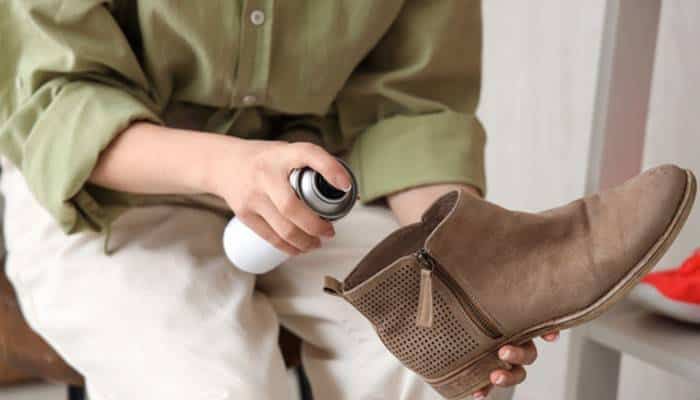
Cleaning removes existing dirt, but prevention helps keep shoes looking better for longer. After learning How to Clean Suede Shoes, consider adding these simple habits to your footwear routine.
Apply a Suede Protector Spray
A protector spray formulated for suede can help reduce moisture absorption and make some stains easier to remove.
Before applying:
- Make sure the shoes are clean and dry
- Test the spray on a hidden section
- Follow the product’s application instructions
- Spray in a well-ventilated area
- Allow the shoes to dry for the recommended period
Remember that protective sprays do not make suede completely waterproof.
Store Your Shoes Properly
- Keep suede shoes in a cool, dry location away from direct sunlight
- Use breathable storage bags instead of sealing damp shoes in plastic containers
- Shoe trees can help preserve the shape of frequently worn footwear
Brush Shoes Regularly
- Light brushing after wearing can prevent loose dirt from building up
- You do not need to deep-clean your shoes after every use
- A few gentle strokes with a clean suede brush may be enough for everyday maintenance
Avoid Wearing Suede in Heavy Rain
Suede can tolerate occasional light moisture depending on its treatment, but heavy rain and prolonged exposure increase the risk of staining and damage.
Choose more weather-resistant footwear when conditions are particularly wet.
How Often Should You Clean Suede Shoes?
The ideal cleaning frequency depends on how often you wear your shoes and the conditions they face.
| Usage | Suggested care |
| Daily wear | Inspect after use and brush when dusty |
| Occasional wear | Brush before storage when needed |
| After muddy conditions | Dry fully, then remove dirt |
| After a spill | Treat promptly using a suitable method |
| Long-term storage | Clean and dry before putting away |
These are practical maintenance guidelines rather than strict cleaning schedules. Cleaning too frequently or too aggressively can also wear down suede fibers.
When Should You Take Suede Shoes to a Professional?
Home cleaning is suitable for many minor stains, but some situations require specialist care. Consider a professional suede or leather cleaner when:
- Oil or ink has penetrated deeply
- The shoes have widespread discoloration
- Mold is visible or suspected
- The suede has become unusually stiff
- The shoes are expensive or have delicate finishes
- Previous cleaning attempts have made the stain worse
Professional treatment may improve the appearance, but not every stain or damaged area can be fully restored.
Conclusion
Understanding How to Clean Suede Shoes is essential for keeping your favorite footwear attractive, comfortable, and in good condition. The most important rule is to treat suede gently. Start with dry brushing, use a suede eraser for minor marks, and choose suitable cleaning products for stubborn stains.
Regular maintenance, careful storage, and proper protection can reduce dirt buildup and help your shoes last longer. Avoid harsh detergents, excessive water, direct heat, and aggressive scrubbing. Whether you are cleaning suede sneakers, boots, or loafers, following these simple steps can help preserve their soft texture and appearance without unnecessary damage.
How to Clean Suede Shoes FAQs
1. What is the safest way to clean suede shoes at home?
The safest starting method is to let the shoes dry, remove loose dirt with a soft suede brush, and use a suede eraser for light scuffs. Follow the manufacturer’s care instructions for stubborn stains.
2. Can I clean suede shoes with water?
Water should be used cautiously because it can leave marks, change the texture, or affect dyes. Some suede-specific cleaners require controlled moisture, but soaking genuine suede shoes is generally not recommended.
3. How do I clean suede shoes without damaging their texture?
Use gentle brushing, avoid excessive moisture, and test cleaning products before applying them. Let the shoes dry naturally and gently lift the nap with a suede brush afterward.
4. Can baking soda remove stains from suede shoes?
Baking soda may absorb some oil, but it can leave powder trapped in suede fibers. A suede-specific product or cautious use of cornstarch on fresh grease is often a more suitable option.
5. How can I make old suede shoes look new again?
Start by removing dust, treating suitable surface marks, and restoring flattened fibers with a suede brush. Protector spray may help reduce future staining. Deep discoloration and worn-away fibers may not be fully reversible.
6. Can I use a toothbrush to clean suede shoes?
A clean, soft toothbrush may work for light dirt on some suede surfaces. However, a dedicated suede brush is safer because ordinary toothbrush bristles can damage delicate fibers.
7. How long do suede shoes take to dry after cleaning?
Drying time depends on moisture, room temperature, ventilation, and shoe construction. Lightly damp suede may dry within several hours, while wetter shoes can take 24 hours or longer. Never force-dry them with heat.
8. What should I do if my suede shoes get wet in the rain?
Gently blot excess moisture, insert clean white paper or suitable shoe trees, and allow the shoes to air-dry at room temperature. Once dry, brush the nap gently and assess any remaining water marks.
