
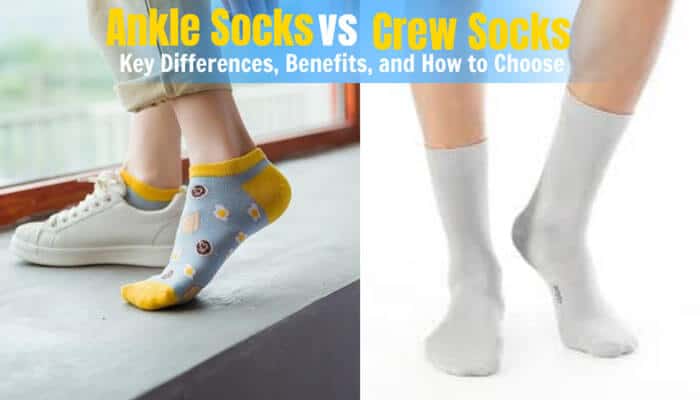

Picking the right pair of socks sounds like a small thing. But if you have ever finished a run with a blister, felt your socks slide into your shoes, or shivered because your ankles were bare in winter, you already know that socks matter more than people think. The debate of ankle socks vs crew socks comes up all the time, whether you are shopping for gym wear, office outfits, or everyday comfort.
This guide breaks down ankle socks vs crew socks in the simplest way possible. You will learn what each sock type is, how they are different, when to wear which one, and how to make the right choice for your feet, your outfit, and your activity. No confusing fashion jargon here just clear, honest, easy-to-follow information.
By the end of this article, you will not need to search “ankle socks vs crew socks” again. You will know exactly which sock fits your lifestyle, your shoes, and your comfort needs, whether you are a runner, a student, an office worker, or someone who just wants their feet to feel good all day.
What Are Ankle Socks?
Ankle socks are short socks that stop right around or just above your ankle bone. They sit below where your leg starts to widen, which is why they are so popular with sneakers, loafers, and low-cut shoes.
Key features of ankle socks:
- Length: Usually 2 to 4 inches above the shoe opening
- Visibility: Barely visible or completely hidden under pants
- Best for: Casual wear, gym sessions, warm weather, sneakers
- Feel: Light, breathable, and less bulky
People often choose ankle socks because they keep the leg looking clean and sneaker-friendly, especially with jeans, shorts, or athletic wear.
What Are Crew Socks?
Crew socks are longer socks that reach up to mid-calf, usually a few inches above the ankle bone. This is the classic “school sock” or “sports sock” length that most people grew up wearing.
Key features of crew socks:
- Length: Mid-calf, roughly 6 to 8 inches above the ankle
- Visibility: Clearly visible, often part of the outfit’s look
- Best for: Cold weather, boots, hiking, formal shoes, sports like basketball or soccer
- Feel: More coverage, extra warmth, added cushioning in many designs
Crew socks are the go-to choice when you need extra protection for your ankles and lower calf, especially during outdoor activities or colder months.
Where Ankle and Crew Socks Fit in the Sock Length Family
People often get confused because there are more sock lengths than just these two. Here’s how ankle socks and crew socks compare to their close cousins:
| Sock Type | Length | Common Use |
| No-Show Socks | Hidden below the shoe line | Loafers, flats, and boat shoes |
| Ankle Socks | Ends at or just above the ankle bone | Sneakers and casual wear |
| Quarter Socks | Slightly higher than ankle socks | Light workouts and casual sneakers |
| Crew Socks | Reaches the middle of the calf | Sports, boots, and formal shoes |
| Knee-High Socks | Ends just below the knee | Cold weather, medical support, and compression use |
Understanding this chart helps explain why the ankle socks vs crew socks comparison is really about two very different levels of coverage, not just a small style difference.
Ankle Socks vs Crew Socks: Key Differences
Here is a simple side-by-side comparison to make the ankle socks vs crew socks decision easier:
| Feature | Ankle Socks | Crew Socks |
| Length | Ends at or just above the ankle | Reaches mid-calf |
| Visibility | Mostly hidden | Usually visible |
| Warmth | Provides less warmth | Provides more warmth |
| Best Shoe Type | Sneakers, loafers, and strapped sandals | Boots, hiking shoes, and sports cleats |
| Best Season | Spring and summer | Fall and winter |
| Common Use | Casual wear, gym sessions, and daily activities | Sports, outdoor activities, and formal wear |
| Ankle Protection | Minimal protection | Better coverage and cushioning |
| Style Impression | Clean and minimal look | Sporty or classic look |
This table alone answers most of the “ankle socks vs crew socks” questions people search for, but let’s go deeper into why each one matters.
Best Materials for Ankle Socks and Crew Socks
The fabric matters just as much as the length. Here’s what to look for in both:
- Cotton blends: Soft and breathable, good for everyday ankle socks in warm weather.
- Merino wool: Excellent for crew socks in winter since it keeps feet warm even when slightly damp.
- Polyester and nylon blends: Common in athletic ankle and crew socks because they dry fast and resist odor.
- Spandex or elastane: Added for stretch, helping both sock types hold their shape and stay in place.
- Bamboo fabric: A newer, eco-friendly option known for being soft and naturally moisture-wicking.
If you sweat a lot or exercise often, look for moisture-wicking materials in both ankle socks and crew socks, since damp fabric is the biggest cause of blisters and bad odor.
Benefits of Ankle Socks
Ankle socks are not just about looks. They offer real, practical advantages:
- Breathability: Less fabric means your feet stay cooler in hot weather.
- Lightweight feel: Great for people who dislike bulky socks under shoes.
- Sneaker-friendly: Keeps your ankles bare for a modern, no-show look.
- Great for workouts: Popular in gyms because they reduce sweat buildup around the ankle.
- Versatile styling: Works well with shorts, capris, cropped jeans, and skirts.
If your daily routine involves sneakers, warm weather, or casual outfits, ankle socks are usually the more comfortable and practical option.
Benefits of Crew Socks
Crew socks bring a different set of strengths to the table:
- Extra warmth: Ideal for cold mornings, winter boots, and outdoor activities.
- Ankle and shin protection: Reduces friction from boots, hiking shoes, or sports gear.
- Better cushioning: Many crew socks have extra padding, which helps during long walks or workouts.
- Prevents blisters: More fabric coverage means less rubbing against the shoe.
- Classic, reliable style: Works well for formal shoes, uniforms, and sports teams.
If you spend time outdoors, play sports, or wear boots often, crew socks generally offer better protection and comfort.
Ankle Socks vs Crew Socks for Sweaty Feet and Odor Control
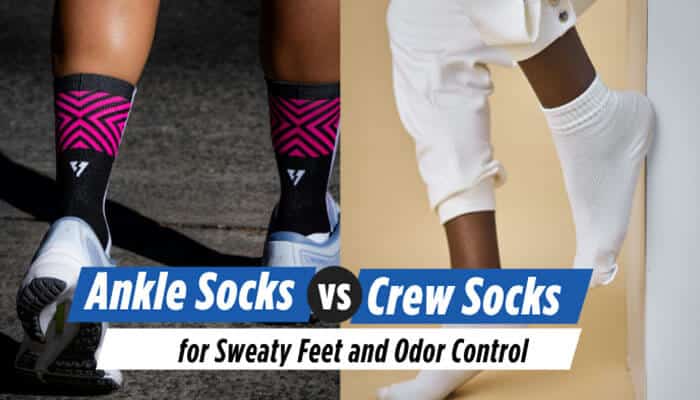
This is one detail people often forget when comparing ankle socks vs crew socks. Since crew socks cover more skin, they can trap more heat and moisture if the fabric isn’t breathable. Ankle socks, with less coverage, tend to let feet breathe more freely.
Tips for managing sweat and odor with either sock type:
- Choose moisture-wicking materials like polyester blends or merino wool.
- Avoid 100% cotton for workouts, since cotton holds onto moisture instead of pulling it away.
- Change socks daily, and more than once a day if you sweat heavily.
- Let shoes air out between wears so socks don’t reabsorb moisture.
How to Choose the Right Sock Size
A common mistake is picking socks based only on shoe size. Sock sizing usually goes by shoe size range instead of exact numbers, both for ankle socks and crew socks. Here’s a general guide:
| Shoe Size (US) | Common Sock Size Label |
| 4–7 | Small |
| 7–10 | Medium |
| 10–13 | Large |
| 13+ | Extra Large |
A poor fit can cause bunching, slipping, or blisters, no matter which length you choose. If a sock feels too tight around the top band, it can also restrict blood flow, especially with crew socks worn for long hours.
Ankle Socks vs Crew Socks: Which One Fits Your Activity?
Different activities call for different sock choices. Here is a quick and practical breakdown:
Running or Jogging
Ankle socks are usually preferred because they are lightweight and stay hidden under running shoes. However, some runners choose crew socks for extra ankle support on trails.
Gym Workouts
Ankle socks work well for treadmill or weight training. Crew socks are better if you’re doing outdoor training or need shin protection.
Basketball or Soccer
Crew socks are the standard choice here. They protect the ankle and lower leg from impact and friction.
Hiking
Crew socks are strongly recommended. They protect against dirt, insects, and rubbing from hiking boots.
Office or Formal Wear
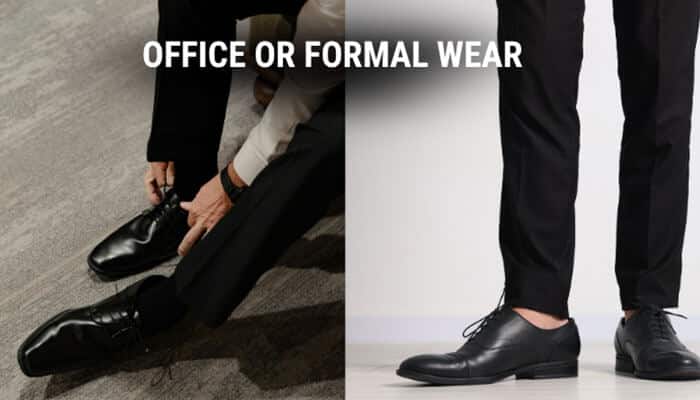
Crew socks are the safer choice with formal trousers and dress shoes, since ankle socks can look out of place when you sit down and your pants ride up.
Casual Everyday Wear
Ankle socks are the more popular pick with jeans, sneakers, and warm-weather outfits.
How to Choose Between Ankle Socks and Crew Socks
When deciding between ankle socks vs crew socks, ask yourself these simple questions:
- What shoes will I wear them with? Sneakers and loafers usually pair better with ankle socks, while boots and formal shoes pair better with crew socks.
- What’s the weather like? Choose ankle socks for warm weather and crew socks for cold weather.
- Do I need extra ankle protection? If you’re hiking, playing sports, or walking long distances, crew socks offer more cushioning.
- What look am I going for? Ankle socks give a clean, minimal look. Crew socks give a sportier or more classic appearance.
- Will I be sitting a lot? If you wear formal pants and sit often, crew socks prevent your ankles from showing.
There is no single “better” option in the ankle socks vs crew socks debate. The right choice depends entirely on your shoes, your activity, and your comfort needs.
How to Care for Your Socks and Make Them Last Longer
Whether you choose ankle socks or crew socks, proper care keeps them in good shape for longer:
- Wash in cold or warm water instead of hot, since heat breaks down elastic fibers.
- Turn socks inside out before washing to protect the outer fabric.
- Avoid fabric softener on athletic socks, as it can reduce moisture-wicking ability.
- Air dry when possible, since high heat from dryers can shrink or weaken elastic.
- Replace socks once the heel or toe area becomes thin, since that’s when blisters become more likely.
Common Mistakes People Make When Choosing Socks
- Wearing ankle socks with boots: This often leads to blisters since there’s no cushioning around the ankle.
- Wearing crew socks with low-cut sneakers: This can look mismatched and feel unnecessarily warm.
- Choosing socks based on looks alone: Comfort and activity should come first, especially for workouts or long walks.
- Ignoring fabric quality: Cotton blends breathe better, while synthetic blends often manage moisture better during workouts.
Final Thoughts
The debate between ankle socks vs crew socks isn’t about which one is universally better; it’s about which one matches your shoes, your activity, and the weather you’re dealing with. Ankle socks are perfect for casual, warm-weather, sneaker-friendly days. Crew socks shine when you need warmth, protection, and support for sports, hiking, or formal wear.
The smartest approach is to keep both in your sock drawer. That way, whether you’re heading to the gym, hitting the trail, or dressing up for work, you’ll always have the right pair ready to go.
Ankle Socks vs Crew Socks FAQs
1. Are ankle socks or crew socks better for running?
Most runners prefer ankle socks for their light, breathable feel, but crew socks can offer better ankle support on rough trails.
2. Do crew socks keep your feet warmer than ankle socks?
Yes. Because crew socks cover more of the leg, they naturally provide more warmth, especially in cold weather.
3. Can I wear ankle socks with boots?
It’s not recommended. Ankle socks don’t offer enough coverage, which can cause rubbing and blisters inside boots.
4. Which is more popular, ankle socks or crew socks?
Ankle socks are more popular for daily casual wear, especially with sneakers, while crew socks remain popular for sports, outdoor activities, and colder seasons.
5. Do ankle socks or crew socks last longer?
Durability mostly depends on fabric quality rather than length. However, crew socks often have reinforced heels and toes due to their sportswear use, which can add to their lifespan.
