


Shih Tzu Puppies are adorable little dogs known for their soft coats, round eyes, and loving personalities. Their friendly nature and playful behavior make them popular among families, couples, and first-time dog owners. However, these small dogs need proper grooming, healthy food, regular exercise, and plenty of attention to grow into happy adults.
Taking care of Shih Tzu Puppies may seem challenging, especially when it comes to maintaining their beautiful coats. Their long hair can become tangled without regular brushing, while their short noses and prominent eyes require special attention. Understanding their grooming needs, choosing comfortable hairstyles, and following a daily care routine can help prevent common problems.
Whether you recently adopted a Shih Tzu or are planning to bring one home, learning the basics of puppy care is important. This guide covers everything from grooming techniques and popular haircuts to feeding, training, health problems, and everyday care tips. With the right approach, you can keep your little companion healthy, comfortable, and looking its best.
What Are Shih Tzu Puppies?
Shih Tzus are small companion dogs with a long history associated with Tibet and Chinese royal households. Their name is often translated as “little lion,” although their personalities are generally gentle and affectionate.
These dogs are known for their long, flowing coats, compact bodies, and friendly expressions. They enjoy spending time with people and can adapt well to apartment living.
Unlike larger working breeds, Shih Tzus usually need moderate exercise. However, they still require daily playtime, mental stimulation, and consistent training.
Shih Tzu Breed Characteristics
| Characteristics | Details |
| Breed | Shih Tzu |
| Origin | Tibet and China |
| Adult weight | 9–16 pounds |
| Adult height | 9–10.5 inches |
| Life expectancy | Approximately 10–18 years |
| Coat type | Long, dense double coat |
| Personality | Affectionate, friendly, playful |
| Exercise needs | Moderate |
| Grooming needs | High |
| Suitable for | Families, apartments, companion-dog owners |
Understanding these characteristics helps owners prepare for the responsibilities of raising a Shih Tzu.
How to Groom Shih Tzu Puppies Properly
Grooming is one of the most important responsibilities of owning Shih Tzu Puppies. Their coats need regular attention to prevent tangles, dirt buildup, and uncomfortable mats.
A consistent grooming routine also allows owners to notice skin irritation, unusual lumps, or other health concerns early.
1. Brush Your Shih Tzu Puppy Regularly
Brushing helps keep the coat clean, smooth, and free from knots. Long-haired Shih Tzus usually benefit from daily brushing. Shorter hairstyles may require less frequent brushing, but regular coat checks remain important.
Follow these brushing tips:
- Choose a gentle slicker brush or pin brush.
- Brush slowly in the direction of hair growth.
- Pay attention to the ears, legs, belly, and tail.
- Use a metal comb to find hidden tangles.
- Apply a dog-safe detangling spray when necessary.
- Reward your puppy for staying calm.
Avoid pulling tangled hair because it can hurt your puppy’s skin. Severe mats should be removed by a professional groomer.
2. Bathe Your Puppy With Gentle Shampoo
Regular bathing helps remove dirt and keeps the coat fresh. Most Shih Tzus benefit from a bath approximately every three to four weeks, although the schedule depends on their activity level and skin condition.
Steps for bathing your puppy:
- Brush the coat before bathing.
- Use lukewarm water.
- Apply a mild shampoo designed for puppies.
- Gently massage the coat without rubbing harshly.
- Rinse thoroughly.
- Dry with a soft towel and a low-temperature dryer if tolerated.
Avoid using human shampoo because it may irritate your puppy’s skin.
3. Clean the Eyes and Face
Shih Tzus have prominent eyes and facial hair that can collect moisture, food particles, and debris. Gently clean the area around the eyes using a soft, damp cloth. Keep facial hair away from the eyes to reduce irritation.
If your puppy develops persistent redness, squinting, cloudy eyes, or unusual discharge, contact a veterinarian promptly.
4. Trim Nails and Check Ears
Long nails can make walking uncomfortable and may affect normal movement. Check your puppy’s nails regularly and trim them when necessary, often every two to four weeks.
Inspect the ears weekly for redness, unpleasant odors, or discharge. Use only veterinarian-recommended cleaning products, and avoid inserting cotton swabs deep into the ear canal.
Best Hairstyles for Shih Tzu Puppies
Choosing the right hairstyle can make grooming easier while keeping your puppy comfortable. Some owners prefer short, practical haircuts, while others enjoy the traditional long-haired appearance.
Here are five popular Shih Tzu hairstyles.
1. Puppy Cut
The puppy cut is one of the most practical hairstyles for Shih Tzus. It involves trimming the hair to a relatively short, even length across the body. This reduces tangling and makes regular grooming easier.
Benefits of the puppy cut:
- Easier daily coat maintenance.
- Less hair collecting dirt.
- Fewer tangles when brushed regularly.
- Comfortable for active puppies.
This hairstyle is especially useful for first-time owners who want a manageable grooming routine.
2. Teddy Bear Cut
The teddy bear cut gives Shih Tzus a soft, rounded appearance.
The groomer trims the body coat while leaving the facial hair slightly fuller to create a fluffy look.
This hairstyle is popular because it combines an adorable appearance with practical coat maintenance. However, the rounded facial hair must be kept away from the eyes.
3. Top Knot Hairstyle
The top knot is a traditional hairstyle often seen on long-haired Shih Tzus. The hair above the forehead is gently gathered and secured to keep it away from the eyes.
Use a soft, comfortable hair band that does not pull tightly on the skin. This hairstyle requires regular brushing because the surrounding hair remains relatively long.
4. Summer Cut
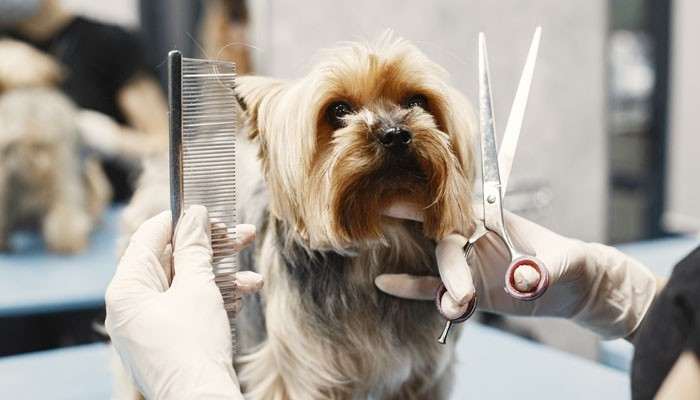
A summer cut keeps the body coat shorter, making grooming easier during warmer months. However, cutting the hair short does not prevent heatstroke. Shih Tzus are short-nosed dogs and may struggle in hot or humid weather.
Owners should provide shade, fresh water, and a cool environment regardless of hairstyle. Avoid shaving extremely close to the skin unless a professional recommends it for a specific reason.
5. Long Coat Hairstyle
The long coat is the traditional Shih Tzu appearance. The hair is allowed to grow naturally, sometimes reaching the floor.
Although this hairstyle looks elegant, it requires careful daily brushing, regular bathing, and professional grooming.
It is generally better suited to owners who have enough time for detailed coat maintenance.
How Often Should Shih Tzu Puppies Be Groomed?
A regular schedule helps maintain healthy skin, a comfortable coat, and good hygiene.
| Grooming activity | Recommended frequency |
| Coat brushing | Daily for long coats |
| Face cleaning | Check daily; clean when needed |
| Bathing | Every 3–4 weeks |
| Nail trimming | Check every 2–4 weeks |
| Ear inspection | Weekly |
| Toothbrushing | Ideally daily |
| Professional grooming | Approximately every 4–8 weeks |
These are general recommendations. Your puppy’s coat length, health, and lifestyle may require adjustments.
Essential Care Tips for Shih Tzu Puppies
Proper care goes beyond grooming. Shih Tzu Puppies also need nutritious food, comfortable surroundings, daily activity, and regular veterinary attention.
Provide Healthy and Balanced Food
Good nutrition supports healthy growth, strong bones, and normal coat development. Choose a complete and balanced puppy food suitable for small breeds.
Young puppies often need three or four smaller meals throughout the day. The number of meals and portion sizes should be adjusted according to age, body condition, and veterinary advice.
Important feeding tips:
- Provide fresh drinking water
- Choose age-appropriate puppy food
- Follow feeding guidelines without overfeeding
- Limit treats and table scraps
- Avoid toxic foods such as chocolate, grapes, raisins, and onions
If your puppy has difficulty eating or experiences repeated vomiting or diarrhea, consult a veterinarian.
Encourage Regular Exercise
Although Shih Tzus are small, they still need daily physical activity. Short walks, indoor games, and gentle play sessions can help maintain healthy muscles and prevent boredom.
Avoid long walks in extreme heat, particularly because the breed’s short muzzle can make breathing and cooling more difficult.
Create a Comfortable Sleeping Space
Puppies need plenty of rest while growing. Provide a clean, comfortable bed in a quiet, well-ventilated area.
Keep the sleeping space away from extreme temperatures and household hazards. A regular sleeping routine can help your puppy feel safe and settle more easily at night.
Schedule Regular Veterinary Visits
Veterinary care is essential during the first year of life. Your veterinarian can recommend appropriate vaccination schedules, parasite prevention, nutritional guidance, and health checks.
Regular visits also help identify breed-related problems before they become more serious.
How to Train Shih Tzu Puppies at Home
Training should begin early and focus on building positive habits. Shih Tzus can learn basic commands successfully, although some may be independent and need extra patience.
Teach Basic Commands
- Start with simple commands such as sit, stay, come, and leave it.
- Keep training sessions short and enjoyable.
- Reward successful behavior using praise, toys, or small treats.
- Positive reinforcement is generally more effective than punishment.
Start Toilet Training Early
- Toilet training requires consistency
- Take your puppy to the designated toilet area after waking up, eating, and playing
- Reward successful toilet breaks immediately
- Accidents are normal while puppies develop bladder control. Clean the area properly and continue following a consistent routine
Introduce Socialization Gradually
Socialization helps puppies become comfortable around different people, sounds, environments, and other animals. Introduce new experiences gently without forcing interactions.
Ask your veterinarian about safe socialization opportunities before your puppy completes its vaccinations.
Common Health Problems in Shih Tzu Puppies
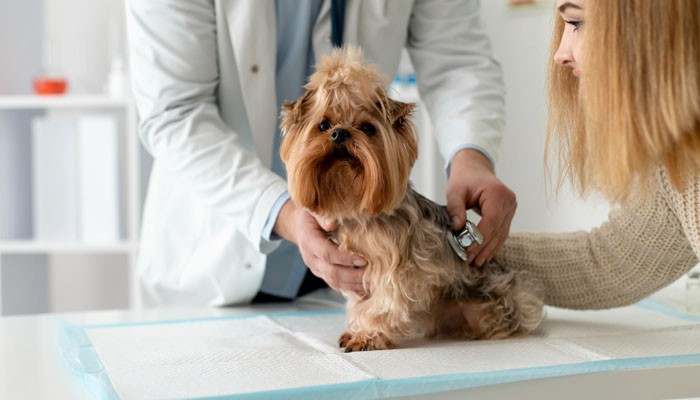
Although Shih Tzus can live healthy lives, the breed is more likely to experience certain health conditions. Knowing the warning signs helps owners seek veterinary treatment when necessary.
Breathing Problems
Shih Tzus have short muzzles, which can increase the risk of brachycephalic obstructive airway syndrome. Affected dogs may experience noisy breathing, exercise intolerance, or difficulty cooling themselves.
Severe breathing difficulty, collapse, or blue-colored gums requires emergency veterinary care.
Eye Infections and Injuries
Their prominent eyes make Shih Tzus vulnerable to irritation and injuries.
Possible warning signs include:
- Redness or swelling.
- Excessive tearing.
- Squinting.
- Cloudiness.
- Unusual discharge.
Seek prompt veterinary advice if these symptoms appear.
Dental Problems
Small dogs often have crowded teeth, increasing the risk of plaque buildup and gum disease. Start gentle toothbrushing early using dog-safe toothpaste.
Regular dental examinations can help maintain healthy teeth and gums.
Patellar Luxation
- Patellar luxation occurs when the kneecap moves out of its normal position.
- Some affected dogs may limp, skip while walking, or temporarily hold up a back leg.
- A veterinarian can assess the problem and recommend appropriate care.
How to Choose a Healthy Shih Tzu Puppy
Before adopting or purchasing Shih Tzu Puppies, take time to research the breeder or rescue organization.
A responsible breeder should provide clear information about the puppy’s health, parents, and living conditions.
Look for these signs:
- Clear vaccination and deworming records.
- A clean and safe living environment.
- Healthy, alert puppies.
- Appropriate health testing of breeding dogs.
- Transparent information about the puppy’s background.
- Willingness to answer questions about long-term care.
Avoid sellers who pressure you into buying immediately or refuse to provide health records.
A puppy should generally remain with its mother and littermates until at least eight weeks old, subject to local laws and veterinary recommendations.
Common Mistakes to Avoid When Raising Shih Tzu Puppies
New owners sometimes make mistakes without realizing how they affect their puppy’s comfort and health.
Avoid these common problems:
- Ignoring coat maintenance: Tangled hair can become painful mats
- Using human grooming products: These may irritate sensitive skin
- Overfeeding: Excess weight can contribute to joint and health problems
- Skipping dental care: Poor oral hygiene increases the risk of dental disease
- Overexercising in hot weather: Shih Tzus may struggle to regulate body temperature
- Using harsh training methods: Punishment can increase fear and reduce trust
- Missing veterinary appointments: Preventive care supports healthy development
Developing good habits early makes long-term puppy care much easier.
Conclusion
Shih Tzu Puppies make wonderful companions because of their affectionate personalities, playful behavior, and charming appearance. However, keeping them healthy requires consistent grooming, proper nutrition, regular exercise, and preventive healthcare.
Choosing a manageable hairstyle, brushing regularly, maintaining dental hygiene, and providing positive training can make everyday care easier. Paying attention to breathing difficulties, eye problems, and other breed-related health concerns is equally important.
With patience, love, and a consistent care routine, Shih Tzu Puppies can grow into happy, healthy dogs that bring companionship and joy to their families.
Shih Tzu Puppies FAQs
1. Are Shih Tzu Puppies easy to take care of?
Shih Tzus are affectionate and adaptable, but their grooming needs can be demanding. Regular brushing, proper feeding, training, and veterinary care are necessary.
2. What is the best haircut for a Shih Tzu puppy?
The puppy cut is a practical choice because it keeps the coat shorter and easier to maintain. The teddy bear cut is another popular option.
3. How often should Shih Tzu Puppies take a bath?
Most benefit from bathing approximately every three to four weeks. Puppies with skin conditions may need a different schedule recommended by a veterinarian.
4. Do Shih Tzu Puppies shed a lot?
Shih Tzus generally shed less visibly than many breeds. However, they still lose hair and need regular brushing to prevent tangles. No dog breed is completely hypoallergenic.
5. Can Shih Tzu Puppies live in apartments?
Yes. Their small size and moderate exercise requirements make them suitable for apartment living when they receive enough playtime, training, and companionship.
6. When should a Shih Tzu puppy get its first haircut?
Gentle grooming introductions can begin early. The first full haircut depends on coat growth, the puppy’s comfort, and professional grooming advice.
7. How long do Shih Tzus live?
Shih Tzus commonly live around 10–18 years. Genetics, nutrition, preventive healthcare, and overall lifestyle influence their lifespan.
