

Introduction
Gen Z isn’t “the next big thing” anymore—it’s the driving force of the fashion industry in the United States. Comprising those born from 1997 to 2012, Gen Z consumers are digital natives, quick trend adopters, and value-oriented shoppers who are redefining brand consumption to include expression, authenticity, and community. By 2026, Gen Z fashion brands in the USA are more than just selling clothing—they’re shaping digital-first experiences, building loyal communities, sharing compelling narratives, and influencing lifestyle cultures well beyond apparel.
In this comprehensive article, you’ll discover the leading Gen Z fashion brands in the USA, learn what today’s Gen Z shoppers want, delve into the top style trends, and understand how social media continues to influence fashion trends. Whether you’re a fashion business owner, a marketer, a content creator, or a fashion enthusiast, this article provides insight into the essence of Gen Z style right now—and into the future.
Why Gen Z Fashion Brands Are Dominating the US Market
1. Digital-First Shopping Behavior
Gen Z grew up with smartphones, social networks and online shopping. TikTok, Instagram, YouTube and Pinterest are among the main sources for motivation and fashion inspiration. Short form marketing videos, on-demand collaborations and live video content bring more success than classic advertising.
2. Value-Driven Purchasing Decisions
Gen Z consumers, values such as production ethics, transparency and corporate activism are integral. Brands that communicate extensively about their sustainability initiatives, labor ethics and diversity efforts appeal to them.
3. Fast Trend Cycles
In the world of micro-trends—like coquette aesthetic, blokecore, Y2K revival, and quiet luxury—trends can appear and disappear within weeks. Fast-changing trend cycles are marketplace advantages for brands.
4. Community-Centered Brand Loyalty
Instead of indiscriminant loyalty to brands, the new generation tends to create emotional connection to brands through building up community and user-generated content moderation.
Key Characteristics of Gen Z Fashion Consumers
1. Brandy Melville
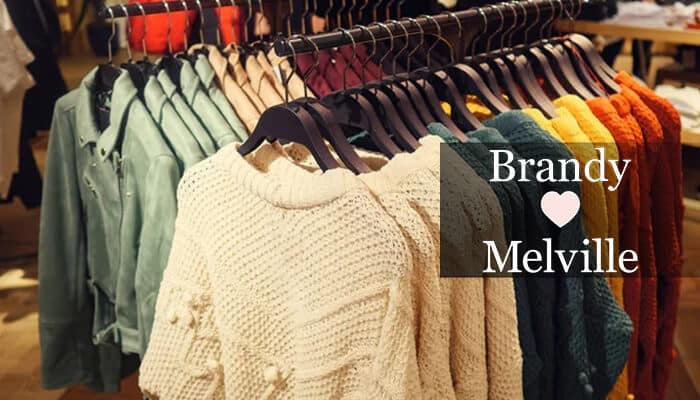
Brandy Melville is a youth fashion brand with worldwide reach, renowned for its branding as having a signature California-inspired, minimal, trend-driven casual wear aesthetic. Originating from Europe, the brand also amassed a huge following in America by resonating with Gen Z shoppers, primarily college students and teenagers.
Brandy Melville creates uncomplicated everyday clothing with a “laid back” aesthetic within a recognizable visual identity, everything in the collection working cohesively. The biggest selling point of the brand is the exposure via social media channels, followed by the influence of bloggers.
Key Highlights
- Recognized for minimalist, California feel
- Strong following with teens & college age
- Brand culture built strongly on both online and in-store presence
Popular Products
- Graphic baby tees
- Ribbed crop tops
- Oversized hoodies
- Cargo pants
Brand Strengths
Brandy Melville’s aesthetic uniformity and identifiable style identity appeal to customers from the Gen Z demographic, who value low effort wears for everyday fashion. The brand’s unified store experience and robust presence on social media platforms bolster aspirational image. Furthermore, Brandy Melville’s strategy for limited range of products, which helps keep things trendy and exclusive.
2. Urban Outfitters
Urban Outfitters is a premier American lifestyle retail brand that combines urban streetwear meets vintage apparel with a heavily influenced youth consumer appeal. Established in America, Urban Outfitters has become a cult fashion shop to a demographic of both guiding and heritage Millennial and Gen Z consumers. Urban Outfitters stores offer a highly curated collection of clothing, accessories, furniture and home décor. The brand is known for its ever-current and cutting-edge apparel while boasting a fresh and culturally relevant image, often drawing inspiration from music, art and social issues. With a strong digital presence and immersive in-store experiences, the brand continues to position itself as a cultural hub rather than just a traditional fashion retailer.
Key Highlights
- Lifestyle oriented fashion retailer
- Is a fusion of contemporary streetwear with vintage-inspired collections
- Has a strong private label offering
Popular Products
- Baggy denim
- Crochet tops
- Statement jackets
- Platform footwear
Brand Strengths
Urban Outfitters manages to combine elements of retail, music, and sociality, establishing it as a lifestyle brand rather than a clothing store. The shopping experience, combined with constant collaborations, maintain cultural relevance while the comprehensive integration across channels allows it to continue to connect with customers.
3. Aelfric Eden
Aelfric Eden is a very popular streetwear label with Gen Z consumers due to its eye-catching graphics, oversized fits, and fun design language. The brand is known for capturing modern street culture and storytelling through illustration styling, anime aesthetic, and some experimental fashion touches. Aelfric Eden’s success results from TikTok and Instagram exposure, where visually impactful outfits trend well in short video content. With affordable prices and an activewear focus, the brand has also became a purchased by young consumers looking for stand-out designs.
Key Highlights
- Graphic-heavy streetwear brand
- Popular on TikTok and Instagram
- Focus on oversized silhouettes
Popular Products
- Cartoon hoodies
- Patchwork sweaters
- Street-style jackets
Brand Strengths
Aelfric Eden taps into the Gen Z desire for self-expressive, bold fashion statements. Its visually bold aesthetics translate clearly on short-form video channels, while the competitive price points and rapid trend responsiveness make it attractive to young consumers.
4. PacSun
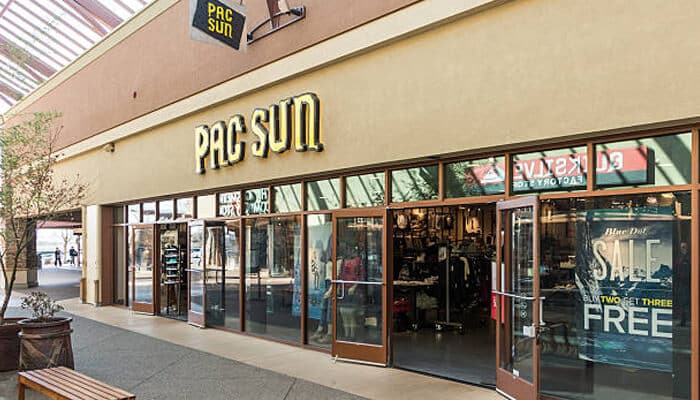
PacSun (Pacific Sunwear) is an iconic American retail brand rooted in West Coast streetwear, surf and skater culture, catering to a youth market. With a focus on current street trends and pop culture, the brand has developed a loyal following among Gen Z consumers by constantly updating its product offerings to reflect contemporary lifestyle brands and niche streetwear trends. By combining owned private label brands with selected American and international streetwear staples, PacSun responds to the trend conscious consumer while remaining a familiar to the brand’s core audience. The retailer invests heavily in influencer collaborations, social media marketing and cultural sponsorships to reinforce its position as a relevant, Trend relevant retailer.
Key Highlights
- West Coast streetwear influence
- Youth culture alignment
- Collaborative brand drops
Popular Products
- Baggy jeans
- Flannel shirts
- Graphic tees
Brand Strengths
PacSun remains current by collaborating with fashion designers and social influencers that are on the rise. PacSun’s strongly defined base in streetwear holds appeal amongst the younger culture. It has a highly adaptable merchandising strategy allowing it to quickly adjust to trends.
5. Dolls Kill
Dolls Kill is a digitally native fashion retailer known for its bold, alternative, and festival-inspired aesthetic that strongly resonates with Gen Z’s self-expression culture. The brand has built a distinct identity by offering statement-driven clothing that challenges traditional fashion norms and embraces individuality. Dolls Kill gained rapid popularity through social media marketing, influencer collaborations, and visually striking product campaigns that perform well on platforms like TikTok and Instagram. By constantly introducing new collections and limited-edition drops, the brand maintains high engagement levels and cultivates a loyal online community that thrives on trend experimentation and edgy style statements.
Key Highlights
- Alternative and festival-inspired fashion
- Strong Gen Z fanbase
- Known for edgy aesthetics
Popular Products
- Platform boots
- Statement bodysuits
- Colorful accessories
Brand Strengths
Dolls Kill encourages bold self-expression and alternative fashion styles. Its fearless branding attracts people who love alternative looks and festival fashion. The company sustains high levels of online buzz through well-planned viral marketing campaigns and special product launches keep fans engaged online.
6. Los Angeles Apparel
Los Angeles Apparel is an American clothing brand recognized for its commitment to domestic manufacturing, ethical labor practices, and high-quality everyday basics. Based in California, the brand positions itself as an alternative to overseas mass production by focusing on locally made apparel and transparent factory operations. Los Angeles Apparel has gained popularity among Gen Z consumers who prioritize responsible fashion choices and durable wardrobe essentials. Its minimalist product lineup, combined with socially conscious branding, appeals to young shoppers seeking authenticity, sustainability, and long-lasting clothing rather than disposable fast fashion.
Key Highlights
- Made-in-USA production
- Focus on basics and ethical manufacturing
Popular Products
- Sweatpants
- Oversized tees
- Hoodies
Brand Strengths
Transparency in production to appeal to Gen Z consumers who want to buy brands with ethical production. Producing home-grown brands helps to increase trust and gain credibility. The emphasis on basics of quality helps in making investment for the wardrobe.
7. Parade
Parade is a modern direct-to-consumer lingerie and loungewear brand known for promoting body positivity, inclusivity, and sustainable fashion practices. The brand quickly gained popularity among Gen Z consumers by challenging traditional beauty standards and offering a wide range of sizes designed to fit diverse body types.
Parade’s digital-first marketing strategy, combined with vibrant branding and community-focused campaigns, has helped it build a loyal online following. By using eco-friendly materials and transparent production methods, Parade positions itself as a socially responsible brand that aligns with the values of young, conscious shoppers.
Key Highlights
- Body-positive lingerie brand
- Inclusive sizing
- Sustainable materials
Popular Products
- Bralettes
- Seamless underwear
- Lounge sets
Brand Strengths
Parade communicates inclusively and comfortably with its youthful target market. Their marketing is mostly online, which helps build strong loyalty to the brand. Its sustainable use of fabrics adds to the perfect image.
8. Everlane
Everlane, a US fashion label, is often seen as one of the first brands that introduced “radical transparency” to the apparel world. Everlane uses ethical craftmanship, great pricing transparency, featuring exactly who they work with, where it’s made and what it costs, and transparent sourcing of environmentally friendly fibers/materials.
By emphasizing sustainability, quality craftsmanship, and honest business practices, the brand has positioned itself as a trusted option for consumers seeking responsible and long-lasting wardrobe essentials.
Key Highlights
- Radical transparency model
- Ethical sourcing focus
Popular Products
- Sustainable denim
- Basic tees
- Eco-friendly outerwear
Brand Strengths
Everlane targets Millennial consumers that want stylish, simple and eco-friendly fashion. Transparent pricing and ethical sourcing foster consumer trust. Ethical branding keeps buyers coming back in the long-term customer retention.
9. Skims (Gen Z Adoption)
Skims is an international label specializing in shapewear and comfortable at-homewear founded by Kim Kardashian. This celebrity-led brand has redefined contemporary, comfort- focused fashion with its inclusive sizing approach targeted at Gen Z consumers. Skims is incredibly popular and appealing to consumers in their 20s because of its trend-based product offerings, marketing on social media, and attention to body diversity.
It fuses star power with functional, everyday products, allowing at-homewear that looks and feels high quality to be affordable, accessible, and trendy for consumers in this age group. Its strong online presence, influencer collaborations, and viral product launches continue to drive high engagement and widespread brand recognition across digital platforms.
Key Highlights
- Celebrity-driven brand appeal
- Body-inclusive shapewear
Popular Products
- Lounge sets
- Bodysuits
- Seamless underwear
Brand Strengths
Skims effectively combines celebrity influence with comfortable fashion. Celebrity endorsements help promote the brand with an online presence. Their wide range of sizes makes it easier for Gen Z to connect with the brand and helps them reach more people.
10. Telfar
Telfar is a design-led fashion label based in New York City that has known for its inclusive, gender-neutral design philosophy and strong cultural influence within the Gen Z community. Established by designer Telfar Clemens, the label is known for its challenge to the traditional norms of luxury fashion by creating accessible fashion for all without exclusion, through the use of diversity and a culture-centric branding strategy.
Driven by the hype created on social media, celebrity endorsement and viral iterations of the brand’s core product the ‘Shopping Bag’ Telfar have established a significant cultural presence within Gen Z fashion. The label is renowned for the way that it balances high fashion house aesthetics with a pragmatic look and feel for the every day, and continues to reign supreme within the field.
Key Highlights
- Gender-neutral fashion philosophy
- Iconic shopping bag design
Popular Products
- Telfar shopping bags
- Unisex apparel
Brand Strengths
Telfar is extremely popular with Gen Z, because it is accessible and culturally relevant. The brand’s unisex product strategy is attractive to modernized ways of expressing identity. Limited-edition drops generate hype and strong demand for reselling.
11. Thrift & Resale Platforms
Thrift and resale shopping websites are now an integral pillar of Gen Z fashion consumption in the United States with secondhand shopping having been normalized as a digital-first retail experience. These resale companies enable the buying, selling, and trading of used clothing among users via apps and social-media style marketplaces. Enhanced by their emphasis on sustainability, affordability, and a supply of distinctive products, resale marketplaces target budget-conscious, eco-minded Gen Z consumers seeking original items. Moreover, features that merge social engagement with straightforward peer-to-peer trading serve to foster lively fashion communities of reuse.
Key Highlights
- Sustainability-driven growth
- Peer-to-peer selling models
Popular Platforms
- Depop
- ThredUp
- Poshmark
Brand Strengths
Resale platforms support sustainable consumption. Resale can contribute to affordable fashion. Peer-to-peer marketplaces are a mechanism for increasing circular fashion adoption. Social shopping features can encourage community interaction and discovery.
12. Shein

Shein is a global online fashion retailer known across the world for its “ultra-fast” cycle of production, data analysis of social trends to predict upcoming bestsellers, and its inexpensive price points. Especially amongst U.S. Gen Z consumers, Shein is favored as its format to bring fast and cheap affordable trends seen on social media to consumers quickly. Shein’s business model relies heavily into digital marketing mediums, influencers, and social commerce strategies to win over young consumer segments at a huge scale; questions still remain on its efforts to track upon ethical manufacturing standards.
Key Highlights
- Ultra-fast fashion production
- Affordable pricing
- Viral social media presence
Popular Products
- Trend-based outfits
- Partywear
- Accessories
Brand Strengths
Shein leads in trend responsiveness and price affordability, though sustainability pressures persist. Data enabled fast fashion forecasting leads to fast launches. Strong influencer partnerships maintains pace of reach and trend relevance for Gen Z.
Fashion Trends Driven by Gen Z in the USA
Gen Z in the United States is still rewriting the trends in fashion by combining nostalgia, digital world, sustainability and self-identity. These trends are not only impact the ready to wear range but also influencing runway fashion and worldwide street style.
1. Y2K Comeback
Low-rise jeans, bedazzled headbands and cropped silhouettes remain popular. Recalling the pop culture of the past decades, this nostalgic style has found its way onto TikTok, Instagram, and other social channels. Brands are bringing back butterfly tops, mini skirts, and shiny fabrics to appeal to Gen Z, who love shopping with a sense of nostalgia.
2. Gender-Neutral Fashion
Unisex clothing is becoming more popular these days. Gen Z welcomes fashion that isn’t tied to any specific gender and focuses on clothes that feel comfortable. Items like oversized hoodies, colors that aren’t too bright or bold, and loose, easy-fitting styles are showing up more and more in both popular and micro brands.
3. Thrifting culture
Shopping secondhand has become widespread. Thrift culture is driven by ecological awareness and wallet savvy shopping. Online resale markets give access to Gen Z consumers to vintage clothes, special limited releases, and unique outfits with lower ecological impact.
4. Oversized Streetwear
Baggy fits and layering are synonymous with streetwear. From baggy cargo pants and oversized hoodies to boxy rain jackets and multiple layers of stacked jeans, streetwear is all about loose, relaxed profiles. This trend reflects Gen Z’s preference for comfort, individuality, and relaxed silhouettes.
Sustainability vs Fast Fashion: How Gen Z Fashion Brands Balances Values and Affordability
| Factor | Sustainable Fashion Brands | Fast Fashion Brands |
| Primary Appeal | Ethical production and environmental responsibility | Low prices and fast trend availability |
| Price Range | Medium to high | Low to affordable |
| Production Speed | Slower, limited collections | Ultra-fast production cycles |
| Trend Responsiveness | Moderate | Extremely fast |
| Material Usage | Organic, recycled, eco-certified fabrics | Synthetic and low-cost materials |
| Environmental Impact | Lower carbon footprint and waste reduction focus | Higher environmental footprint |
| Transparency Level | High (supply chain and pricing disclosure) | Low to moderate transparency |
| Consumer Motivation | Value-based purchasing and long-term investment | Trend-driven impulse buying |
| Shopping Frequency | Occasional, planned purchases | Frequent, high-volume shopping |
| Brand Loyalty Driver | Ethics, sustainability commitments, trust | Pricing, viral trends, influencer marketing |
How Gen Z Shops Fashion Online in 2026
1. Mobile-First Shopping Behavior
For Gen Z, their phone is the leading resource for discovering and shopping for fashion. While traditional generations tend to research and browse trends on their desktop, Gen Z is typically using their mobile device throughout from finding trends to making a purchase—usually happens right on their mobile devices.
Key characteristics:
- Product discovery on TikTok and Instagram fueled by short-form videos
- Conversion rates increased by mobile-optimized checkout
- Digital wallets like Apple Pay and Google Pay are favored in conversion
- Loyalty and repurchase are driven via brand shopping apps
- Push notifications influence flash sales and limited-time drops
2. Social Commerce (TikTok Shop & Instagram Checkout)
Social commerce allows buyers in Gen Z to buy product directly on social sites without switching another app, which speeds up rapid buying decisions and impulse-driven buying behavior.
Key characteristics:
- TikTok Shop makes purchasing right from your video possible
- Instagram Checkout supports tagged product posts and Stories
- Seamless in-app payment reduces cart abandonment
- Creator- driven product promotion boosts trust and engagement
- Viral content affects buying behavior directly
3. AI Styling Tools
Artificial intelligence has become a commonplace feature for Gen Z shopping. These new tools develop personalization and help reduce buying uncertainty.
Key characteristics:
- There is a virtual try-on tools allow shoppers to preview outfits
- AI-powered suggestions for personalized styling preferences
- Personalized outfit planning software complete combinations of outfits
- AI-powered chat bot advice online shopping choices
- Behavior-based algorithms improve product discovery accuracy
4. Buy-Now-Pay-Later (BNPL) Preferences
Flexible payment choices are now a necessity for Gen Z shoppers, who appreciate value and clarity when it comes to costs.
Key characteristics:
- Top BNPL platforms are Klarna, Afterpay and Affirm
- Offers payment installments reduce financial burden
- People tend to spend more when Buy Now, Pay Later is available
- Transparent pricing builds trust among young shoppers
- Credit card dependency is lower compared to older generations
5. Live Shopping Streams
According to the Colloborate, live shopping combines entertainment and real-time purchasing, which creates a brilliant interactive digital shopping experience that appeal strongly to Gen Z audiences.
Key characteristics:
- Real-time product demostrations enhance purchaser confidence
- Interactive chat features boosts commitment
- Time-sensitive reductions create urgency
- Influencer-hosted sessions boost conversion rates
- Platforms like TikTok Live and Instagram Live thrive in this space
How Social Media Influences Gen Z Fashion Brands
Social media platforms plays a crucial role in determining Gen Z fashions. Digital communities, new influences, content marketing and creator driven content will be dominant in the search for trends, shopping and creator-driven content.
1. TikTok Trend Acceleration
Fashion trends can go viral overnight, shaping buying behavior immediately. Hashtags, styling challenges and short form videos enable niche aesthetics to spread to millions of users in few hours. Brands that monitor viral content can quickly tailor product launches and marketing endeavors.
2. Influencer Marketing
Micro-influencers often do better than traditional celebrity endorsements because they have smaller, more focused audiences who really engage with their content. Their honest stories, real-life product use, and straightforward reviews help them connect emotionally with Gen Z shoppers. Unlike big-name celebrities, these creators seem more reachable and trustworthy, which leads to more people buying products. In 2026, many Gen Z fashion brands in the USA choose to work with influencers long term instead of one-off promotions to build steady trust and keep their community loyal.
Conclusion: The Future of Gen Z Fashion Brands in USA
The state of Gen Z fashion brands in the USA is a period of growth and innovation; brands are leading with social responsibility initiatives and savvy digital marketing campaigns to capture the attention of a new generation of consumers. Going into 2026, success will hinge on the ability of brands to anticipate shifts in fashion trends, embrace social marketing strategies, and uphold honest business operations. With Gen Z becoming the dominant consumer group, understanding their values, shopping behavior, and cultural influence is essential for long-term growth and market leadership in the evolving fashion ecosystem.