


From viral TikTok haul videos to beauty tutorials led by influencers, Shein and Temu are more than just shopping apps. They’ve become a big part of culture. The shein, temu impact US retail is undeniable, as Gen Z and young millennials are changing American style by choosing quick access to trendy fashion and affordable beauty tools over traditional mall visits.
As ultra-fast fashion platforms continue expanding across the United States, they are reshaping how consumers discover, buy, and experience fashion and beauty products online.
Whether it’s a sparkly Y2K top, a popular makeup palette, or a popular skincare gadget, these platforms are speeding up how style trends spread. But what’s behind this cultural shift? Let’s look at how these apps are reshaping U.S. style, shopping habits, and beauty trends.
Why Fashion Shoppers Are Obsessed With Shein & Temu
When you think about Shein and Temu, their low prices are just the tip of the iceberg. These brands have tapped into the internet, social media, and quick product updates to become fashion giants. Here’s why so many people have captivated American consumers:
- Affordable prices: Shein and Temu offer trendy styles without the high cost, making fashion easy for everyone to enjoy.
- Viral trends and influencer marketing: Both brands work with influencers to turn simple products into popular must-haves.
- TikTok hauls: TikTok played a big role in their success. Influencers and regular shoppers share their favorite finds in popular haul videos.
- Quick turnaround and micro-trends: They produce and ship items fast, so shoppers can keep up with the latest trends without waiting long for their orders.
Top 12 Ways Shein, Temu Are Impact US Retail
Here’s a closer look at how Shein and Temu are reshaping the U.S. fashion and beauty landscape through pricing, technology, consumer behavior, and cultural influence:
1. Price Disruption in the Fashion Market
Shein and Temu have made it much cheaper to shop for trendy clothes and beauty products. By offering clothing and beauty products at a fraction of traditional retail prices, they force established brands to rethink their pricing models. Many U.S. retailers are now launching budget-friendly collections, quick sales, and discount offers to stay competitive. This pricing pressure has reshaped consumer expectations, making affordability a top priority across the industry.
2. Impact on Mall Fashion Brands
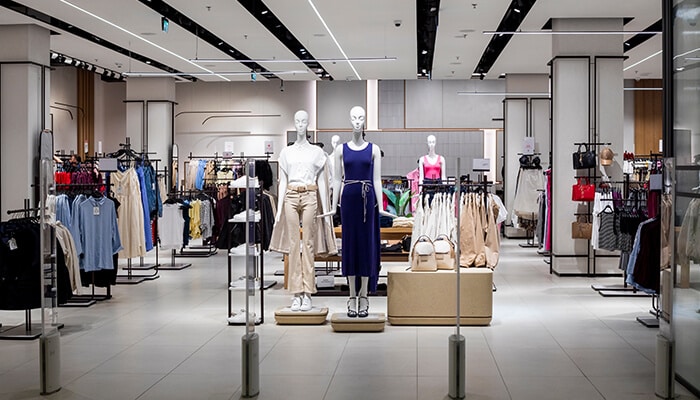
Mall-based fashion retailers are facing some of the biggest challenges in this shift. More and more shoppers are turning to their phones to browse and buy, so fewer people are visiting stores in person. Brands that once depended on seasonal in-store promotions are finding it hard to keep up with online fashion sites that offer new styles weekly. This shift has led to many store closures, less demand for retail space, and a long-term transformation of shopping malls across the United States.
3. The Rise of Micro-Trend Culture
Shein and Temu ride the wave of quick fashion trends that come and go fast, mostly driven by TikTok, Instagram, and influencer culture. Instead of sticking to the old seasonal fashion cycles, people now hunt for viral styles that might only stay popular for a few weeks. Since the products are cheap, shoppers feel freer to try out bold styles, even if they plan to wear them just a handful of times. This has accelerated trend turnover and changed how fashion relevance is measured.
4. Beauty Accessory Boom
Beyond clothing, These platforms have played a major role in expanding the beauty accessories market. Things like LED makeup mirrors, facial rollers, hair tools, nail kits, and storage organizers have become popular impulse purchases. Because these products are affordable, consumers feel free to try out new beauty routines without making expensive investments. This trend has moved sales of beauty accessories away from traditional stores and toward online platforms.
5. Fast Trend-to-Shelf Cycle
One of the biggest reasons behind Shein and Temu’s disruption is how quickly they can deliver products to consumers. Using AI-powered demand forecasting and fast manufacturing partnerships, Shein and Temu can convert internet trends to physical products within days. This ultra-fast production process allows them to outperform traditional brands with months of planning timelines, giving them a strong competitive advantage.
6. Influence on Makeup Tools & Skincare Gadgets
They have also become popular destinations for affordable beauty tools and skincare gadgets. You can find everything from electric facial cleansers to makeup brush sets and nail art machines. These sites make it easier for people to try out new beauty products. Influencers sharing their reviews and viral videos further boost product demand, helping beauty items get noticed and popular in the U.S. market.
7. Sustainability Backlash
Even though these brands have grown quickly, concerns about their impact on the environment are growing too. People say ultra-fast fashion leads to a lot of textile waste, excessive packaging, and higher carbon emissions. Environmental groups and conscious consumers increasingly question the long-term impact of disposable fashion culture. As more people notice these issues, companies like Shein and Temu are facing more pressure to introduce eco-friendly materials, start recycling programs, and transparent production practices.
8. Impulse Buying Culture
Low prices, quick deals, and new arrivals encourage impulse purchases. Many shoppers pick things based on emotional instead of actual needs. The shopping experience feels like a game with countdown timers, limited-time offers, and reward points, which encourages people to spend without thinking it through. This behavioral shift has changed online shopping habits and increased average order volumes.
9. Fashion Haul Economy

Fashion hauls have become a big part of how online platforms market themselves. Both influencers and everyday shoppers frequently share large unboxing videos showcasing dozens of items at once. These hauls generate social proof, encourage peer purchases, and normalize bulk buying behavior. This haul trend has turned shopping into a kind of entertainment and created a new way to promote products through content.
10. Social Commerce Dominance
Shein and Temu excel at social commerce by blending shopping directly into social media platforms. TikTok Shop, Instagram Reels, and influencer affiliate links have turned scrolling into shopping. People can discover products, see how they work, and buy them without leaving their favorite apps. This seamless experience has blurred the line between entertainment and retail.
11. Pressure on Ethical Brands
Ethical and sustainable fashion brands face a lot of competition today. They focus on fair wages and eco-friendly methods, many struggle to match the low prices and quick delivery offered by ultra-fast fashion companies. This has created challenges in the market, making responsible brands try to balance their values with what shoppers want—affordable prices and fast service.
12. Designer Brand Copy Controversies
Shein and Temu have faced repeated accusations of copying designs from independent creators and luxury fashion brands. While this allows consumers to access runway-inspired looks at lower prices, it also brings up serious worries about intellectual property rights and creative ownership. These issues have led to ongoing legal challenges and discussions about originality in fast fashion.
13. Gen Z Shopping Psychology
Gen Z shoppers are at the center of this retail transformation. They prioritize affordability, staying on trend, and instant gratification while also valuing self-expression through fashion. Shein and Temu understand these motivations and design their platforms around personalization, social engagement, and fast content-driven discovery. Because of this, psychological alignment has helped both brands dominate younger consumer segments.
Fashion Industry Insights: How Shein & Temu Use Data and AI
- Predicting Runway Trends:
Shein looks at lots of data to figure out which runway styles will become popular. Then, they copy those looks and have them ready for everyone to buy within weeks.
- Temu’s Beauty Gadget Disruption:
Temu is changing the way accessory sales, doing better than traditional beauty stores when it comes to small gadgets and skincare tools.
- AI Trend Forecasting Impact
Shein and Temu use artificial intelligence to study what customers like and keep up with fashion trends. This helps them make their designs and products more efficiently and effectively.
- Impact on Fashion Dropshipping Sellers
Dropshipping has gotten easier because Shein and Temu now offer lots of different products. This means small sellers have a greater variety of goods to sell, creating a ripple effect in global retail.
- Retail Influencer Economy Shift
More and more retail influencers are sharing products from Shein and Temu because these brands offer special deals, discounts, and affiliate opportunities that traditional stores don’t offer.
How Shein & Temu Are Disrupting US Retail Supply Chains
One of the main reasons Shein and Temu have grown so fast is because of how they handle their supply chains. Unlike traditional U.S. retailers that rely on seasonal collections and bulk inventory planning, these ultra-fast fashion platforms operate on a real-time, data-driven production system that prioritizes speed, flexibility, and cost efficiency.
1. Direct-to-consumer fulfillment
Shein and Temu skip the traditional retail stores and distributors by shipping products straight to customers. This way of selling lowers costs, speeds up orders processing, and allows both sites offer good prices while maintaining high product availability.
2. Factory-to-door model
These platforms connect factories directly with consumers, these platforms shorten the supply chain and eliminate unnecessary middle steps. This speeds up production and shipping, letting new fashion and beauty products hit the market almost as soon as trends pop up.
3. Logistics automation
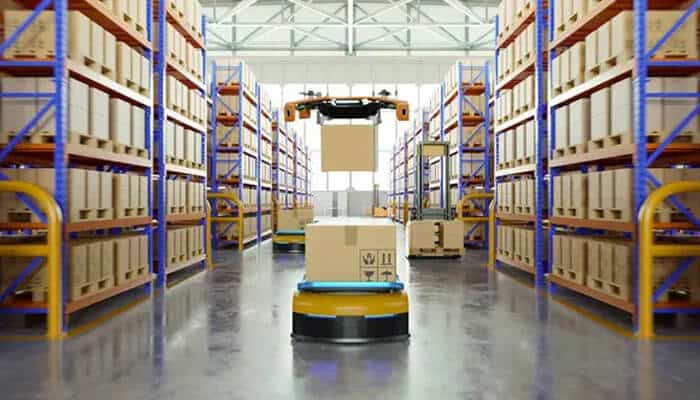
Automation and AI-based logistics systems help manage large operations like sorting in warehouses, packaging, and tracking shipments. These technologies improve accuracy, cut down on mistakes, and let Shein and Temu handle millions of orders each day across the U.S. market smoothly.
4. Delivery time reduction
Shein and Temu have sped up delivery times by using better shipping routes, smart fulfillment systems, and working with logistics partners around the world. Faster shipping makes it easier for people to buy on impulse and meets Gen Z’s need for quick and easy online shopping.
5. Inventory minimization
Instead of making large amounts of stock upfront, both brands wait to see what people want and then produce smaller batches. This helps them avoid having unsold items, saves on storage costs, reduces financial risks, and helps avoid excessive fashion waste compared to traditional ways of selling clothes.
Shein vs Temu: Fashion & Beauty Shopping Comparison
| Feature | Shein | Temu |
| Main Focus | Trend-driven fashion & affordable apparel | Fashion + beauty gadgets |
| Product Launch Speed | Ultra-fast (days) | Fast, with emphasis on accessories |
| Price Range | $5–$30 | $3–$25 |
| Popular With | Gen Z & TikTok audience | Gen Z & beauty/tech enthusiasts |
| Influencer Integration | Strong TikTok/Instagram campaigns | Growing micro-influencer network |
| Sustainability | Criticized for waste | Similar concerns; growing eco-options |
| US Market Penetration | Very high | Rising fast |
Future of Fashion Retail in America (2026–2030)
Looking ahead, Shein and Temu will likely to continue shaping the U.S. retail. By 2030, we expect to see:
- Digital Fashion Growth: Augmented reality and virtual try-ons are becoming a bigger part of how we shop for clothes. Shein and Temu are at the forefront of offering virtual fitting rooms to try things on online.
- Resale Competition: With more focus on sustainability, resale platforms like Depop and Poshmark might face more competition from Shein and Temu as they launch their own second-hand or upcycled clothing collections.
- AI-Powered Shopping: AI will keep making fashion more personal, helping people find exactly what they want more easily.
- Sustainability Demands: Both brands will face more pressure to pay attention to environmental issues. Offering eco-friendly products and focusing on sustainability will become very important for them.
What Fashion Brands & Beauty Creators Should Do Next
To keep up with Shein and Temu’s growth, here are some practical tips for fashion brands and beauty creators.
- Leverage Social Media Commerce: Put your money into working with influencers and running social media ads aimed at Gen Z.
- Optimize for Mobile Shopping: Gen Z mostly shops on their phones, so make sure your website or app works well on mobile.
- Focus on Fast Trend Turnarounds: Focus on speeding up product launches and using live data to quickly respond to new trends.
- Sustainability Initiatives: If you run a traditional fashion brand, start focusing on sustainability to keep up with the changes in the market.
Pros and Cons of Shein & Temu Shopping for US Consumers
Pros
- Extremely affordable pricing
- Trend access within days
- Massive product variety
- Easy mobile shopping
- Strong social media integration
Cons
- Sustainability concerns
- Product quality inconsistencies
- Long return processing
- Ethical production questions
- Data privacy worries
Conclusion
The shein, temu impact US retail is undeniable. Fast fashion is changing how people shop and also shaking up style, beauty trends, and online selling strategies in America. Gen Z’s love for affordable prices, quick results, and trendy content is pushing other brands to change or risk falling behind.
With online shopping, AI helping predict trends, and social media shopping growing, the next five years will bring even bigger changes to fashion and beauty in the U.S. Brands, creators, and retailers that understand these shifts will lead the market. The ones that don’t might find themselves left behind by the ultra-fast fashion revolution. As ultra-fast fashion continues to evolve, Shein and Temu are not just shaping retail trends — they are redefining the future of digital commerce in America.