

You are standing in the sunscreen aisle, staring at dozens of bottles. Some say SPF 15, some say SPF 30, and others go all the way up to SPF 100. You grab the one you always use, SPF 15, and wonder: Is SPF 15 enough to protect my skin? You are not alone. Millions of people ask this exact question every single day, and the answer might actually surprise you.
Is SPF 15 enough for some situations? Yes. But for most people, in most daily situations, SPF 15 falls short of the protection your skin actually needs. The difference between SPF 15 and SPF 30 is not just a number; it is a real gap in protection that adds up over weeks, months, and years of sun exposure. Understanding this gap could be one of the best things you ever do for your long-term skin health.
In this complete guide, we will break down everything you need to know about SPF, what the numbers really mean, when is SPF 15 enough and when it is not, how SPF 15 compares to SPF 30 and SPF 50, and what dermatologists actually recommend in 2026. Whether you are a student, a working professional, or someone who loves spending time outdoors, this article will give you clear, simple answers backed by real science.
What Does SPF Actually Mean?
SPF stands for Sun Protection Factor. It is a number that tells you how well a sunscreen product protects your skin from UVB rays, the type of sun rays that cause sunburn.
Think of it this way: if your bare skin would start to turn red after 10 minutes in the sun, an SPF 15 sunscreen would theoretically allow you to stay in the sun for 150 minutes (10 × 15) before burning. An SPF 30 would give you 300 minutes, and an SPF 50 would give you 500 minutes under perfect conditions.
But here is the keyword: perfect conditions. In real life, you sweat, you swim, you forget to reapply, and you probably do not put on as much sunscreen as the lab tests require. This is why the SPF number alone does not tell the full story.
Two Types of UV Rays You Should Know
Before we answer “is SPF 15 enough,” you need to understand the two types of UV rays that affect your skin:
- UVB Rays: These cause sunburn. They damage the outer layers of your skin and are the main driver of most skin cancers. The SPF number on your bottle is specifically about UVB protection.
- UVA Rays: These go deeper into your skin. They cause wrinkles, dark spots, and premature aging. They also contribute to skin cancer. UVA rays make up about 95% of all UV radiation that reaches the Earth’s surface. UVA rays can even pass through glass windows.
This is why you always want a sunscreen that says “broad spectrum” on the label. It means the product protects against both UVA and UVB rays.
How Does SPF Work on Your Skin?
Here is a simple breakdown of what each SPF level actually blocks:
| SPF Level | UVB Rays Blocked | UVB Rays That Get Through | Real-World Use |
| SPF 15 | 93% | 7% | Light indoor days, very brief sun |
| SPF 30 | 97% | 3% | Everyday outdoor use |
| SPF 50 | 98% | 2% | Extended outdoor activities, beach |
| SPF 100 | 99% | 1% | High-altitude or extreme exposure |
At first glance, the difference between SPF 15 (93%) and SPF 30 (97%) seems like just 4%. But look at it from the other direction: SPF 30 allows half the UV radiation through compared to SPF 15. SPF 15 lets 7 photons out of every 100 hit your skin, while SPF 30 only lets 3 through. That is literally more than double the UV damage reaching your skin when you use SPF 15 instead of SPF 30.
Over years and decades of daily exposure, that difference is enormous.
Is SPF 15 Enough?
So, is SPF 15 enough? The honest answer is: it depends on what you are doing and for how long.
According to the U.S. Food and Drug Administration (FDA), only sunscreens with an SPF of 15 or higher are considered effective at helping to reduce the risk of skin cancer and early skin aging. So technically, SPF 15 does meet the minimum FDA standard.
However, both the American Academy of Dermatology (AAD) and the Skin Cancer Foundation recommend using a broad-spectrum sunscreen with an SPF of at least 30 for everyday sun protection.
Here is why SPF 15 is not enough for most people in most situations:
- SPF 15 lets 7% of UVB rays through that is more than twice the damage of SPF 30
- Most people do not apply enough sunscreen to get the full SPF rating on the bottle
- Sunscreen wears off after about 2 hours and needs to be reapplied
- SPF 15 provides no special UVA protection unless it says “broad spectrum.”
- People with fair skin, a history of skin cancer, or those on certain medications need more protection
The bottom line: Is SPF 15 enough for a quick trip from your car to the office? Maybe. Is SPF 15 enough for a day at the park, beach, or sports field? Absolutely not.
SPF 15 vs SPF 30 vs SPF 50: Side-by-Side Comparison
Let us break this down clearly so even an 8th grader can understand the differences.
| Feature | SPF 15 | SPF 30 | SPF 50 |
| UVB Protection | 93% | 97% | 98% |
| UV Rays That Reach Skin | 7 in 100 | 3 in 100 | 2 in 100 |
| AAD Recommendation | Minimum only | Recommended | Best for outdoors |
| Good for Indoors? | Yes | Yes | Yes |
| Good for Outdoors? | Only briefly | Yes | Yes |
| Good for Beach/Sports? | No | Minimum | Best choice |
| Reapplication Needed? | Every 2 hours | Every 2 hours | Every 2 hours |
| Broad Spectrum Available? | Yes | Yes | Yes |
The Math Behind the Numbers
Let us make this super simple:
- SPF 15: 7 UV rays hit your skin out of every 100
- SPF 30: 3 UV rays hit your skin out of every 100
- SPF 50: 2 UV rays hit your skin out of every 100
So if you are asking, “Is SPF 15 enough compared to SPF 30?” SPF 30 blocks more than twice as many harmful rays as SPF 15. That is not a small difference when you think about daily exposure over your entire lifetime.
When Is SPF 15 Enough?
Before you throw away every SPF 15 product in your cabinet, let’s be fair. There are situations where SPF 15 may be enough:
- You spend most of your day indoors and only have brief exposure, like walking to your car or stepping out for a few minutes
- You are in a low UV index area during winter months or early morning/late evening hours
- You layer it with other protection, like wearing long sleeves, a wide-brimmed hat, and seeking shade
- You have darker skin (though this does NOT mean you should skip sunscreen entirely, more on this below)
- It is a cloudy, overcast winter day where UV index is very low (under 2)
Even in these situations, many dermatologists argue that using SPF 30 costs no more effort and gives significantly better protection, so why not just upgrade?
When Is SPF 15 NOT Enough?
This is the more important list. Is SPF 15 enough in these situations? No, and here is why:
- Spending more than 20 minutes outdoors: The UV exposure adds up fast, and SPF 15 allows too many rays through
- At the beach, pool, or lake: Water reflects UV rays and increases exposure significantly
- Exercising or playing sports outside: Sweat breaks down sunscreen faster
- Driving or commuting: UVA rays pass through car windows, and daily driving exposure accumulates over time
- Living in a sunny or high-altitude region: UV intensity is much higher
- Having fair or light skin: Lighter skin burns faster and has less natural UV protection
- Having a personal or family history of skin cancer: Your risk is already higher
- Taking certain medications: Some antibiotics, acne treatments, and blood pressure medications make skin more sensitive to UV
- Children and teens: Young skin is more vulnerable to UV damage
- People with skin conditions: like rosacea, eczema, or lupus
In all of the above situations, SPF 15 is not enough, and you should use at least SPF 30 or SPF 50 for extended outdoor exposure.
What Do Dermatologists Recommend in 2026?
The science and medical guidance have been consistent for years and remain the same in 2026:
The American Academy of Dermatology (AAD) recommends:
- A broad-spectrum sunscreen
- SPF 30 or higher for everyday use
- SPF 50 or higher for extended outdoor activities
- Water-resistant formula if swimming or sweating
- Apply 15–30 minutes before going outside
- Reapply every 2 hours
The Skin Cancer Foundation recommends:
- SPF 15 as the minimum for everyday protection indoors with brief outdoor exposure
- SPF 30 for everyday outdoor protection
- SPF 50+ for extended outdoor time (beach, hiking, sports)
What dermatologists say about “Is SPF 15 enough”:
“SPF 15 isn’t enough for a number of reasons. You should always have a minimum SPF of 30.” Dermatology specialist, Houston Methodist
“A higher SPF might give you a little more wiggle room if you didn’t apply enough sunscreen, or you forgot to reapply.” MD Anderson Cancer Center
The consensus is clear: Is SPF 15 enough for daily outdoor life? No. The standard recommendation is SPF 30 as the everyday minimum and SPF 50 for anything beyond a casual walk outside.
SPF 15 for the Face: Is It Enough?
Many people use a moisturizer with SPF 15 on their face and assume they are fully protected. This is one of the most common skincare mistakes.
Here is the problem:
- You do not apply enough: With a moisturizer, your goal is hydration and texture, not sun protection. People typically apply far less than the amount needed to achieve the SPF listed on the label.
- You do not reapply: Once you apply your morning moisturizer, you probably do not reapply it every 2 hours throughout the day.
- Makeup with SPF 15 is not enough: Either for the same reasons.
Is SPF 15 enough for face protection? Only if you are literally sitting indoors all day near no windows. If you go outside at all, even for lunch, the answer is no. Your face is one of the most exposed parts of your body and needs proper protection.
Use a dedicated facial sunscreen with SPF 30 or SPF 50 that is broad-spectrum, and apply it generously as the last step in your morning skincare routine.
SPF and Different Skin Tones
A very common myth is that people with darker skin do not need sunscreen. This is completely false and potentially dangerous.
Here is the truth:
- The melanin in darker skin tones provides natural protection equivalent to roughly SPF 13–15, which brings us back to the question: Is SPF 15 enough even naturally?
- Darker skin is still susceptible to UVA damage, hyperpigmentation, and skin cancer
- The FDA states that anything less than SPF 15 cannot claim to prevent skin-related damage
- People of all skin tones should use broad-spectrum SPF 30 or higher
The difference for darker skin tones is that they are less likely to visibly burn, but UV damage still happens silently under the surface, contributing to aging, dark spots, and long-term cancer risk.
How to Apply Sunscreen the Right Way
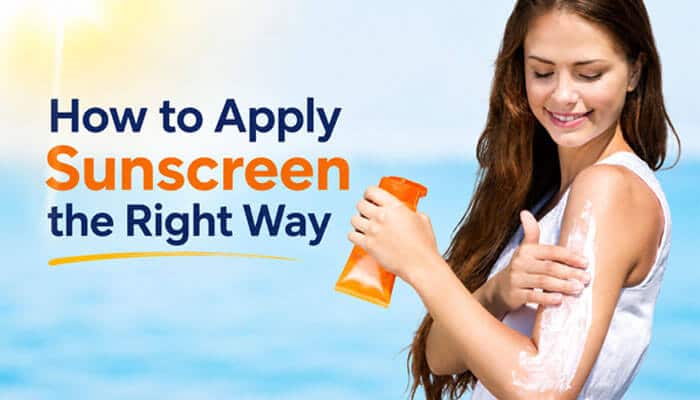
Even if you have SPF 50 sunscreen, it will not work properly if you apply it incorrectly. Here is how to get the full protection value:
Step-by-Step Application Guide:
1. Choose the right product: Broad spectrum, SPF 30 minimum, water-resistant if outdoors
2. Apply enough: For your full body, use about 1 ounce (a shot glass full). For just your face and neck, use about half a teaspoon.
3. Apply 15–30 minutes before going outside: This gives the sunscreen time to bind properly to your skin
4. Cover all exposed areas: Ears, back of neck, tops of feet, back of hands, and lips (use SPF lip balm)
5. Reapply every 2 hours: No exceptions. Sunscreen breaks down under UV exposure and needs refreshing.
6. Reapply after swimming or sweating: Even water-resistant sunscreen needs to be reapplied after towel drying
Important note on reapplication: Even the best SPF 50 sunscreen becomes as effective as SPF 15 if you do not reapply it. Time matters more than the SPF number in many real-world situations.
Common SPF Myths Busted
Let us clear up some of the most widespread misconceptions around whether is SPF 15 enough:
Myth 1: SPF 30 is twice as strong as SPF 15.
False. SPF 30 blocks 97% of UVB vs SPF 15’s 93%. It is not double the number on a linear scale, but it does block more than twice the amount of UV rays that actually reach your skin.
Myth 2: I only need sunscreen when it’s sunny.
False. Over 80% of UVA rays penetrate cloud cover. UV damage happens every day, rain or shine.
Myth 3: If I have dark skin, I don’t need sunscreen.
False. Darker skin has natural SPF equivalent to roughly 13–15, which is still below the recommended SPF 30 minimum. Everyone needs sunscreen.
Myth 4: SPF 100 gives me all-day protection.
False. No sunscreen lasts all day. Even SPF 100 needs to be reapplied every 2 hours.
Myth 5: Makeup with SPF 15 is enough protection.
False. You would need to apply massive amounts of makeup to get the actual SPF value listed on the label, far more than anyone actually uses.
Myth 6: Higher SPF means I can stay out longer.
False and actually dangerous. Higher SPF should not be used as a reason to extend your time in the sun without reapplying.
Myth 7: SPF 15 is fine because I’m only outside for a few minutes.
Partially true, but those “few minutes” happen multiple times per day, every day, adding up to significant UV exposure over time.
The Real Risk of Relying on SPF 15
You might think: “I’ve used SPF 15 for years and never got a bad sunburn, so is SPF 15 enough for me?” But here is the thing about sun damage: most of it is invisible and cumulative.
- UV damage builds up in your skin’s DNA over time
- Wrinkles, dark spots, and loss of elasticity from UV exposure can appear 10–20 years later
- Skin cancer does not show up overnight; it is the result of years of accumulated UV exposure
Studies show that regular daily use of SPF 15 sunscreen can reduce your risk of squamous cell carcinoma by about 40% and melanoma risk by 50% when used correctly as directed, but this is SPF 15 used perfectly, every day, with proper application amounts and reapplication. In reality, most people do not apply enough or reapply consistently, which dramatically reduces the actual protection received.
Upgrading to SPF 30 gives you a much larger safety margin to work with.
Is SPF 15 Enough? Final Verdict
Let us bring it all together with a simple, easy-to-understand answer:
| Situation | Is SPF 15 Enough? |
| Working indoors all day, minimal outdoor time | Possibly, but SPF 30 is still better |
| Quick trips in and out (under 10 minutes total) | Marginally acceptable |
| Daily commuting by car | No UVA rays pass through glass |
| Outdoor lunch or break (20–30 minutes) | No |
| Exercise, sports, outdoor activities | Definitely not |
| Beach, pool, hiking | Absolutely not |
| For children | No, always use SPF 30+ |
| Fair or light skin | No |
| Any skin tone, everyday outdoor life | No minimum SPF 30 |
The answer to “Is SPF 15 enough” for most real-life situations is: No. Use SPF 30 as your daily minimum and SPF 50 when you are spending significant time outdoors.
Key Takeaways
- Is SPF 15 enough? For most real-world situations, no.
- SPF 15 blocks 93% of UVB rays; SPF 30 blocks 97%; SPF 50 blocks 98%
- SPF 30 lets through less than half the UV radiation that SPF 15 lets through
- The FDA, American Academy of Dermatology, and Skin Cancer Foundation all recommend SPF 30 as the daily minimum
- SPF 15 in moisturizers and makeup is not enough for meaningful sun protection
- No sunscreen lasts all day. Reapply every 2 hours
- Everyone, every skin tone, every age needs broad-spectrum sunscreen daily
- For outdoor activities: Use SPF 50, broad-spectrum, water-resistant
- For everyday indoor life: Use SPF 30, broad spectrum, at minimum
Frequently Asked Questions
1. Is SPF 15 enough for cloudy days?
No. More than 80% of UV rays still reach your skin on cloudy days. SPF 30 is recommended year-round, every day.
2. Is SPF 15 enough for indoor workers?
If you sit near windows, no UVA rays pass through glass. Use SPF 30 with broad-spectrum protection.
3. Is SPF 15 enough for dark skin?
No. Darker skin provides natural protection equivalent to roughly SPF 13–15, but that is still not enough. Everyone should use SPF 30+.
4. Is SPF 15 in moisturizer enough?
No. The amount of moisturizer applied is typically far less than what is needed to achieve the labeled SPF value. Use a dedicated SPF 30 sunscreen.
5. Is SPF 15 enough for a 30-minute walk?
No. Dermatologists recommend SPF 30 for any meaningful outdoor time.
6. Is SPF 15 enough for kids?
No. Children’s skin is more sensitive to UV damage. Always use SPF 30 or higher on children over 6 months of age.
7. Can I mix SPF 15 moisturizer and SPF 30 sunscreen to get SPF 45?
No. SPF products do not add up that way. The higher SPF product’s value is what counts, but only if applied in sufficient amounts.
8. Is SPF 15 enough for winter?
UV rays are present year-round. SPF 30 is the recommended standard in all seasons, especially at high altitudes where UV intensity is greater.
