


Choosing a facial cleanser should be simple, but crowded store shelves can make the decision confusing. There are foaming gels, cleansing creams, acne washes, micellar formulas, oil cleansers, and products that promise everything from smaller pores to instant glowing skin. However, the Best Facial Cleansers are not always the products with the loudest claims. A good cleanser removes sunscreen, makeup, sweat, excess oil, dirt, and daily buildup without leaving the skin dry, tight, itchy, or uncomfortable.
When comparing cleansers, one of the most useful checks is how the skin feels a few minutes after rinsing. Clean skin should feel fresh and comfortable. It should not feel stretched, painfully dry, greasy, or coated with a heavy film. This simple test can help separate the Best Facial Cleansers from formulas that may be too harsh or too rich for your skin type.
This guide explains the Best Facial Cleansers for dry, oily, combination, sensitive, acne-prone, redness-prone, and mature skin. Each recommendation is based on product formulas, ingredient quality, skin-type suitability, cleansing ability, and common dermatology guidance. No single cleanser works perfectly for everyone, so the goal is to help you find the safest and most effective match for your individual skin.
Editorial note: The products in this guide were chosen by reviewing their current formulas, intended skin types, key ingredients, directions, and possible irritation risks. Product formulas may change over time, so always check the ingredient list on the package before using a new cleanser.
Best Facial Cleansers by Skin Type
For most people, the Best Facial Cleansers are gentle, non-abrasive, easy to rinse, and suited to the skin’s natural oil level. Dermatologists commonly recommend using lukewarm water, applying cleanser with the fingertips, and avoiding rough scrubbing.
| Category | Recommended Cleanser | Why It Stands Out | Main Caution |
| Best overall for normal-to-dry skin | CeraVe Hydrating Facial Cleanser | Creamy formula with ceramides and hyaluronic acid | May be too mild for removing heavy makeup |
| Best for oily skin | CeraVe Foaming Facial Cleanser | Removes excess oil without using rough scrub particles | May feel drying on very dry cheeks |
| Best for dry, sensitive skin | La Roche-Posay Toleriane Hydrating Gentle Cleanser | Cream texture with glycerin, niacinamide, and ceramide | May not remove waterproof makeup on its own |
| Best for highly sensitive skin | Vanicream Gentle Facial Cleanser | Simple, soap-free, and fragrance-free formula | Patch testing is still recommended |
| Best for redness-prone skin | Aveeno Calm + Restore Nourishing Oat Cleanser | Gentle, milky texture with oat and feverfew | Botanical ingredients may irritate some users |
| Best budget-friendly option | Cetaphil Gentle Skin Cleanser | Mild, creamy, and widely available | May not feel strong enough for oily skin |
| Best for sunscreen and makeup | CeraVe Hydrating Cream-to-Foam Cleanser | Removes makeup without leaving the skin feeling tight | Waterproof eye makeup may require a separate remover |
| Best for blackheads | PanOxyl Acne Gel Wash | Contains 2% salicylic acid | May cause dryness or peeling |
| Best for inflammatory acne | PanOxyl 4% Acne Creamy Wash | Contains 4% benzoyl peroxide | Can bleach towels and clothing |
| Best gentle gel cleanser | Bioderma Sensibio Gel Moussant | Soft-foaming gel designed for sensitive skin | Formula may vary by country |
How the Best Facial Cleansers Were Selected
A useful cleanser comparison should look beyond brand popularity, packaging, and social media trends. To select the Best Facial Cleansers, five important factors were considered.
Skin-Type Compatibility
The cleanser should match the skin’s natural condition. Dry skin usually needs a creamy or milky formula, while oily skin may respond better to a gentle gel or foam.
Cleansing Ability
A cleanser should remove normal dirt, sunscreen, makeup, oil, and sweat without requiring hard scrubbing.
Barrier Support
Ingredients such as glycerin, ceramides, hyaluronic acid, niacinamide, oat, amino acids, and panthenol may help the skin remain comfortable after washing.
Irritation Risk
Fragrance, rough scrub particles, strong essential oils, and high levels of exfoliating acids may cause problems for sensitive or damaged skin.
Clear Product Directions
A good cleanser should clearly explain who it is designed for, how often it should be used, and whether special precautions are required.
The 10 Best Facial Cleansers in 2026
The following Best Facial Cleansers are suitable for different skin types and concerns. A cleanser described as “best” is not automatically ideal for every person. It means the formula is a strong match for the specific need listed.
1. CeraVe Hydrating Facial Cleanser: Best Overall for Normal-to-Dry Skin
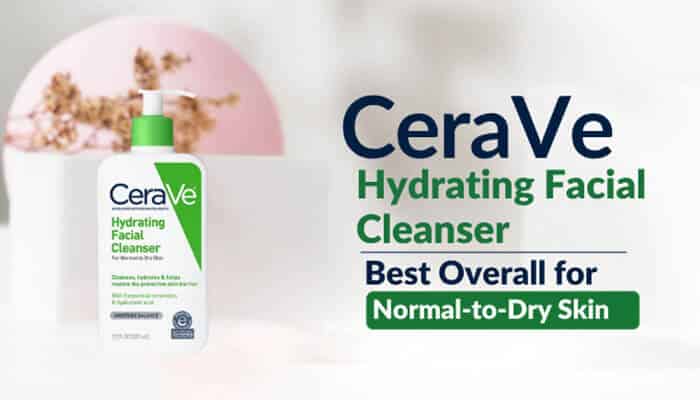
CeraVe Hydrating Facial Cleanser is a reliable everyday option for skin that often feels dry, normal, or tight after washing. Its creamy formula contains ceramides and hyaluronic acid, which are commonly used to support moisture and the skin barrier.
Unlike strong foaming washes, this cleanser has a lotion-like texture. It cleans the skin without creating the squeaky or stretched feeling that dry skin often experiences.
Why It Made the List
- Creamy, non-scrubbing texture
- Designed for normal-to-dry skin
- Contains ceramides and hyaluronic acid
- Fragrance-free formula
- Suitable for morning and evening use
Best for: Dry skin, normal skin, mature skin, and people using treatments that cause dryness.
Possible drawback: It may not completely remove waterproof sunscreen, long-wear foundation, or heavy makeup in one wash.
This cleanser is a practical starting point for people who want a mild formula that supports daily skin comfort.
2. CeraVe Foaming Facial Cleanser: Best for Oily and Combination Skin
Oily skin still needs gentle care. Washing too often or using rough cleansers may irritate the skin without solving excess oil production.
CeraVe Foaming Facial Cleanser is designed for normal-to-oily skin. Its gel formula changes into a soft foam that removes surface oil, dirt, and light makeup. It also contains ceramides, hyaluronic acid, and niacinamide.
Why It Made the List
- Refreshing gel-to-foam texture
- Removes excess surface oil
- Contains barrier-supporting ingredients
- Suitable for normal, oily, and combination skin
- Does not contain rough exfoliating particles
Best for: Oily skin, combination skin, humid climates, and people who prefer a clean-rinsing foam.
Possible drawback: It may feel drying when used too often or when the cheeks are already dry.
A good oily-skin cleanser should reduce excess oil without making the face feel uncomfortable. This formula provides a balanced daily option.
3. La Roche-Posay Toleriane Hydrating Gentle Cleanser: Best for Dry, Sensitive Skin
La Roche-Posay Toleriane Hydrating Gentle Cleanser has a creamy texture and is made for normal-to-dry sensitive skin. Its formula includes glycerin, niacinamide, ceramide, and panthenol.
The cleanser is designed to remove makeup, dirt, and impurities while helping the skin maintain a comfortable moisture level.
Why It Made the List
- Creamy, low-lather texture
- Fragrance-free formula
- Contains glycerin and niacinamide
- Supports dry and sensitive skin
- Suitable for daily use
Best for: Dry, sensitive, dehydrated, or easily irritated skin.
Possible drawback: Heavy or water-resistant makeup may require a separate makeup remover first.
This product works well for people who want more moisture than a gel cleanser provides but do not want to use a thick cleansing balm.
4. Vanicream Gentle Facial Cleanser: Best for Highly Sensitive Skin
Vanicream Gentle Facial Cleanser has a simple formula designed for dry, delicate, and sensitive skin. It is free from fragrance, essential oils, botanical extracts, soap, and sulfates.
People with reactive skin often benefit from formulas that contain fewer unnecessary ingredients. This cleanser focuses on basic cleansing without adding strong fragrance, cooling agents, exfoliating particles, or brightening acids.
Why It Made the List
- Simple ingredient list
- Fragrance-free
- Soap-free and sulfate-free
- Suitable for sensitive skin
- Removes ordinary makeup and excess oil
Best for: Very sensitive skin, eczema-prone skin, fragrance-sensitive users, and damaged skin barriers.
Possible drawback: No cleanser is completely reaction-proof. Patch-testing is still important.
Among the Best Facial Cleansers for reactive skin, Vanicream stands out because it avoids many ingredients that commonly cause irritation.
5. Aveeno Calm + Restore Nourishing Oat Cleanser: Best for Redness-Prone Skin
Aveeno Calm + Restore Nourishing Oat Cleanser has a soft, milky gel-cream texture. It contains oat and feverfew and is designed for sensitive, dry, or easily irritated skin.
The low-foam formula cleans without depending on strong detergents or rough scrub particles.
Why It Made the List
- Milky and gentle texture
- Designed for sensitive skin
- Contains oat and feverfew
- Supports a moisture-focused routine
- Does not leave a harsh, squeaky finish
Best for: Dry sensitive skin, temporary redness, over-exfoliated skin, and people who dislike foaming cleansers.
Possible drawback: Natural or botanical ingredients can still cause reactions in some people.
Redness-prone skin usually benefits from a simple routine with minimal rubbing. This cleanser is most useful when comfort is the main priority.
6. Cetaphil Gentle Skin Cleanser: Best Budget-Friendly Pick
Cetaphil Gentle Skin Cleanser is made for dry-to-normal sensitive skin. It has a creamy, low-lather texture and is widely available in pharmacies, supermarkets, and online stores.
The formula is simple enough for beginners and can be used on both the face and body.
Why It Made the List
- Widely available
- Mild texture
- Suitable for sensitive skin
- Affordable compared with many premium cleansers
- Easy to include in a basic routine
Best for: Beginners, teenagers with dry skin, families sharing a cleanser, and people seeking a simple daily face wash.
Possible drawback: It may feel too mild for people who wear heavy makeup or have very oily skin.
This product earns a place among the Best Facial Cleansers because it is simple, practical, and easy to find.
7. CeraVe Hydrating Cream-to-Foam Cleanser: Best for Makeup and Sunscreen
CeraVe Hydrating Cream-to-Foam Cleanser begins as a cream and changes into a soft foam when mixed with water. It is designed to remove dirt, sunscreen, oil, and makeup without creating an overly tight finish.
The formula contains ceramides, hyaluronic acid, amino acids, and gentle cleansing ingredients.
Why It Made the List
- More cleansing power than many cream cleansers
- Cream-to-foam texture
- Removes light and medium makeup
- Fragrance-free
- Suitable for normal-to-dry skin
Best for: Daily sunscreen users, makeup wearers, and dry skin that needs a more thorough evening cleanse.
Possible drawback: Waterproof mascara and long-wear eye products may still require micellar water or a separate remover.
A makeup-friendly cleanser should remove residue without forcing the user to scrub. This formula provides a useful balance between gentleness and cleansing strength.
8. PanOxyl Acne Gel Wash: Best for Blackheads and Clogged Pores
PanOxyl Acne Gel Wash contains 2% salicylic acid. Salicylic acid is commonly used to clear clogged pores, loosen dead skin cells, and reduce blackheads and whiteheads.
The cleanser has a gel-to-foam texture and is designed for oily or acne-prone skin.
Why It Made the List
- Contains 2% salicylic acid
- Helps clear clogged pores
- Targets blackheads and whiteheads
- Fragrance-free
- Can replace harsh physical scrubs
Best for: Oily, acne-prone skin with blackheads, whiteheads, or rough clogged areas.
Possible drawback: It may cause dryness, peeling, burning, or irritation when used too often.
Start slowly and avoid combining it immediately with several other acids, scrubs, or strong acne products.
9. PanOxyl 4% Acne Creamy Wash: Best for Inflamed Acne
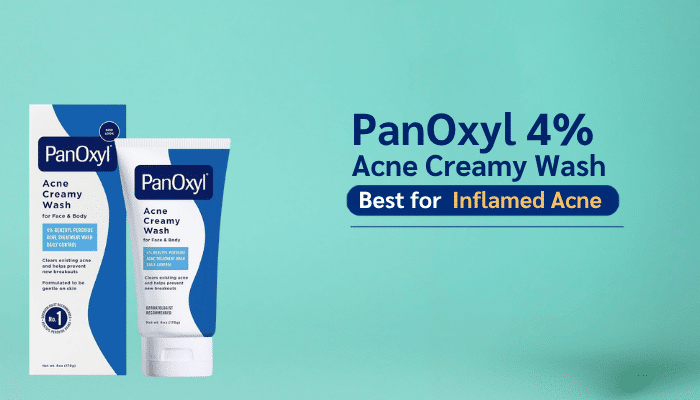
PanOxyl 4% Acne Creamy Wash contains benzoyl peroxide, an ingredient commonly used to reduce acne-causing bacteria and improve inflammatory breakouts.
The creamy formula can be used on the face, chest, and back. It is generally better suited to red pimples than to simple dryness or sensitivity.
Why It Made the List
- Contains 4% benzoyl peroxide
- Targets red and inflamed pimples
- Creamy rather than gritty
- Can be used on the face and body
- Suitable for mild-to-moderate acne
Best for: Inflamed acne, red pimples, chest acne, and back acne.
Possible drawback: Benzoyl peroxide may dry the skin and bleach towels, pillowcases, clothing, and hair.
Rinse the product thoroughly and consider using white towels when adding it to your routine.
10. Bioderma Sensibio Gel Moussant: Best Gentle Gel for Sensitive Skin
Bioderma Sensibio Gel Moussant is a soft foaming gel made for sensitive skin. It provides a lighter texture than a cream cleanser while still aiming to maintain skin comfort.
It may be useful for people who have sensitive skin but dislike heavy lotion-like cleansers.
Why It Made the List
- Lightweight gel texture
- Creates a soft foam
- Designed for sensitive skin
- Rinses easily
- Suitable for combination skin
Best for: Sensitive combination skin and people who prefer gels over cream cleansers.
Possible drawback: The formula and availability may differ between countries.
This pick shows that the Best Facial Cleansers for sensitive skin do not always need to be thick creams. A carefully made gel can also provide gentle cleansing.
How to Choose the Best Facial Cleansers for Your Skin Type
Choosing the Best Facial Cleansers becomes much easier when you focus on how your skin behaves instead of following trends.
Best Cleanser for Dry Skin
Dry skin may feel tight, rough, flaky, or uncomfortable after washing.
Look for:
- Cream, milk, balm, or lotion textures
- Glycerin
- Ceramides
- Hyaluronic acid
- Oat
- Panthenol
- Fragrance-free labels
Avoid strong foaming washes and powerful acne ingredients unless they are truly needed.
Best Cleanser for Oily Skin
Oily skin may become shiny within a few hours of washing.
Look for:
- Gentle gel or foaming cleansers
- Non-comedogenic formulas
- Oil-free labels
- Salicylic acid for clogged pores
- Products that rinse clean without burning
Do not assume that the strongest cleanser is the best choice. Over-cleansing may lead to irritation and increased discomfort.
Best Cleanser for Combination Skin
Combination skin usually has an oily forehead, nose, and chin with drier cheeks.
A balanced gel cleanser is often suitable. Another option is to use a gentle cleanser over the whole face and apply an acne wash only to oily or clogged areas on selected days.
Best Cleanser for Sensitive Skin
Sensitive skin may sting, burn, flush, or react easily to products.
Look for:
- Fragrance-free formulas
- Shorter ingredient lists
- Cream or low-foam textures
- Soap-free cleansers
- Products without rough particles
Avoid strong fragrance, essential oils, scrubbing brushes, harsh acids, and very hot water.
Best Cleanser for Acne-Prone Skin
Acne-prone skin does not always need the strongest cleanser. A mild non-comedogenic cleanser may be enough when a leave-on acne treatment is already being used.
Salicylic acid is often helpful for:
- Blackheads
- Whiteheads
- Clogged pores
- Oily skin
Benzoyl peroxide is often helpful for:
- Red pimples
- Inflamed acne
- Acne-causing bacteria
- Chest and back breakouts
Both ingredients can cause dryness, so begin slowly.
Best Cleanser for Mature Skin
Mature skin is often drier and more easily irritated than younger skin.
Choose:
- Creamy textures
- Fragrance-free formulas
- Ceramides
- Glycerin
- Hyaluronic acid
- Mild cleansing ingredients
Strong foaming washes and frequent exfoliation may make dryness and fine lines appear more noticeable.
Best Cleanser for Eczema-Prone Skin
Eczema-prone skin usually needs a mild, fragrance-free cleanser with a simple ingredient list.
Avoid:
- Strong fragrance
- Essential oils
- Harsh soaps
- Scrub particles
- Hot water
- Repeated washing
A cleanser can support an eczema routine, but it cannot replace medical treatment when symptoms are severe.
Best Cleanser for Rosacea-Prone Skin
Rosacea-prone skin may flush, sting, burn, or become red easily.
Choose:
- Low-foam formulas
- Cream cleansers
- Fragrance-free products
- Lukewarm water
- Gentle fingertip application
Avoid rough washcloths, strong exfoliating acids, menthol, peppermint, and aggressive rubbing.
Ingredients Found in the Best Facial Cleansers
The Best Facial Cleansers do not need extremely long ingredient lists. A few carefully selected ingredients may provide more value than many trendy extras.
| Ingredient | Main Purpose | Best Suited To | Main Caution |
| Glycerin | Helps attract moisture to the skin | Dry, normal, and sensitive skin | The complete formula still matters |
| Ceramides | Help support the skin barrier | Dry, mature, and sensitive skin | A cleanser has limited contact time |
| Hyaluronic Acid | Supports a hydrated skin feel | Dry or dehydrated skin | Does not replace moisturizer |
| Niacinamide | Supports the skin barrier and may calm irritation | Oily, dry, or sensitive skin | May sting very reactive skin |
| Salicylic Acid | Helps clear clogged pores | Oily and blackhead-prone skin | May cause peeling or dryness |
| Benzoyl Peroxide | Reduces acne-causing bacteria | Inflamed acne | Can dry the skin and bleach fabrics |
| Oat | Helps support skin comfort and moisture | Dry or sensitive skin | Avoid if sensitive or allergic to oat |
| Panthenol | Helps support hydration and skin comfort | Dry and sensitive skin | Benefits depend on the complete formula |
| Mild Surfactants | Lift oil, dirt, and impurities from the skin | All skin types | Strong surfactants may feel stripping |
A cleanser remains on the skin for only a short time. It may support your skincare routine, but it usually cannot replace moisturizer, sunscreen, or prescribed treatment.
Ingredients and Claims to Treat Carefully
Not every natural, clean, or detox claim means that a cleanser is safer or more effective.
Strong Fragrance
Fragrance may make a cleanser smell pleasant, but it can irritate sensitive, eczema-prone, or rosacea-prone skin.
Essential Oils
Tea tree, peppermint, lemon, lavender, and eucalyptus oils may cause burning or irritation in some users.
Rough Scrub Particles
Large scrub particles and cleansing brushes can create unnecessary friction.
Strong Exfoliating Acids
Daily use of strong glycolic, lactic, or salicylic acid formulas may damage the skin barrier when used incorrectly.
Cooling Ingredients
Menthol and mint can create a fresh feeling, but that sensation does not always mean the skin is being cleaned better.
Pore-Shrinking Claims
Cleansers may remove oil and debris from pores, but they cannot permanently change the natural size of pores.
Chemical-Free Claims
No cosmetic product is truly chemical-free. Water, plant extracts, vitamins, and minerals are all chemicals.
Squeaky-Clean Claims
A squeaky feeling is not proof of better cleansing. It may indicate that too much protective oil has been removed.
How to Use the Best Facial Cleansers Correctly
Even the Best Facial Cleansers may cause problems when used too often or too aggressively.
Follow these steps:
- Wash your hands before touching your face.
- Wet your face with lukewarm water.
- Apply a small amount of cleanser.
- Massage gently with your fingertips.
- Avoid rough washcloths and cleansing brushes.
- Rinse the cleanser completely.
- Pat the skin dry with a clean towel.
- Apply moisturizer while the skin is slightly damp.
- Use sunscreen during the daytime.
For a normal cleanser, gently massaging for about 20 to 30 seconds is often enough. Acne cleansers may have different directions, so always follow the product label.
Most people should wash their face no more than twice a day and after heavy sweating.
Should You Double Cleanse?
Double cleansing means using an oil cleanser, cleansing balm, or micellar water first and then following with a water-based cleanser.
Double cleansing may be helpful when you wear:
- Waterproof sunscreen
- Long-wear foundation
- Heavy makeup
- Stage makeup
- Water-resistant skincare products
It is not required for everyone.
When one gentle cleanser removes your daily products and leaves the skin comfortable, washing twice may add unnecessary dryness. People with sensitive, dry, eczema-prone, or over-treated skin should be especially careful.
Morning Cleansing vs Night Cleansing
Morning and evening cleansing serve slightly different purposes.
Morning Cleansing
A morning wash removes:
- Sweat
- Overnight oil
- Pillowcase residue
- Night creams
- Hair product residue
Very dry or sensitive skin may only need a lukewarm water rinse in the morning.
Night Cleansing
Evening cleansing removes:
- Sunscreen
- Makeup
- Pollution
- Sweat
- Excess oil
- Daily dirt
Night cleansing is especially important when sunscreen or makeup has been worn.
Common Face-Washing Mistakes
Washing Too Often
Washing more frequently does not automatically prevent acne. Repeated cleansing may increase dryness, redness, and irritation.
Using Body Soap on the Face
Many body soaps are stronger than facial cleansers. A mild facial cleanser is usually more comfortable for the delicate facial area.
Scrubbing Acne
Acne is not caused by having a dirty face. Scrubbing pimples can worsen irritation and redness.
Using Hot Water
Very hot water may remove too much natural oil and increase dryness.
Starting Several Active Products Together
Using a salicylic acid cleanser, benzoyl peroxide wash, retinoid, scrub, and exfoliating toner at the same time makes it difficult to identify the cause of irritation.
Add one new product at a time.
Skipping Moisturizer
A cleanser is not a moisturizer, even when it contains hydrating ingredients. Apply moisturizer after cleansing.
Using Too Much Product
Using a large amount of cleanser does not make it work better. A small amount is usually enough for the face.
Ignoring Formula Changes
Brands sometimes update formulas. Always check the package when buying a replacement, especially when you have allergies or sensitive skin.
How Often Should You Change Your Facial Cleanser?
You do not need to change your cleanser every few weeks. Continue using it when:
- The skin feels comfortable
- It removes daily sunscreen and dirt
- It does not cause burning
- It does not increase breakouts
- It does not leave the skin extremely tight
Consider changing it when:
- Your skin becomes unusually dry
- You develop persistent redness
- The cleanser no longer removes your sunscreen
- Your acne treatment changes
- The weather becomes much drier or more humid
- The product formula changes
- Your dermatologist recommends a different routine
Some people use a cream cleanser in winter and a gentle gel cleanser during hot, humid weather.
Are Expensive Facial Cleansers Better?
An expensive cleanser is not automatically more effective. Cleansers remain on the skin for a short time before being rinsed away. Therefore, mild cleansing ingredients and skin compatibility often matter more than luxury packaging, fragrance, or celebrity promotion.
A budget-friendly cleanser may work better than an expensive one when it:
- Matches your skin type
- Removes daily buildup
- Does not cause irritation
- Does not contain unnecessary fragrance
- Fits easily into your routine
Among the Best Facial Cleansers, several affordable products perform just as well as premium options for basic daily cleansing.
Can Men and Women Use the Same Facial Cleanser?
Yes. Facial cleansers do not need to be selected according to gender. Men and women can use the same cleanser when they have similar skin types and concerns. The most important factors are:
- Oil level
- Dryness
- Sensitivity
- Acne
- Shaving habits
- Makeup and sunscreen use
People who shave frequently may prefer a mild cleanser that does not cause stinging or dryness.
Can Teenagers Use Facial Cleansers?
Yes. Teenagers can use gentle facial cleansers, especially when increased oil production or acne begins.
A teenager with normal skin may only need a mild gel or cream cleanser. Those with blackheads may benefit from salicylic acid, while inflamed acne may require benzoyl peroxide or professional treatment. Teenagers should avoid using several strong acne products at once.
Can Children Use Facial Cleansers?
Young children usually do not need strong facial cleansers. A mild, fragrance-free wash may be used when needed, especially after sweating, sunscreen use, or outdoor activity.
Parents should avoid adult acne cleansers, exfoliating acids, retinoids, and rough scrubs unless advised by a healthcare professional.
Can Facial Cleansers Remove Makeup?
Some cleansers can remove light makeup and normal sunscreen. However, waterproof mascara, long-wear foundation, and water-resistant sunscreen may require a separate makeup remover.
Suitable first-step products include:
- Micellar water
- Cleansing oil
- Cleansing balm
- Eye makeup remover
Follow with a gentle facial cleanser when residue remains.
Can a Facial Cleanser Brighten Dark Spots?
A cleanser may remove dirt and dull surface buildup, but it usually cannot significantly fade established dark spots because it is rinsed away quickly.
Dark spots often need:
- Daily sunscreen
- Leave-on brightening ingredients
- Consistent skincare
- Professional advice when pigmentation continues
Avoid using harsh scrubs in an attempt to remove pigmentation. Irritation may make dark spots worse.
Can a Cleanser Reduce Pore Size?
A cleanser can remove oil, makeup, and debris that make pores look more noticeable. However, it cannot permanently shrink the natural structure of pores.
Salicylic acid may help clogged pores appear clearer, while sunscreen may help prevent sun damage that makes pores look more visible.
When to Stop Using a Facial Cleanser
Stop using a cleanser when it causes:
- Strong burning
- Facial swelling
- Hives
- Blisters
- Severe itching
- Cracking
- Bleeding
- Worsening redness
- Persistent peeling
- Eye irritation
Rinse the product off immediately when a serious reaction occurs.
Seek urgent medical care if you experience breathing difficulty, swelling of the lips or throat, or a severe allergic reaction.
When to Visit a Dermatologist
A cleanser cannot treat every skin condition. Speak with a dermatologist when you experience:
- Painful cystic acne
- Acne scars
- Ongoing facial redness
- Frequent burning or flushing
- Cracked or bleeding skin
- Severe itching
- A spreading rash
- Eye irritation linked to rosacea
- Breakouts that do not improve
- A suspected product allergy
Professional guidance is especially useful when several cleansers cause irritation.
Final Verdict
The Best Facial Cleansers are not necessarily the products that foam the most, smell the strongest, or contain the longest ingredient lists. The best formulas clean effectively while respecting the skin barrier and matching the user’s main concern.
For normal or dry skin, CeraVe Hydrating Facial Cleanser and La Roche-Posay Toleriane Hydrating Gentle Cleanser are strong options. For oily skin, CeraVe Foaming Facial Cleanser provides balanced daily cleansing. For highly sensitive skin, Vanicream Gentle Facial Cleanser offers a simple and focused formula.
People with blackheads may benefit from a salicylic acid wash, while inflamed acne may respond better to a benzoyl peroxide cleanser. However, active acne ingredients should be introduced carefully because they can cause dryness and irritation.
The Best Facial Cleansers should leave your skin feeling clean, calm, and comfortable. When a cleanser removes daily buildup without causing tightness, burning, or excessive dryness, it is more valuable than any viral trend or expensive claim.
Best Facial Cleansers FAQs
1. What are the Best Facial Cleansers for daily use?
The Best Facial Cleansers for daily use are mild, non-abrasive, easy to rinse, and suitable for your skin type. Cream cleansers usually work well for dry or sensitive skin, while gentle gels or foams may suit oily skin.
2. How many times should I wash my face?
Most people can wash their face once in the morning and once at night. You should also cleanse after heavy sweating. Very dry or sensitive skin may need less frequent cleansing.
3. Is a foaming cleanser bad for dry skin?
Not always. A mild cream-to-foam cleanser may work for some people with dry skin. However, persistent tightness, flaking, or stinging may mean the cleanser is too drying.
4. Is salicylic acid or benzoyl peroxide better for acne?
Salicylic acid is commonly used for blackheads, whiteheads, and clogged pores. Benzoyl peroxide is usually more useful for red, inflamed pimples. Both may cause dryness or irritation.
5. Do I need separate morning and night cleansers?
Most people do not need two different cleansers. One gentle product can often be used morning and night. A separate evening cleanser may be useful for removing makeup or waterproof sunscreen.
6. Can facial cleanser brighten skin?
A cleanser may remove dirt and dull surface buildup, creating a fresher appearance. However, it usually cannot deeply treat pigmentation because it is rinsed away quickly.
7. Are expensive cleansers better?
No. Price does not prove that a cleanser is better. An affordable product that matches your skin type may work better than a luxury cleanser containing fragrance or unnecessary ingredients.
8. How long should I test a new cleanser?
You can usually judge basic comfort after several uses. Stop using the cleanser if irritation continues to increase. Acne improvement may take several weeks.
9. Should I use a cleanser if I do not wear makeup?
Yes. Cleansing helps remove sunscreen, sweat, excess oil, pollution, and daily dirt, even when you do not wear makeup.
10. Can I use facial cleanser on my neck?
Yes. A mild facial cleanser can usually be used on the neck. Avoid strong acne washes on the neck when the area is dry or sensitive.
