


Acetate Fabric is known for its smooth feel, elegant shine, and beautiful drape. At first glance, it can look surprisingly similar to silk. That is why it often appears in dresses, blouses, formalwear, garment linings, scarves, and decorative textiles. But acetate is not simply “fake silk.” It is a manufactured cellulose-based fiber with its own advantages, limitations, and care requirements.
If you have ever touched a lightweight, glossy garment lining that felt cool and silky, there is a chance you have already encountered Acetate Fabric. From a practical point of view, its biggest strengths are appearance and drape. Its biggest weaknesses are heat sensitivity and lower resistance to heavy wear. Understanding this balance is important before buying, sewing, washing, or ironing an acetate garment.
This 2026 guide explains what Acetate Fabric is, how it is made, what it feels like, where it works best, and how it compares with silk, polyester, rayon, and triacetate. It also covers washing, ironing, storage, sustainability, and the common mistakes that can permanently damage acetate.
What Is Acetate Fabric?
Acetate is a manufactured textile fiber made from cellulose acetate. The cellulose generally begins with plant-based material such as purified wood pulp or cotton linters. It is then chemically modified to create cellulose acetate and processed into fibers.
This means acetate sits in an interesting position between natural and synthetic textiles. Its cellulose starts from a natural source, but significant chemical processing is needed before it becomes a usable textile fiber.
Under U.S. Federal Trade Commission terminology, acetate is a manufactured fiber in which the fiber-forming substance is cellulose acetate. Therefore, when shopping for clothing, the most reliable way to know whether a garment contains acetate is to check its fiber-content label.
You may see garments labeled:
- 100% acetate
- Acetate and viscose
- Acetate and polyester
- Acetate and silk
- Acetate and elastane/spandex
- Acetate lining
Do not assume that every shiny or silk-like fabric is acetate. Satin, for example, describes a type of weave and can be produced from silk, polyester, acetate, or other fibers.
Quick Facts About Acetate Fabric
| Feature | Acetate Fabric |
| Fiber type | Manufactured cellulosic fiber |
| Main substance | Cellulose acetate |
| Common cellulose source | Wood pulp or cotton linters |
| Texture | Smooth and silky |
| Appearance | Soft, lustrous sheen |
| Weight | Usually lightweight |
| Drape | Excellent |
| Stretch | Usually low unless blended |
| Heat resistance | Low |
| Abrasion resistance | Relatively low |
| Drying speed | Fairly quick |
| Common uses | Linings, dresses, blouses, formalwear and décor |
| Ironing | Low temperature |
| Best feature | Silk-like appearance and fluid drape |
| Main drawback | Delicate around heat and friction |
How Is Acetate Fabric Made?
The exact industrial process varies by manufacturer, but the basic production method follows several stages.
1. Cellulose Is Prepared
Production begins with purified cellulose, commonly obtained from wood pulp or cotton linters.
2. Cellulose Is Chemically Modified
The cellulose undergoes acetylation. Acetic compounds react with the cellulose to produce cellulose acetate. This step is important because it changes how the material behaves compared with ordinary plant cellulose.
3. A Spinning Solution Is Created
The cellulose acetate is prepared in a solvent system to form a thick spinning solution.
4. Fibers Are Formed
The solution passes through devices called spinnerets, which contain tiny openings. Fine continuous filaments are produced as the solvent is removed during spinning.
5. Filaments Become Textile Material
The resulting fibers can be made into yarn and then woven or knitted into different textile constructions. The final feel does not depend on fiber content alone. Yarn size, weave, finishing, fabric weight, blends, and garment construction can all change how acetate looks and performs.
What Does Acetate Fabric Feel Like?
One of the main reasons people choose acetate is its hand feel.
Good-quality acetate can feel:
- Smooth
- Soft
- Lightweight
- Cool to the touch
- Fluid
- Silky
- Slightly crisp depending on construction
Its flowing movement makes it particularly useful for garments designed to hang gracefully rather than remain stiff.
However, not every acetate textile feels identical. An acetate satin used for a formal dress may feel very different from an acetate blend used as a jacket lining.
Key Properties of Acetate Fabric
1. Silk-Like Luster: The most recognizable characteristic is its attractive sheen. Light reflects from its smooth surface, creating the polished appearance associated with eveningwear and luxury-style clothing. It can therefore provide some of the visual qualities people associate with silk without actually being silk.
2. Excellent Drape: Acetate Fabric hangs exceptionally well. Instead of forming a rigid silhouette, it can fall into soft folds and flowing lines. Designers can use this characteristic for dresses, skirts, blouses, scarves, and linings.
3. Lightweight Construction: Many acetate fabrics are relatively light, making them useful where manufacturers want elegance without adding excessive bulk.
4. Rich Color Potential: Acetate can be produced in vivid, attractive shades. Its smooth surface and sheen can make colors look especially rich in fashion garments.
5. Quick Drying: Compared with highly absorbent fibers such as cotton, acetate generally holds less moisture and can dry relatively quickly.
6. Low Elasticity: Standard acetate fibers are not known for strong natural stretch. If a garment needs more flexibility, acetate may be combined with elastane/spandex or incorporated into a stretch fabric construction.
7. Heat Sensitivity: This is one of the most important properties to remember. Acetate is thermoplastic and sensitive to excessive heat. A hot iron can glaze, distort, or damage the surface. For that reason, care-label instructions should always take priority over general fabric advice.
Advantages of Acetate Fabric
Why do fashion brands continue using acetate? Its strengths are particularly useful when appearance, movement, and lightweight construction matter.
1. Elegant Appearance: Acetate offers a smooth, polished finish that works especially well in formal clothing.
2. Beautiful Draping: The material moves naturally and can create flowing silhouettes without excessive weight.
3. Comfortable Smoothness: Its slick surface makes acetate useful for linings because garments can slide more easily over other clothing.
4. Lightweight Feel: Acetate can create visually rich garments without making them unnecessarily heavy.
5. Versatility: It can be woven into satin-like materials, linings, crepes, decorative fabrics, and other textile constructions.
6. Useful Silk Alternative: Consumers looking for a silk-like appearance may encounter acetate at prices below many genuine silk products.
However, acetate should not be treated as an exact replacement for silk. The fibers differ considerably in strength, care, thermal behavior, and long-term performance.
Disadvantages of Acetate Fabric
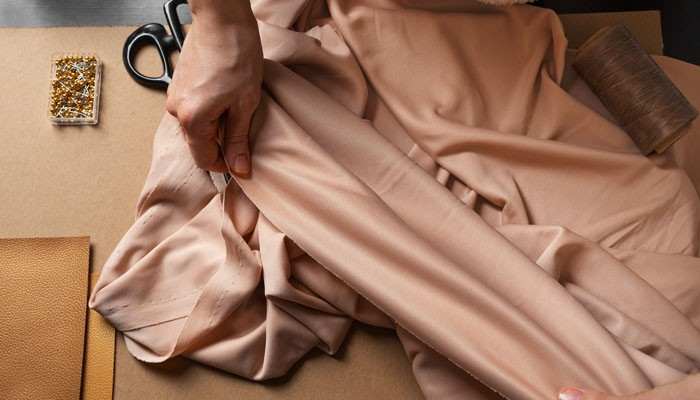
A complete buying decision requires understanding its weaknesses as well.
1. Sensitive to High Heat: Never assume acetate can tolerate the same ironing temperature as cotton. Government textile-care guidance recommends a low ironing temperature for acetate, with a maximum of around 110°C (230°F) under the referenced symbol system.
2. Lower Abrasion Resistance: Repeated rubbing can cause visible wear faster than with tougher materials such as polyester or nylon. That makes pure acetate less attractive for clothing exposed to constant friction or rough everyday use.
3. Requires Careful Washing: Some acetate items can be washed carefully, while other garments are marked dry-clean only because of their construction, finishes, dyes, trims, or interlinings. Always follow the actual garment label.
4. Solvent Sensitivity: Acetone can damage acetate fibers. This makes products such as some nail-polish removers particularly risky around acetate clothing.
5. Limited Natural Stretch: Pure acetate is generally not the best choice when a garment needs strong stretch and recovery.
What Is Acetate Fabric Used For?
The material performs best when appearance and drape matter more than rugged durability.
1. Clothing
Common fashion applications include:
- Evening dresses
- Formal gowns
- Blouses
- Skirts
- Scarves
- Occasion wear
- Lightweight fashion garments
2. Garment Linings
This is one of acetate’s most practical applications. Its smooth surface allows a lined jacket, coat, dress, or skirt to move more easily over the clothes or skin underneath.
3. Bridal and Occasion Wear
The combination of sheen and drape makes acetate useful in selected bridal, evening, and special-event garments.
4. Home Textiles
Depending on construction, acetate may also appear in decorative fabrics, curtains, draperies, and furnishings.
Acetate vs. Silk vs. Polyester vs. Rayon
Choosing a textile becomes easier when you compare fibers according to how you actually plan to use the garment.
| Feature | Acetate | Silk | Polyester | Viscose/Rayon |
| Origin | Cellulose-based manufactured fiber | Natural protein fiber | Synthetic polymer | Regenerated cellulose |
| Feel | Smooth, silky | Soft and luxurious | Varies widely | Soft and fluid |
| Sheen | High | Naturally lustrous | Varies | Usually softer sheen |
| Drape | Excellent | Excellent | Good to excellent | Excellent |
| Heat sensitivity | High | Requires care | Generally more durable | Requires care |
| Abrasion durability | Relatively low | Moderate | Usually high | Moderate to low |
| Typical price | Moderate | Usually expensive | Often affordable | Affordable to moderate |
| Common use | Linings and formalwear | Luxury clothing | Everyday apparel | Dresses, tops and linings |
These are general characteristics rather than guarantees. Fabric construction, quality, finishing, blends, and garment design can substantially affect performance.
Acetate vs. Triacetate: Are They the Same?
No. Both belong to the cellulose acetate family, but acetate and triacetate are recognized as different generic textile fiber names.
The FTC defines acetate as a manufactured fiber whose fiber-forming substance is cellulose acetate. The term triacetate may be used when at least 92% of the cellulose hydroxyl groups are acetylated.
In everyday use, triacetate is generally valued for better heat resistance and dimensional stability than standard acetate. It can also be useful in fabrics designed to retain pleats.
If a clothing label says triacetate, do not automatically assume it has exactly the same properties or care requirements as ordinary acetate.
Is Acetate Fabric Breathable?
This question needs a more careful answer than a simple yes or no. Acetate is not usually the first choice when maximum moisture absorption and airflow are priorities. Lightweight acetate clothing may still feel comfortable because the fabric can be thin, smooth, and loosely constructed.
Breathability also depends heavily on:
- Fabric thickness
- Weave or knit structure
- Garment fit
- Fiber blends
- Lining
- Finishing treatments
For very hot conditions or heavy physical activity, breathable natural fibers or purpose-built performance fabrics may be more practical. For an evening dress in an air-conditioned setting, acetate may be perfectly comfortable.
Is Acetate Fabric Good for Summer?
It can be, but the answer depends on the garment. A lightweight, loose acetate blouse or dress may feel pleasant in warm conditions because it is smooth and light. A tightly woven acetate garment with several layers may feel much warmer.
Consider the whole garment rather than judging comfort from the fiber name alone.
Does Acetate Fabric Wrinkle?
Acetate can develop creases, particularly after folding, pressure, or improper storage. The challenge is that you cannot simply attack those wrinkles with a very hot iron.
For light wrinkles, follow the garment’s care label and use the lowest appropriate heat setting. A pressing cloth can provide extra protection where suitable.
Does Acetate Fabric Shrink?
Improper heat, washing, or drying can affect acetate garments. The safest approach is not to rely on a general claim that acetate “does” or “doesn’t” shrink. Garment construction, blends, finishing, dyes, and manufacturing methods all matter. Follow the care label on the specific item.
How to Wash Acetate Fabric
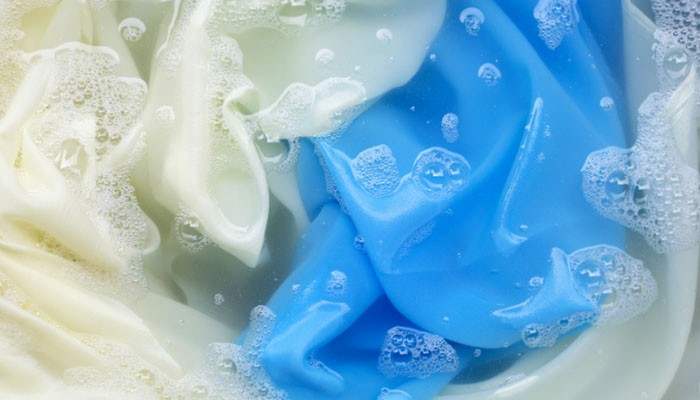
The care label comes first. If it says dry clean only, do not substitute a home-washing method simply because another acetate garment can be washed.
If the manufacturer permits hand washing:
- Use cool water.
- Choose a mild detergent.
- Avoid aggressive rubbing.
- Do not twist or wring the garment.
- Rinse gently.
- Support the wet garment carefully.
- Dry according to the care label.
Machine washing should only be used when the garment manufacturer specifically allows it.
How to Dry Acetate Safely
High heat is the main concern. Avoid putting an acetate garment into a hot dryer unless its care instructions specifically permit tumble drying.
Depending on the garment, air drying may be the safer option. Keep the item away from direct high heat and handle it carefully while wet.
How to Iron Acetate Fabric
Ironing is where many acetate garments are accidentally damaged.
For safer pressing:
- Read the care label first.
- Use a low-temperature setting.
- Turn the garment inside out when appropriate.
- Consider using a clean pressing cloth.
- Avoid holding the iron in one place.
- Test an inconspicuous section first when uncertain.
General Canadian consumer care-symbol guidance associates acetate with low-temperature ironing not exceeding approximately 110°C. Never increase the temperature simply because a stubborn crease remains.
Acetate Fabric Care: What to Avoid
A few simple habits can extend the useful life of acetate garments.
Avoid:
- High-temperature ironing
- Hot tumble drying
- Aggressive scrubbing
- Wringing wet garments
- Long-term friction against rough surfaces
- Acetone and acetone-containing products
- Ignoring dry-clean-only instructions
Correct care matters more with acetate than with many rugged everyday textiles.
How to Store Acetate Clothing
Before storing a garment, make sure it is clean and fully dry. For dresses, blouses, and formalwear:
- Use a suitable padded or smooth hanger when hanging is recommended.
- Avoid overcrowding the wardrobe.
- Keep garments away from heat.
- Protect special-occasion clothing from dust.
- Do not place rough accessories against delicate acetate surfaces.
- Fold items carefully if their construction makes hanging unsuitable.
Good storage helps reduce unnecessary creasing and abrasion.
Is Acetate Fabric Sustainable?
Acetate requires a nuanced environmental assessment. The cellulose feedstock can come from plant material such as wood pulp, which separates acetate from petroleum-based fibers such as conventional polyester. However, a plant-based starting material does not automatically make a finished textile sustainable.
Environmental performance also depends on:
- Where the cellulose comes from
- Forest and land-management practices
- Chemical processing
- Solvent management and recovery
- Manufacturing energy
- Water use
- Dyeing and finishing
- Product durability
- Blended fibers
- Transportation
- End-of-life conditions
Claims such as “eco-friendly,” “biodegradable,” or “sustainable” should therefore be evaluated carefully rather than assumed from the word acetate alone.
For shoppers, credible fiber sourcing, transparent manufacturing information, certifications where relevant, and garment durability can be more useful signals than broad green marketing language.
How to Identify Acetate When Shopping
Trying to identify fiber content from appearance alone is unreliable. Instead, check the garment label.
In the United States, textile labeling rules generally require covered products to identify constituent fibers by their generic names and percentages, along with other required information.
For example, a label might read:
96% Acetate, 4% Spandex
This tells you much more than touching the fabric and guessing whether it is silk, polyester, or acetate.
Should You Buy Acetate Clothing?
Acetate Fabric is a good option when your priorities include:
- Elegant drape
- Smooth texture
- Lightweight clothing
- A lustrous finish
- Formal or occasion wear
- Smooth garment linings
Consider another material when you primarily need:
- Heavy-duty durability
- High abrasion resistance
- Easy high-temperature care
- Sports performance
- Frequent rough washing
- Strong natural stretch
The best fabric is not the one with the longest list of benefits. It is the one whose properties fit the way you intend to use it.
Conclusion
Acetate Fabric earns its place in modern fashion because it combines a smooth feel, elegant sheen, lightweight construction, and excellent drape. These qualities make it particularly useful for formal dresses, blouses, special-occasion garments, and smooth linings.
Its weaknesses are equally important. Acetate does not respond well to excessive heat, rough abrasion, or careless cleaning, and acetone can damage the fiber. Reading the fiber-content and care labels before washing or pressing is therefore essential.
For shoppers in 2026, the best approach is to judge Acetate Fabric according to the job it needs to perform. If you want a flowing, polished textile and are willing to care for it properly, acetate can be an excellent choice. If you need rugged, low-maintenance clothing for frequent wear, a more durable fiber may serve you better.
Acetate Fabric FAQs
1. Is acetate a natural or synthetic fabric?
Acetate is a manufactured cellulosic fiber. Its cellulose can originate from plant material such as wood pulp, but that cellulose undergoes chemical modification to become cellulose acetate. It is commonly described as semi-synthetic rather than a natural fiber like cotton or silk.
2. Is Acetate Fabric the same as silk?
No. They may look and feel similar in some fabric constructions, but silk is a natural protein fiber produced by silkworms, while acetate is manufactured from cellulose acetate.
4. Is acetate better than polyester?
Neither is universally better. Acetate is valued for smoothness, sheen, and drape, while polyester is generally more suitable where durability and easy maintenance are important. The better option depends on the garment.
5. Is acetate comfortable to wear?
It can be very comfortable in lightweight, loose-fitting clothing because of its smooth surface and fluid drape. Comfort still depends on the weave, garment design, weather, lining, and fiber blend.
6. Can Acetate Fabric be machine washed?
Only when the garment’s care label permits it. Some acetate products can tolerate careful washing, while structured or delicate garments may require professional cleaning.
7. Can you iron acetate?
Yes, if the care label permits ironing, but use low heat. Excessive heat can permanently damage acetate fibers.
8. Does acetate stretch?
Standard acetate has limited elasticity. Stretch acetate garments normally gain flexibility through elastane/spandex, another fiber blend, or their fabric construction.
9. Is acetate good for dresses?
Yes. Its fluid drape, lightweight feel, smooth surface, and attractive sheen make it especially useful for dresses and formalwear.
10. Is acetate good for everyday clothing?
It can be used for everyday fashion, but it is less suitable for garments exposed to constant friction or rough treatment because its abrasion resistance is relatively low.
11. What happens if acetone gets on acetate?
Acetone can damage cellulose acetate. Keep acetate garments away from acetone-containing products, including some nail-polish removers.
12. What is the difference between acetate and rayon?
Both are manufactured cellulosic fibers, but they are chemically different. Rayon is based on regenerated cellulose, while acetate’s fiber-forming material is cellulose acetate. Their dyeing, heat response, moisture behavior, and care requirements can therefore differ.
13. Is acetate the same as satin?
No. Acetate is a fiber; satin is a weave. Satin fabric can be made using acetate, silk, polyester, or other fibers. This distinction is important when reading product descriptions.
