
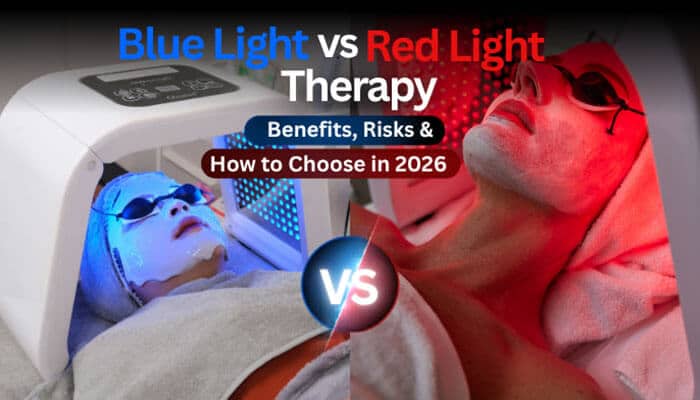

If you have ever stood in a skincare aisle or scrolled through wellness apps, you have probably seen LED light therapy devices everywhere. The two most talked-about options right now are blue light and red light therapy. But what is the real difference between them, and which one actually works for your specific problem? Understanding blue light vs red light therapy is not as complicated as it sounds, and once you get it, you will know exactly which one your body needs.
These two therapies use different wavelengths of light to target different layers of your skin and body. Blue light vs red light therapy is not a competition; they are two separate tools built for two separate jobs. Blue light works on the surface, fighting bacteria and breakouts. Red light goes deeper, working on inflammation, tissue repair, and even joint pain. Think of it like a toolbox. You would not use a hammer to tighten a screw.
In 2026, light therapy has become one of the fastest-growing areas in both medical treatment and at-home skincare. Dermatologists, pain clinics, and even dentists are using these therapies more than ever before. This guide will walk you through everything you need to know about blue light vs red light therapy, what each one does, who it is best for, what the risks are, and how to pick the right one for you. No confusing medical jargon. Just clear, useful information.
What Is Light Therapy and How Does It Work?
Light therapy, also called phototherapy or LED therapy, uses specific wavelengths of light to trigger biological responses inside your body. Different colors of light have different wavelengths, and those wavelengths reach different depths beneath the skin.
When light enters your skin, it is absorbed by cells called chromophores. These cells convert the light energy into cellular energy, which then kicks off various healing and repair processes. Scientists call this process photobiomodulation.
Here is a simple breakdown of how light wavelengths work:
| Color of Light | Wavelength Range | Depth of Penetration |
| Blue Light | 400 – 495 nm | Surface level (epidermis) |
| Green Light | 495 – 570 nm | Shallow mid-layer |
| Red Light | 620 – 750 nm | Deep dermis layer |
| Near-Infrared | 750 – 1100 nm | Muscle and bone level |
The key point in the blue light vs red light therapy debate is penetration depth. Blue light stays near the surface. Red light reaches deeper. That single difference determines everything about how each one is used.
Blue Light Therapy: What It Is and How It Works
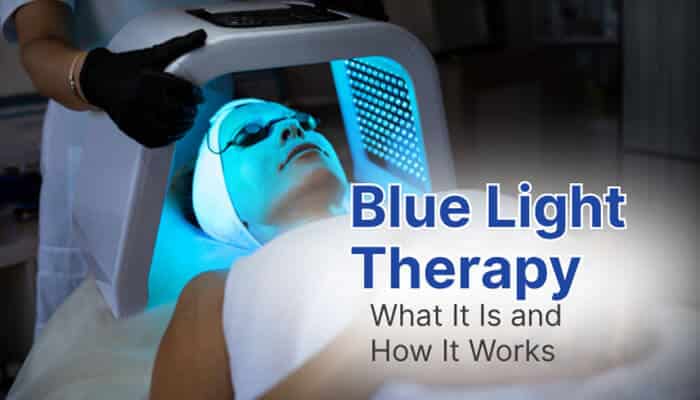
Blue light therapy uses wavelengths between 400 and 495 nanometers. This range of light is powerful enough to destroy a specific type of bacteria called Propionibacterium acnes (now called Cutibacterium acnes), the main bacteria responsible for acne breakouts.
When blue light hits this bacteria, it activates a compound inside the bacteria called porphyrins. Once activated, porphyrins produce a toxic reaction that destroys the bacteria from the inside out without any chemicals, needles, or harsh treatments.
What Blue Light Therapy Is Used For
- Acne treatment: Kills the bacteria that causes pimples and cysts
- Sebaceous gland control: Reduces oil production in skin
- Precancerous skin lesions: Used medically alongside a photosensitizing agent (called PDT or Photodynamic Therapy)
- Mood and sleep regulation: Morning blue light exposure helps reset your circadian rhythm
- Seasonal Affective Disorder (SAD): Bright light therapy boxes use blue-spectrum light
- Psoriasis and eczema: In some clinical cases, under supervision
How Blue Light Therapy Is Delivered
Blue light therapy can be done in a clinic or at home using:
- LED face masks (popular at-home devices)
- Handheld blue light wands
- Clinical lamps for photodynamic therapy
- Light therapy boxes for mood and sleep
Red Light Therapy: What It Is and How It Works
Red light therapy uses wavelengths between 620 and 750 nanometers. Near-infrared light (750–1100 nm) is often grouped with red light therapy because it works the same way, just at a deeper level.
Red light is absorbed by mitochondria, the energy-producing centers inside your cells. When mitochondria absorb red light, they produce more adenosine triphosphate (ATP), which is the fuel your cells use to do everything: Repair damage, reduce inflammation, and build new tissue.
This is why red light therapy has such a wide range of uses. Every time your body needs to heal something, a wound, a joint, a wrinkle, it needs energy. Red light gives your cells more of that energy.
What Red Light Therapy Is Used For
- Anti-aging and wrinkle reduction: Stimulates collagen and elastin production
- Wound healing: Speeds up skin repair after cuts, surgery, or injury
- Joint pain and arthritis: Reduces inflammation in deep tissues
- Muscle recovery: Used by athletes to reduce soreness after workouts
- Hair loss: Approved low-level laser therapy (LLLT) devices promote hair growth
- Chronic pain: Helps with conditions like fibromyalgia and lower back pain
- Inflammation reduction: Shown to reduce systemic inflammation markers
- Thyroid support: Some early research suggests benefits for thyroid function
How Red Light Therapy Is Delivered
Red light therapy can be done in clinics or at home using:
- Full-body red light panels
- Handheld red light devices
- Red light face masks
- Infrared saunas (use near-infrared light)
- Clinical cold laser therapy (LLLT)
Blue Light vs Red Light Therapy: A Complete Side-by-Side Comparison
When comparing blue light vs red light therapy, the differences are clear once you line them up side by side.
| Feature | Blue Light Therapy | Red Light Therapy |
| Wavelength | 400 – 495 nm | 620 – 750 nm |
| Skin Depth | Surface (epidermis) | Deep (dermis + beyond) |
| Primary Use | Acne, bacteria, mood | Collagen, pain, healing |
| Best For | Oily/acne-prone skin | Aging, injury, pain |
| At-Home Use | Yes | Yes |
| Clinical Use | Yes (PDT, SAD) | Yes (LLLT, pain clinics) |
| Sessions Needed | 2–3 per week | 3–5 per week |
| Results Timeline | 4–8 weeks for acne | 6–12 weeks for skin aging |
| Risk of Burns | Low (with proper use) | Very low |
| Eye Protection | Required | Required |
| Good for Sensitive Skin | Use with caution | Generally better tolerated |
| Anti-Aging Benefits | Minimal | Strong |
| Acne Benefits | Strong | Moderate (reduces inflammation) |
| FDA Clearance | Yes (acne, PDT) | Yes (pain, wound healing) |
Benefits of Blue Light Therapy
Let us look closely at what blue light therapy actually delivers when used correctly.
1. Powerful Acne Fighter
The biggest reason people choose blue light therapy is acne. Multiple clinical studies show that blue light kills acne-causing bacteria on the skin. A 2022 review published in the Journal of Cosmetic Dermatology found that blue light therapy reduced acne lesions by 64–77% in patients who completed a full treatment course.
What makes it valuable is that it works without antibiotics. In a world where antibiotic resistance is a growing concern, having a non-drug option for acne is genuinely useful.
2. Controls Excess Oil
Blue light therapy also targets the sebaceous glands, the oil-producing glands beneath your skin. Overactive sebaceous glands are one of the root causes of acne. Regular blue light sessions can shrink these glands and reduce oil output, which leads to fewer breakouts over time.
3. Treats Precancerous Skin Lesions (PDT)
When combined with a topical photosensitizing cream (5-aminolevulinic acid or ALA), blue light is used in Photodynamic Therapy to destroy precancerous skin cells called actinic keratoses. This is a well-established medical treatment performed by dermatologists.
4. Supports Circadian Rhythm and Mood
Morning exposure to blue-spectrum light helps regulate the body’s internal clock. This is why light therapy boxes used for Seasonal Affective Disorder (SAD) work so well, they mimic morning sunlight and signal to the brain that it is time to be alert and awake.
5. Non-Invasive and Pain-Free
Blue light therapy is completely non-invasive. There are no injections, no surgery, and no recovery time. Most people complete sessions in 10–20 minutes.
Benefits of Red Light Therapy
Red light therapy’s benefits go far deeper, literally.
1. Stimulates Collagen Production
Collagen is the protein that keeps your skin firm, plump, and youthful. After age 25, collagen production naturally declines. Red light therapy activates fibroblasts, the cells responsible for making collagen, and increases collagen production in the dermis.
A 2014 study published in Photomedicine and Laser Surgery found that participants who used red light therapy saw significant improvements in skin complexion, skin feeling, and collagen density after just 30 sessions.
2. Reduces Chronic Pain and Inflammation
Red light therapy has strong evidence behind its ability to reduce inflammation. It works by decreasing pro-inflammatory cytokines and increasing anti-inflammatory ones. This makes it valuable for people dealing with:
- Arthritis
- Lower back pain
- Tendinitis
- Post-surgical inflammation
- Sports injuries
3. Speeds Up Wound Healing
Red light increases circulation to damaged tissue and accelerates the production of new blood vessels (angiogenesis). This means wounds close faster, scars form better, and tissue heals more cleanly. Hospitals and rehabilitation centers increasingly use red light panels as part of post-operative recovery plans.
4. Supports Muscle Recovery
Athletes have been using red light therapy for years. Research from the Lasers in Medical Science journal shows that red light therapy applied before or after exercise reduces muscle fatigue, soreness, and recovery time. Many professional sports teams now include red light panels in their training facilities.
5. Promotes Hair Growth
FDA-cleared low-level laser therapy (LLLT) devices that emit red and near-infrared light have been proven to stimulate hair follicles and increase hair thickness in people with androgenetic alopecia (pattern baldness). Devices like laser combs and helmets use this technology.
6. Improves Sleep Quality
Unlike blue light (which wakes you up), red light in the evening does not suppress melatonin. Some research even suggests that red light therapy before bed improves sleep quality and duration by promoting melatonin production. This makes blue light vs red light therapy a direct contrast when it comes to sleep.
Risks and Side Effects: Blue Light vs Red Light Therapy
Both therapies are considered safe when used correctly. But like any medical or wellness tool, they come with important precautions.
Blue Light Therapy Risks
- Eye sensitivity: Blue light can damage retinal cells with prolonged direct exposure. Always use proper eye protection.
- Skin dryness or irritation: Overuse can cause temporary redness and dryness.
- Photosensitivity reactions: People taking certain medications (tetracyclines, retinoids) may have stronger reactions to blue light.
- Not suitable for dark skin tones in high doses: Some research notes a higher risk of hyperpigmentation with aggressive blue light use.
- Disrupted sleep if used in the evenings: Blue light suppresses melatonin. Never use blue light therapy devices at night.
Red Light Therapy Risks
- Eye sensitivity: Direct eye exposure should always be avoided.
- Skin redness or warmth: Temporary and usually mild, especially with near-infrared frequencies.
- Overuse risks: Too many sessions can cause mild tissue stress instead of helping. Stick to recommended protocols.
- Not recommended for active cancer patients: Red light therapy stimulates cell growth, which could theoretically accelerate tumor growth (though research is still limited).
- Interference with photosensitizing drugs: Similar to blue light, some medications increase sensitivity.
Who Should Avoid Both Therapies
- Pregnant women (until more safety data exists)
- People with lupus or other photosensitivity conditions
- Anyone taking porphyrin-based medications
- People with active skin infections (other than acne, for blue light)
Can You Use Blue Light and Red Light Therapy Together?
Yes, and in many cases, combining blue light vs red light therapy into one routine gives you better results than using either alone.
Here is how they work together:
- Blue light kills the bacteria causing acne
- Red light reduces the inflammation that makes acne painful and visible
- Together, they address both the cause (bacteria) and the result (inflammation and redness)
Many professional skincare devices now combine both wavelengths in a single mask or panel. You can also alternate sessions:
- Morning or early afternoon: Blue light session (great for acne treatment)
- Evening: Red light session (great for healing and collagen, plus no melatonin disruption)
If you are investing in an at-home device, a combination LED mask with both blue and red settings gives you the most flexibility.
How to Choose Between Blue Light vs Red Light Therapy
Choosing between blue light vs red light therapy comes down to one question: What is your main goal?
Choose Blue Light Therapy If You Want To
- Clear up acne and reduce breakouts
- Reduce oily skin and clogged pores
- Treat or prevent acne scars from forming
- Boost your mood and energy in the morning
- Address seasonal depression or sleep cycle issues
Choose Red Light Therapy If You Want To
- Reduce fine lines and wrinkles
- Improve skin texture and firmness
- Speed up recovery from injury or surgery
- Manage chronic joint pain or arthritis
- Promote hair regrowth
- Improve sleep quality
- Recover faster from intense workouts
Choose Both If You
- Have acne-prone skin that is also aging
- Want a comprehensive skincare routine
- Are dealing with acne that also causes scarring or inflammation
At-Home Devices vs Professional Treatments: Which Is Better?
The blue light vs red light therapy debate also plays out when deciding between clinic visits and at-home devices.
| Factor | At-Home Device | Professional Treatment |
| Cost | $50 – $500 one-time | $50 – $300 per session |
| Convenience | Use anytime at home | Requires appointments |
| Intensity | Lower (FDA-regulated) | Higher clinical strength |
| Results Speed | Slower | Faster initial results |
| Long-term Cost | Lower | Much higher |
| Supervision | None | Expert guidance |
| Best Use Case | Maintenance, mild-moderate concerns | Severe acne, medical PDT, chronic pain |
For mild to moderate concerns, at-home devices are genuinely effective and far more affordable in the long run. For severe acne, precancerous lesions, or significant chronic pain, professional treatment will deliver faster and more powerful results.
Latest Research on Blue Light vs Red Light Therapy
The science behind blue light vs red light therapy has grown significantly in recent years. Here is where the research stands in 2026:
Blue Light Research Highlights:
- A 2024 meta-analysis confirmed blue light therapy’s effectiveness for mild-to-moderate acne, with fewer side effects than topical antibiotics.
- Research continues into blue light’s role in wound disinfection and oral health (blue light toothbrushes are now a growing product category).
- New studies are examining blue light therapy’s role in treating drug-resistant skin infections.
Red Light Research Highlights:
- Neurological research is exploring red light therapy’s potential to reduce symptoms of Alzheimer’s and Parkinson’s disease by improving mitochondrial function in brain cells.
- A 2025 clinical trial showed significant reduction in chronic lower back pain in 78% of patients treated with near-infrared light over 12 weeks.
- Sports medicine research continues to confirm red light therapy’s value in muscle recovery and athletic performance.
Combined Therapy Research:
- Studies increasingly support combination blue/red light as superior to either alone for acne treatment, showing both fewer lesions and faster healing.
Practical Tips for Using Blue Light vs Red Light Therapy Safely
Whether you choose a clinic or an at-home device, follow these guidelines to get the best results safely:
General Safety Tips:
- Always wear protective goggles during sessions
- Start with shorter sessions (5–10 minutes) and build up gradually
- Clean your skin before each session, oils and products can interfere with light penetration
- Do not use blue light in the evening (disrupts sleep)
- Do not use red light on open wounds or active infections without medical guidance
- Moisturize after sessions to prevent dryness
- Be patient results take weeks, not days
Frequency Recommendations:
| Therapy | Recommended Frequency | Session Length |
| Blue Light (Acne) | 3–5 times per week | 10–20 minutes |
| Red Light (Anti-Aging) | 3–5 times per week | 10–20 minutes |
| Red Light (Pain) | Daily or every other day | 15–30 minutes |
| Combined Blue/Red | 3–4 times per week | 15–25 minutes |
Final Thoughts
Understanding blue light vs red light therapy gives you a real advantage when making decisions about your skin and health. These are two genuinely powerful tools backed by real science, supported by dermatologists and medical professionals, and increasingly accessible to everyday people through affordable at-home devices.
To keep it simple: if your skin is breaking out, start with blue light. If you want to reverse signs of aging, recover from injury, or improve your overall wellness, start with red light. And if you want the best of both worlds, combine them.
The key is consistency. Light therapy is not a one-session fix. It is a habit like exercise or good nutrition. The more consistently you use it, the better your results will be.
With more research being published every year and devices becoming more effective and affordable, blue light vs red light therapy is no longer just for celebrities and athletes. In 2026, it is a realistic, science-backed option for anyone who wants to take better care of their skin and body.
Blue Light vs Red Light Therapy FAQs
1. Is blue light or red light therapy better for acne?
2. Can I use red light therapy every day?
Yes, for most people daily use is safe when sessions are kept to the recommended duration. However, starting every other day and building up is a smart approach.
3. Does blue light therapy hurt?
No. Blue light therapy is painless. You may feel mild warmth, but there is no discomfort when used correctly.
4. How long before I see results from red light therapy?
Most people notice improvements in skin texture and tone within 6–8 weeks of consistent use. For pain relief, some people feel improvement within the first few sessions.
5. Is at-home red light therapy as good as professional treatment?
At-home devices are effective for maintenance and mild to moderate concerns. Professional devices are more powerful and better suited for severe or complex conditions.
6. Can blue light therapy damage skin?
When used as directed, blue light therapy does not damage healthy skin. Overuse or improper use (without eye protection, at night) can cause issues.
7. Is red light therapy FDA approved?
Yes. The FDA has cleared red light therapy devices for multiple uses including wrinkle reduction, wound healing, and pain management.
