


You wash your face every night. You use the serum your dermatologist recommended. You even switched your body wash because someone on TikTok said it was clogging your pores. And yet, the breakouts keep showing up in the same spots cheek, jawline, right where your face meets the pillow. At this point, you start wondering: Do silk pillowcases really help with acne?
At some point, you probably typed some version of do silk pillowcases help with acne into Google, half-hoping the fix was this simple. It’s a fair question. You spend seven or eight hours a night with your face pressed against fabric, and that fabric touches your skin far longer than any cream or cleanser does. So it makes sense to wonder whether the fix for stubborn breakouts has been sitting under your head the whole time.
This article looks at what’s actually happening on a pillowcase overnight, what dermatologists say about silk specifically, and where the marketing claims outrun the actual evidence. No exaggeration, no “miracle cure” talk just a clear, practical answer so you can decide whether switching to silk is worth it for your skin.
What’s Really Happening on Your Pillowcase Every Night
Before getting into silk, it helps to understand what your pillowcase is dealing with while you sleep.
Every night, your face sheds oil, sweat, dead skin cells, and traces of whatever skincare or makeup you didn’t fully remove. Your pillowcase absorbs a portion of that. Depending on the fabric, some of it also gets pushed back onto your skin as you move your head around during sleep.
Here’s what tends to build up on a used pillowcase:
- Sebum (natural facial oil)
- Dead skin cells
- Sweat and drool
- Leftover skincare products
- Hair oils and styling products
- Dust, dust mites, and general bedroom allergens
- Bacteria that feed on all of the above
None of this is unique to silk or cotton it happens with any fabric. The real question is which fabric handles this buildup in a way that’s gentler on acne-prone skin, and which one makes things worse.
Do Silk Pillowcases Help with Acne?

Yes, silk pillowcases can genuinely help with acne but they help indirectly, not the way a cure would.
Silk doesn’t treat acne. It doesn’t unclog pores, kill acne-causing bacteria, or replace a skincare routine. What it does is reduce two specific irritants that make acne-prone skin worse: friction and moisture loss. Several board-certified dermatologists have pointed to silk (and satin) as gentler choices for acne-prone skin for exactly this reason, while also being upfront that a pillowcase alone won’t clear up breakouts.
So if someone tells you a silk pillowcase will cure your acne, that’s an overstatement. If someone tells you it can reduce one of the small, daily irritants that keeps your skin inflamed, that’s closer to accurate, and it’s the version dermatologists actually stand behind.
Why Silk Is Different From Cotton (and Why That Matters for Acne)
Cotton is one of the most common pillowcase fabrics, and it’s also one of the more absorbent ones. That absorbency is great for towels. It’s less great for a surface your face rests on for hours.
Here’s the comparison that actually matters for acne-prone skin:
| Feature | Cotton | Silk |
| Absorbs facial oil & moisturizer | High pulls product off your skin | Low leaves more product on your skin |
| Surface friction on skin | Higher can tug and irritate active breakouts | Lower glides against skin |
| Bacteria and oil buildup | Builds up faster between washes | Builds up more slowly |
| Breathability | Moderate | Good |
| Hypoallergenic | Not inherently | Naturally hypoallergenic |
| Recommended wash frequency | Every 2–3 days | About once a week |
| Cost | Low | Higher |
The friction piece is worth slowing down on. Acne lesions are already inflamed. When a rougher fabric drags across an active breakout all night, every night, it can add mechanical irritation on top of that inflammation similar to how rubbing a scrape instead of leaving it alone slows healing. A smoother surface simply doesn’t do that as much.
The moisture piece matters too. If you apply a night cream, a retinoid, or a spot treatment before bed, a highly absorbent pillowcase can pull a portion of that product off your face before it has time to work. Silk, being less absorbent, tends to leave more of your skincare where you put it.
What Dermatologists Actually Say (Without the Marketing Spin)
A lot of skincare brands make bold claims about silk pillowcases and acne some even reference clinical studies loosely, without linking to real, peer-reviewed data. It’s worth separating the marketing from what dermatologists genuinely say in interviews and clinical practice.
The realistic, expert-backed view looks like this:
- Silk and satin are gentler than cotton for acne-prone and sensitive skin, mainly due to lower friction.
- Silk doesn’t strip moisture or product the way cotton does, which supports skin hydration.
- Silk has natural hypoallergenic properties and doesn’t easily trap dust mites the way some fabrics do.
- Dermatologists are clear that a pillowcase is a supporting habit, not a treatment it works best alongside an actual skincare routine, not instead of one.
- Evidence specifically proving silk “cures” or “clears” acne is limited. Most of the support is based on how friction and moisture affect already-irritated skin, not on silk having some special antibacterial power over acne bacteria itself.
If you’re dealing with more than occasional breakouts cystic acne, hormonal acne, or acne that isn’t responding to over-the-counter products a silk pillowcase is a reasonable addition to your routine, but it isn’t a substitute for seeing a dermatologist.
The Real Benefits of a Silk Pillowcase for Acne-Prone Skin
To keep things simple, here’s what a genuine, high-quality silk pillowcase can realistically offer someone with acne-prone skin:
- Less mechanical irritation on active breakouts overnight, thanks to a smoother surface
- Better moisture retention, so your face isn’t dehydrated by morning
- Less product absorption, meaning more of your night cream or treatment stays on your skin
- Slower bacteria and oil buildup between washes compared to cotton
- Naturally hypoallergenic fibers, which can help if allergies or sensitivity contribute to your skin issues
- Cooler sleep surface, which can reduce sweating against the face on warm nights
These are small, cumulative benefits. On their own, none of them will clear moderate-to-severe acne. Together, over weeks of consistent use, many people do notice calmer, less irritated skin.
What a Silk Pillowcase Can’t Do
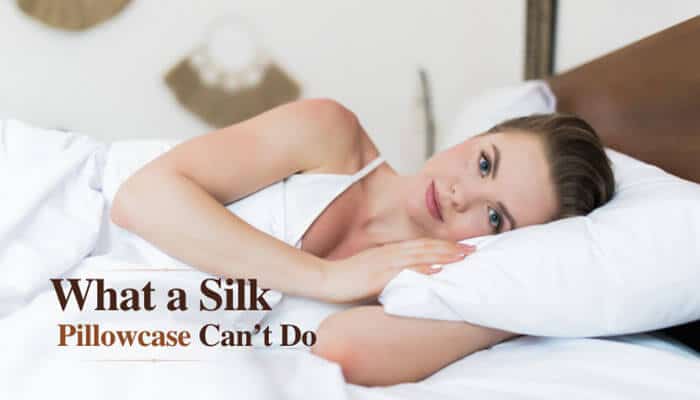
This part rarely gets mentioned on brand websites, but it matters for setting realistic expectations:
- It won’t unclog pores that are already congested.
- It won’t reduce the bacteria (C. acnes) that actually triggers inflammatory acne its benefit is friction and moisture, not antibacterial action on your skin.
- It won’t fix hormonal or cystic acne, which is driven by internal factors, not fabric.
- It won’t replace cleansing, exfoliating, or active ingredients like benzoyl peroxide, salicylic acid, or retinoids.
- It won’t work well if you’re still sleeping with makeup on, skipping your skincare routine, or not washing the pillowcase regularly no fabric fixes those habits.
A silk pillowcase is a supporting player, not the main event. If your acne routine is inconsistent, fixing that will do more than any pillowcase swap.
How to Choose a Silk Pillowcase That Actually Helps With Acne
Not all “silk” pillowcases marketed for acne-prone skin are equal, and a few labeling tricks are worth watching for.
Look for:
- 100% mulberry silk: This is the type most commonly referenced by dermatologists, not blended or synthetic silk
- Momme weight of 19–22: This measures fabric density; higher momme generally means better durability and a smoother surface
- OEKO-TEX certification: Confirms the fabric is tested for harmful substances
- A tight, secure seam: Loose stitching can fray and create rough edges that defeat the purpose
Watch out for:
- “Satin” being sold as “silk-like silk”: Satin is usually a synthetic weave (often polyester), not a natural fiber, and it can trap heat and oil the way cotton does
- Very low momme counts: Thin, low-momme silk wears out fast and loses its smooth benefit within months
- Vague marketing language like “clinically proven to cure acne”, no pillowcase has been shown to cure acne, and claims like this are a red flag, not a credential
How to Use a Silk Pillowcase for the Best Results
Buying the pillowcase is step one. Using it correctly matters just as much:
1. Wash your face before bed a clean face is still the biggest factor in preventing breakouts; silk supports this, it doesn’t replace it.
2. Apply your skincare and let it absorb for a few minutes before lying down, so it soaks into skin rather than the pillowcase.
3. Wash the silk pillowcase weekly using cold water and a gentle, silk-safe detergent even silk builds up oil and residue over time.
4. Avoid sleeping in makeup, since silk reduces friction, not the pore-clogging effect of unremoved makeup.
5. Rotate two or three pillowcases so you always have a clean one while others are being washed.
6. Pair it with your existing treatment, whether that’s an over-the-counter product or something prescribed by a dermatologist. Silk works best as a supporting habit, not a stand-alone fix.
Silk vs. Other Pillowcase Options for Acne
Silk isn’t the only alternative to cotton. Here’s how it stacks up against the other options people consider for acne-prone skin:
| Fabric | Friction Level | Moisture Retention | Best For |
| Cotton | Higher | Low (absorbs product/oil) | Budget-friendly, but needs frequent washing |
| Satin (synthetic) | Low | Moderate, but traps heat | Lower-cost alternative, less breathable |
| Silk (mulberry) | Lowest | High | Acne-prone, sensitive, or dry skin |
| Bamboo | Low | Moderate-high | Those wanting a machine-washable natural option |
| Silver-infused fabric | Moderate | Moderate | Those wanting extra antibacterial support (limited research) |
If cost is the main barrier, a high-quality bamboo or satin pillowcase can offer some of the same friction reduction as silk, even if the moisture and hypoallergenic benefits aren’t quite as strong.
Common Myths About Silk Pillowcases and Acne
| Myth | Fact |
| Silk pillowcases cure acne | Silk reduces friction and product loss; it doesn’t treat the underlying causes of acne |
| All silky-feeling pillowcases are the same | Satin is usually synthetic and behaves more like cotton in terms of oil absorption and heat retention |
| You never need to wash a silk pillowcase | Silk still needs weekly washing to prevent bacteria and oil buildup |
| Silk pillowcases work instantly | Most people report gradual improvement over weeks, not overnight |
| Any dermatologist “recommendation” is backed by real clinical trials | Some brand claims exaggerate limited or small-scale studies check for real sourcing |
The Bottom Line
So, do silk pillowcases really help with acne? Based on what dermatologists actually say, not what marketing pages claim the honest answer sits in the middle. Silk won’t cure acne, and it won’t replace a proper skincare routine or dermatologist-guided treatment. What it can do is remove two small, daily irritants friction and moisture loss that make already-inflamed skin worse.
For anyone dealing with mild to moderate acne, especially breakouts that seem to hang around on one side of the face (often the side you sleep on), switching from cotton to a well-made, 100% mulberry silk pillowcase is a low-risk, evidence-supported change worth trying. Just keep your expectations realistic, wash it regularly, and treat it as one part of your skincare routine not the whole plan.
Do Silk Pillowcases Really Help with Acne FAQs
1. Do silk pillowcases help with acne if I already have a good skincare routine?
Yes, they can still help. Silk mainly reduces friction and product absorption, which supports a skincare routine rather than replacing it. Think of it as one more habit stacked on top of the ones you already have.
2. How long does it take to see results from switching to a silk pillowcase?
Most people who notice a difference report it after two to four weeks of consistent use, alongside their regular skincare routine. Since silk reduces irritation rather than treating acne directly, changes tend to be gradual.
3. Is silk better than satin for acne-prone skin?
Generally, yes. Real silk is a natural, breathable fiber, while most satin is synthetic and can trap heat and oil similarly to cotton. If budget allows, silk is the stronger choice for acne-prone skin.
4. Can a silk pillowcase help with acne scars too?
It may help prevent new irritation that can worsen the appearance of scars, since less friction means less aggravation of healing skin. It won’t fade existing scars that requires targeted treatments like retinoids, exfoliating acids, or in-office procedures.
5. How often should I wash a silk pillowcase to keep it acne-friendly?
About once a week, using cold water and a gentle detergent. Since silk absorbs less oil than cotton, it can go longer between washes, but skipping it entirely defeats the purpose.
6. Do dermatologists actually recommend silk pillowcases for acne?
Many dermatologists mention silk (and satin) as a gentler option for acne-prone or sensitive skin, mainly due to reduced friction and moisture retention. Most are also clear that it’s a supportive habit, not a replacement for treatment.
