
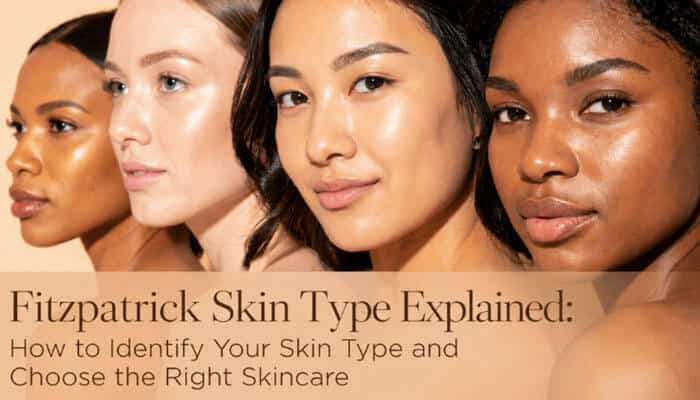

Have you ever wondered why your friend tans easily in the sun while you turn red in minutes? Or why some people never seem to get sunburned no matter how long they stay outside? The answer often comes down to something called the Fitzpatrick Skin Type, a simple but powerful system that helps explain how your skin reacts to ultraviolet (UV) light.
The Fitzpatrick Skin Type scale was created in 1975 by a Harvard dermatologist named Dr. Thomas Fitzpatrick. He designed it originally to help doctors figure out the right dose of UV light for treating skin conditions like psoriasis and vitiligo. But over time, it became one of the most widely used tools in dermatology, cosmetic medicine, and skincare. Today, doctors, estheticians, laser technicians, and even skincare brands use the Fitzpatrick Skin Type system to recommend treatments, sunscreens, and products that are safe and effective for different skin tones.
What makes the Fitzpatrick Skin Type system so useful is that it goes beyond just “light” or “dark” skin. It looks at how your skin actually behaves when it meets sunlight, does it burn, tan, or both? Understanding your own Fitzpatrick Skin Type can help you make smarter choices about sun protection, skincare products, laser treatments, and chemical peels. In this guide, we’ll break down all six skin types in simple, easy-to-understand language even a middle schooler can follow along, so you can figure out exactly where you fall on the scale and what that means for your skin.
What Is the Fitzpatrick Skin Type Scale?
The Fitzpatrick Skin Type scale is a classification system that divides human skin into six categories, Type I through Type VI. Each type is based on two things:
1. Your skin’s natural color (how much melanin you have)
2. How your skin reacts to sun exposure (does it burn, tan, or both?)
Melanin is the pigment (color) in your skin. The more melanin you have, the darker your skin is, and generally, the better protected it is from UV rays. People with less melanin tend to burn faster and have a higher risk of sun damage.
The 6 Fitzpatrick Skin Types: A Complete Breakdown
Here is a full overview of all six Fitzpatrick Skin Types in a simple table:
| Fitzpatrick Skin Type | Skin Tone | Sun Reaction | Common Ancestry |
| Type I | Very fair, pale white | Always burns, never tans | Northern European (Irish, Scottish) |
| Type II | Fair, white | Usually burns, sometimes tans | Northern/Western European |
| Type III | Medium, white to light brown | Sometimes burns, always tans | Southern European, some Asian |
| Type IV | Olive, moderate brown | Rarely burns, always tans | Mediterranean, Hispanic, some Asian |
| Type V | Brown, dark brown | Very rarely burns, tans deeply | South Asian, Middle Eastern, some African |
| Type VI | Dark brown to black | Almost never burns, tans very deeply | African, Afro-Caribbean |
Note: Ancestry is just a general guide. Your individual Fitzpatrick Skin Type is based on how your skin actually behaves, not just where your family is from.
Fitzpatrick Skin Type I: The Fairest of All
What It Looks Like
People with Fitzpatrick Skin Type I have very pale, porcelain-like skin. They often have:
- Red or blonde hair
- Blue, green, or gray eyes
- Freckles that appear easily in the sun
- Visible veins through the skin
How It Reacts to Sun
This skin type always burns and never tans. Even 10–15 minutes of unprotected sun exposure can cause a painful sunburn. People with Type I skin have very little melanin, which means they have almost no natural protection from UV rays.
Skincare Tips for Type I
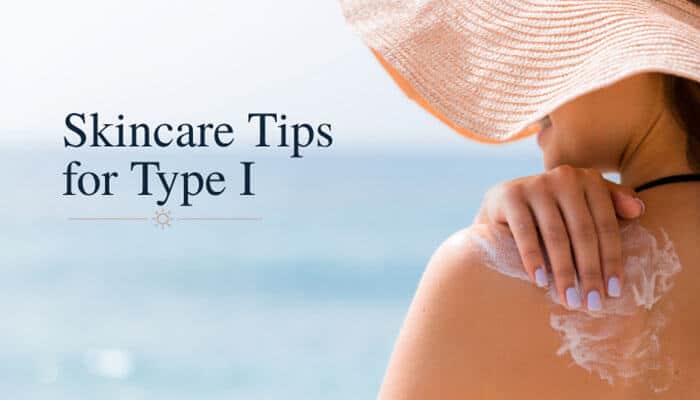
- Always use SPF 50+, no exceptions, even on cloudy days
- Reapply sunscreen every 90 minutes when outdoors
- Wear UV-protective clothing, hats, and sunglasses
- Avoid tanning beds completely, as they dramatically increase skin cancer risk
- Look for skincare products with antioxidants like Vitamin C and niacinamide to help combat UV damage
Fitzpatrick Skin Type II: Fair Skin That Easily Burns
What It Looks Like
Fitzpatrick Skin Type II includes fair-skinned individuals with:
- Blonde, light brown, or red hair
- Blue, hazel, or green eyes
- Light complexion that may have some freckles
- Skin that looks pink or light beige
How It Reacts to the Sun
Type II skin usually burns and only sometimes tans after repeated exposure. The tan that does develop tends to be light and fades quickly.
Skincare Tips for Type II
- SPF 30–50 is recommended daily
- Look for broad-spectrum sunscreens that block both UVA and UVB rays
- Consider mineral sunscreens (zinc oxide, titanium dioxide) for sensitive skin
- Use a gentle moisturizer to help repair skin barrier after sun exposure
- Regular skin checks with a dermatologist are important. Type II has an elevated skin cancer risk
Fitzpatrick Skin Type III: The Middle Ground
What It Looks Like
Fitzpatrick Skin Type III is one of the most common skin types globally. These individuals typically have:
- Light brown to medium beige skin
- Dark blonde to brown hair
- Brown, hazel, or green eyes
- Skin that may or may not have freckles
How It Reacts to Sun
Type III sometimes burns but always tans with enough sun exposure. This is the skin type that can go either way, it depends on the intensity of UV exposure and duration.
Skincare Tips for Type III
- SPF 30 is the daily minimum; go higher for outdoor activities
- This skin type can experience post-inflammatory hyperpigmentation (PIH), dark spots left behind after breakouts or minor injuries
- Use products with niacinamide or alpha-arbutin to prevent uneven skin tone
- Chemical exfoliants (like AHAs) used carefully can help maintain an even complexion
Fitzpatrick Skin Type IV: Olive and Naturally Protected
What It Looks Like
People with Fitzpatrick Skin Type IV tend to have:
- Olive or light brown skin
- Brown or dark brown hair
- Dark brown eyes
- A warm, golden undertone to their complexion
How It Reacts to Sun
Type IV skin rarely burns and always tans. The higher melanin content gives this skin type more natural UV protection compared to Types I–III.
Skincare Tips for Type IV
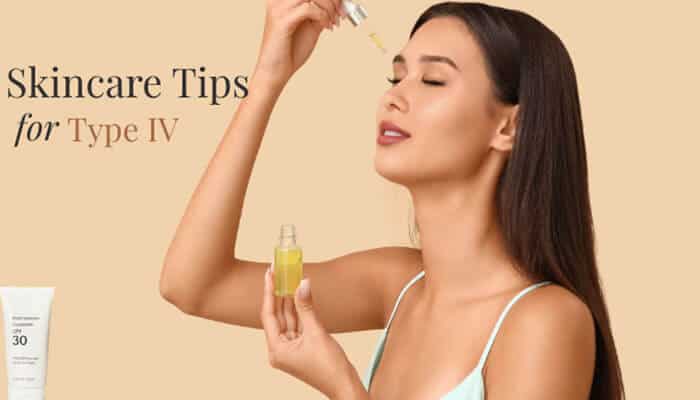
- Daily SPF 30 is still important, as melanin is not 100% sun protection
- This skin type is very prone to hyperpigmentation and dark spots, especially from acne or inflammation
- Avoid harsh treatments that can trigger PIH
- Vitamin C serums and sunscreen together are a powerful combo for keeping skin even-toned
- Laser and light treatments need to be chosen carefully some can cause discoloration on this skin type
Fitzpatrick Skin Type V: Deep Brown Skin
What It Looks Like
Fitzpatrick Skin Type V individuals typically have:
- Medium to dark brown skin
- Dark brown or black hair
- Dark brown eyes
- Rich, warm undertones
How It Reacts to Sun
Type V skin very rarely burns and tans very deeply. The high melanin content provides significant natural protection against UV radiation.
Skincare Tips for Type V
- Still use daily SPF (SPF 30 minimum), UV damage and skin cancer can still occur
- Hyperpigmentation is a major concern; even small cuts, pimples, or irritation can leave dark marks
- Avoid over-exfoliation, which can worsen dark spots
- Look for targeted dark spot treatments, such as kojic acid, tranexamic acid, and azelaic acid, which work well
- When considering cosmetic procedures, always work with professionals experienced with deeper skin tones
Fitzpatrick Skin Type VI: The Deepest Tones
What It Looks Like
Fitzpatrick Skin Type VI is the darkest classification on the scale, typically featuring:
- Very dark brown to deep black skin
- Black hair
- Very dark brown eyes
- Rich, deep undertones
How It Reacts to Sun
Type VI skin almost never burns and has the highest natural UV protection of all skin types. However, this does not mean this skin type is immune to sun damage or skin cancer.
Skincare Tips for Type VI
- SPF is still necessary, as skin cancer in darker skin tones is often diagnosed later, making it more dangerous
- Hyperpigmentation and keloid scarring are the biggest skin concerns
- Harsh chemical peels and certain lasers can cause lasting damage. Always seek dermatologists with expertise in melanin-rich skin
- Moisture retention and barrier repair products are helpful for maintaining skin health
- Products with shea butter, ceramides, and hyaluronic acid tend to work well
How to Find Your Fitzpatrick Skin Type: A Simple Self-Test
Not sure where you fall? Answer these quick questions. Tally your points at the end.
Question 1: What is your natural (untanned) skin color?
- Very white, ivory, or pale → 0 points
- Fair or beige → 1 point
- Light brown or medium beige → 2 points
- Olive or light brown → 3 points
- Brown → 4 points
- Dark brown or black → 5 points
Question 2: What is your natural hair color?
- Red or light blonde → 0 points
- Blonde → 1 point
- Dark blonde or light brown → 2 points
- Dark brown → 3 points
- Black → 4 points
Question 3: What is your eye color?
- Light blue, gray, or green → 0 points
- Blue, gray, or green → 1 point
- Blue with brown flecks → 2 points
- Hazel or light brown → 3 points
- Dark brown → 4 points
- Very dark brown or black → 5 points
Question 4: Do you have freckles?
- Many → 0 points
- Some → 1 point
- Few → 2 points
- Very few → 3 points
- None → 4 points
Question 5: How does your skin react to the sun (first 30 minutes)?
- Always burns painfully, never tans → 0 points
- Usually burns, tans very little → 1 point
- Sometimes burns mildly, gradually tans → 2 points
- Rarely burns, always tans → 3 points
- Very rarely burns, tans easily → 4 points
- Never burns, tans very deeply → 5 points
Your Results:
| Total Score | Fitzpatrick Skin Type |
| 0–6 | Type I or II |
| 7–12 | Type III |
| 13–18 | Type IV |
| 19–24 | Type V |
| 25+ | Type VI |
Why Does the Fitzpatrick Skin Type Matter in Skincare?
Understanding your Fitzpatrick Skin Type is more than just trivia; it has real, practical value in everyday skincare decisions.
1. Choosing the Right Sunscreen
Different Fitzpatrick Skin Types need different levels of sun protection:
- Types I & II → SPF 50+ is non-negotiable
- Types III & IV → SPF 30–50 recommended
- Types V & VI → SPF 30 minimum, even though burning is rare
2. Picking Safe Cosmetic Treatments
- Laser hair removal and skin resurfacing lasers can cause burns or hyperpigmentation on Types IV–VI if the wrong laser wavelength is used
- Chemical peels need to be carefully matched to skin type. Strong peels on darker skin can cause uneven pigmentation
- Microneedling is generally safe across all Fitzpatrick Skin Types, though settings may vary
3. Managing Hyperpigmentation
Types III–VI are especially prone to dark spots. Knowing your Fitzpatrick Skin Type helps you:
- Choose the right brightening ingredients
- Avoid treatments that can make pigmentation worse
- Build a consistent routine that prevents future dark spots
4. Skin Cancer Awareness
A common myth is that darker skin tones don’t get skin cancer. That’s false. While Types V and VI have more natural protection, skin cancer does occur in all Fitzpatrick Skin Types. In fact, when skin cancer is diagnosed in people with darker skin, it’s often caught at a later, more dangerous stage because both patients and doctors may not be checking as carefully.
Fitzpatrick Skin Type and Sun Damage: What You Need to Know
Sun damage is the number one cause of premature skin aging. Here’s how it affects different Fitzpatrick Skin Types:
| Fitzpatrick Skin Type | Main Sun Damage Risks |
| Type I | Severe sunburn, basal cell carcinoma, melanoma, premature wrinkles |
| Type II | Sunburn, freckles, photoaging, skin cancer risk |
| Type III | Mild burns, tanning, early wrinkles, uneven tone |
| Type IV | Dark spots, uneven pigmentation, some photoaging |
| Type V | Hyperpigmentation, melasma, very low cancer risk |
| Type VI | Deep hyperpigmentation, keloids, low but non-zero cancer risk |
Common Misconceptions About Fitzpatrick Skin Types
Let’s clear up some things people often get wrong about the Fitzpatrick Skin Type system.
Myth: Darker skin doesn’t need sunscreen.
Truth: All Fitzpatrick Skin Types benefit from sunscreen. UV rays cause DNA damage regardless of melanin levels.
Myth: The Fitzpatrick scale is just about race.
Truth: The Fitzpatrick Skin Type is about how your individual skin reacts to UV light, not your race or ethnicity. Two people of the same background can have different Fitzpatrick types.
Myth: A tan means your skin is healthy.
Truth: A tan is actually your skin’s response to UV damage; it’s producing more melanin to protect itself.
Myth: SPF in makeup is enough protection.
Truth: Most people don’t apply enough makeup to get the full SPF benefit. A dedicated sunscreen is always recommended.
Fitzpatrick Skin Type and Laser Treatments: What You Must Know Before Booking
Laser treatments use specific wavelengths of light energy. The Fitzpatrick Skin Type determines how much melanin is in the skin, and melanin absorbs laser energy. This means:
- Lighter skin types (I–III): Lasers can be used more aggressively because there’s less competing melanin
- Darker skin types (IV–VI): The laser energy can be absorbed by the melanin in the skin itself, causing burns, blistering, or permanent pigmentation changes
Safe laser options for darker Fitzpatrick Skin Types:
- Nd: YAG laser (1064 nm wavelength bypasses surface melanin)
- Diode lasers set at appropriate settings
- Always request a patch test before full treatment
This is why it’s critical to tell your provider your Fitzpatrick Skin Type before any laser, IPL, or light-based treatment.
How to Build a Skincare Routine Based on Your Fitzpatrick Skin Type
For Fitzpatrick Types I & II (Fair Skin)
- Morning: Gentle cleanser → Vitamin C serum → Moisturizer → SPF 50+
- Evening: Gentle cleanser → Retinol (start low, go slow) → Moisturizer
- Key concerns: Sunburn prevention, anti-aging, skin cancer screening
For Fitzpatrick Types III & IV (Medium to Olive Skin)
- Morning: Gentle cleanser → Niacinamide serum → Moisturizer → SPF 30–50
- Evening: Gentle cleanser → AHA exfoliant (2–3x/week) → Moisturizer
- Key concerns: Hyperpigmentation, even skin tone, gentle exfoliation
For Fitzpatrick Types V & VI (Dark to Deep Skin)
- Morning: Hydrating cleanser → Tranexamic acid or Vitamin C serum → Moisturizer → SPF 30
- Evening: Gentle cleanser → Azelaic acid or kojic acid → Rich moisturizer or face oil
- Key concerns: Dark spots, moisture retention, avoiding irritation that triggers PIH
The Fitzpatrick Scale in Medicine and Research
The Fitzpatrick Skin Type scale isn’t just for skincare lovers. It plays an important role in medical and clinical settings:
- Phototherapy dosing: Dermatologists use the Fitzpatrick Skin Type to calculate the right UV dose for treating psoriasis, eczema, and vitiligo
- Drug testing: Clinical trials sometimes use Fitzpatrick types to ensure diverse representation
- Cosmetic research: Sunscreen brands test their products across all six Fitzpatrick Skin Types to ensure efficacy
- Forensics and anthropology: Researchers use the scale to document skin phenotype in scientific studies
Limitations of the Fitzpatrick Skin Type Scale
The Fitzpatrick Skin Type system is incredibly useful, but it’s not perfect. Here are some known limitations:
- It was originally designed for white, European skin. The original scale only went up to Type IV
- Types V and VI were added later, but some experts argue that these categories are too broad for the diversity within deeper skin tones
- The scale doesn’t account for mixed ancestry or variation within families
- Skin color can change seasonally (tanning in summer), which may shift your perceived type
- It doesn’t address all skin concerns; things like oiliness, acne, or sensitivity are not part of the Fitzpatrick Skin Type classification
Despite these limitations, the Fitzpatrick Skin Type scale remains the gold standard in dermatology because it provides a practical, standardized language for skin behavior.
Expert Tips: Dermatologist-Approved Advice for Every Fitzpatrick Skin Type
Here’s what skin experts consistently recommend, no matter your Fitzpatrick Skin Type:
- Wear sunscreen every single day: UV rays come through windows, clouds, and even on cool days
- See a board-certified dermatologist: For personalized treatment plans
- Patch test new products: This matters for all skin types, not just sensitive skin
- Don’t rely on foundation or BB cream SPF: Alone as your only sun protection
- Know your skin cancer risk: Regular self-checks and annual dermatologist visits are important for all Fitzpatrick Skin Types
- Treat your skin gently: Irritation causes inflammation, and inflammation causes hyperpigmentation across Types III–VI
Conclusion
Understanding your Fitzpatrick Skin Type is one of the smartest things you can do for your skin’s long-term health. It gives you a clear picture of how your skin behaves in the sun, what risks to watch out for, and what products and treatments are most suitable for you. Whether you’re a fair-skinned Type I who turns red at the beach, or a deep-toned Type VI who has never experienced a sunburn, the Fitzpatrick Skin Type scale offers valuable insight that goes way beyond just skin color.
From choosing the right SPF to making safe decisions about laser treatments and chemical peels, your Fitzpatrick Skin Type is a guide that dermatologists, estheticians, and skincare brands rely on every day. Now that you know your type, you can make informed choices, and your skin will thank you for it.
If you’re ever unsure about your Fitzpatrick Skin Type or what products are best for your specific skin concerns, consulting a board-certified dermatologist is always the best step. Your skin is unique, and with the right knowledge, you can take better care of it for life.
Fitzpatrick Skin Type FAQs
1. Can my Fitzpatrick Skin Type change over time?
Your genetic base type stays the same, but tanning, age, or health can alter appearance. UV reaction generally remains consistent.
2. Is the Fitzpatrick scale the same as the Monk Skin Tone scale?
No, Fitzpatrick measures sun response, while Monk Skin Tone measures visible skin color diversity; they serve different purposes.
3. Can I have features of two Fitzpatrick types?
Yes, this is common especially for mixed-heritage individuals or those who fall in between categories (like a Type III/IV). Many dermatologists use a range rather than a single number.
4. Do I still need sunscreen if I’m Fitzpatrick Type VI?
yes. While Type VI skin has the most natural UV protection, it is not immune to UV damage, skin cancer, or hyperpigmentation. Sunscreen is recommended for every Fitzpatrick Skin Type.
5. How do dermatologists use the Fitzpatrick Skin Type?
It guides safe laser, chemical peel, and phototherapy treatments, helping avoid burns, scarring, and pigment changes.
