
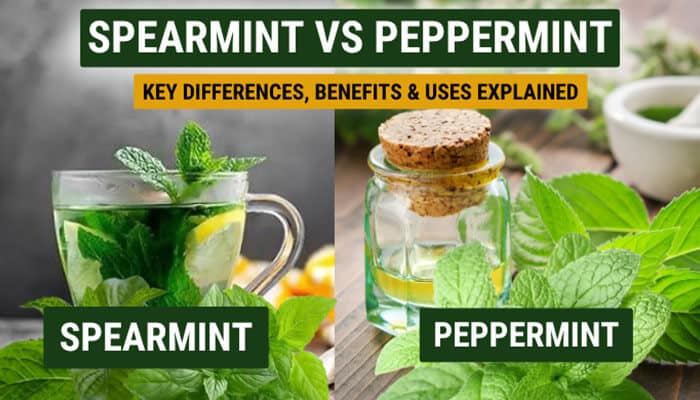

Walk into any grocery store, and you will find mint everywhere in teas, candies, toothpastes, essential oils, and even skincare products. But look a little closer, and you will notice something interesting. Some products say spearmint and others say peppermint. Most people assume they are basically the same thing, just different names for the same green leaf. That assumption, however, is where the confusion begins in the comparison of Spearmint vs Peppermint.
Spearmint vs peppermint is one of the most commonly searched comparisons in the world of herbs, and for good reason. These two mints might look similar, but they are actually quite different when it comes to flavor, chemical makeup, health benefits, and the best ways to use them. One is gentle and sweet; the other is bold and cooling. Knowing which is which can make a real difference, whether you are cooking a meal, brewing a cup of tea, or choosing a supplement.
In this guide, we are going to break down everything you need to know about spearmint vs peppermint in plain, simple language that anyone can understand. From where these plants come from, to how they smell, taste, and work inside your body, we have covered it all. By the time you finish reading, you will know exactly which mint does what, and which one belongs in your kitchen, your medicine cabinet, or your daily routine.
What Is Spearmint?
Spearmint (Mentha spicata) is one of the oldest and most widely used herbs in the world. It gets its name from the pointed, spear-shaped leaves that grow in long clusters on its stems. The plant originally comes from Europe and Asia but is now grown all around the world.
The flavor of spearmint is mild, sweet, and slightly fruity. It does not hit you with a blast of cold like peppermint does. Instead, it offers a soft, fresh taste that makes it a favorite in food, drinks, and personal care products.
Key facts about spearmint:
- Scientific name: Mentha spicata
- Active compound: Carvone (gives it that sweet, mild flavor)
- Menthol content: Very low (around 0.5%)
- Taste: Sweet, light, slightly cool
- Common uses: Cooking, cocktails, toothpaste, teas, skincare
What Is Peppermint?
Peppermint (Mentha × piperita) is actually a natural hybrid, a cross between spearmint and watermint. It was first documented in England in the late 1600s and quickly became one of the most popular medicinal herbs in history.
The flavor of peppermint is sharp, strong, and intensely cooling. That familiar icy blast you feel when you chew a piece of peppermint gum or sip peppermint tea? That is menthol doing its job.
Key facts about peppermint:
- Scientific name: Mentha × piperita
- Active compound: Menthol (responsible for the cooling sensation)
- Menthol content: High (35–55%)
- Taste: Strong, cool, slightly sharp
- Common uses: Medicine, essential oils, digestive health, pain relief
Spearmint vs Peppermint: Side-by-Side Comparison
Here is a quick reference table to help you see the differences clearly:
| Feature | Spearmint | Peppermint |
| Scientific Name | Mentha spicata | Mentha × piperita |
| Flavor | Mild, sweet, gentle | Strong, sharp, cooling |
| Main Compound | Carvone | Menthol |
| Menthol Level | Very low (~0.5%) | Very high (35–55%) |
| Smell | Light and fresh | Intense and minty |
| Best Use in Food | Cooking, cocktails, salads | Desserts, chocolates, candy |
| Best Use Medicinally | Hormonal balance, digestion | Headaches, IBS, pain relief |
| Essential Oil Strength | Gentle | Strong |
| Leaves | Pointed, spear-shaped | Rounded, slightly wrinkled |
| Stem Color | Green | Reddish-purple |
The Biggest Difference: Menthol Content
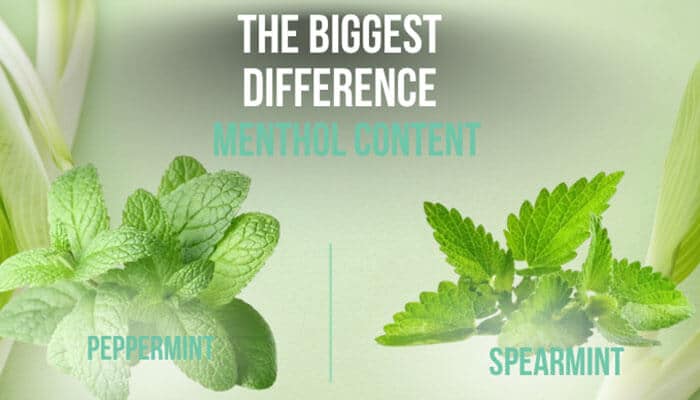
If you only remember one thing from this article, make it this: The biggest difference between spearmint and peppermint is menthol.
Menthol is the chemical compound that creates that cold, tingly sensation on your tongue and skin. Peppermint is loaded with it (up to 55% of its essential oil). Spearmint has almost none (less than 1%).
This single fact explains almost every other difference between the two:
- Why peppermint feels cooling: Menthol triggers cold receptors in your body
- Why spearmint tastes sweeter: Without heavy menthol, the natural sweetness of carvone shines through
- Why peppermint is stronger in medicine: Higher menthol makes it more potent for pain and digestion
- Why spearmint works better in food: It does not overpower other flavors
Taste and Smell: How to Tell Them Apart
Even without a label, you can tell spearmint vs peppermint apart pretty easily once you know what to look for.
Spearmint:
- Smells like fresh, sweet mint, think of a mojito or mint chewing gum (the mild kind)
- Tastes like a gentle, slightly herbal sweetness
- Does not cause a strong cooling effect
Peppermint:
- Smells sharp, clean, and intensely minty
- Tastes bold and almost medicinal
- Creates a strong cooling sensation that lingers
A simple test: Crush a leaf between your fingers and breathe in. If it smells like sweet fresh mint, it is likely spearmint. If it sends a rush of cold up your nose, that is peppermint.
Health Benefits of Spearmint
Spearmint is not just a flavoring; it has some impressive health benefits that are backed by research.
1. Helps with Hormonal Balance in Women
One of the most talked-about benefits of spearmint is its effect on hormones. Studies have shown that drinking spearmint tea can help reduce androgen (male hormone) levels in women with conditions like PCOS (Polycystic Ovary Syndrome). This may help reduce excess facial hair and support hormone regulation.
2. Supports Digestive Health
Spearmint has been used for centuries to calm an upset stomach. It can help with:
- Nausea
- Bloating and gas
- Indigestion
- Stomach cramps
3. Rich in Antioxidants
Spearmint leaves contain powerful antioxidants, including rosmarinic acid, flavonoids, and limonene. These compounds help fight free radicals that cause cell damage and aging.
4. May Improve Memory and Focus
Some research suggests that spearmint extract can support brain health, particularly in older adults. It may help improve working memory and attention span.
5. Antibacterial Properties
Spearmint oil has shown antibacterial effects in lab studies, helping to fight bacteria that cause bad breath, foodborne illness, and skin infections.
6. May Help with Arthritis
The anti-inflammatory properties in spearmint may help reduce joint pain and stiffness. Some people drink spearmint tea to ease arthritis symptoms.
Health Benefits of Peppermint
Peppermint has been used as a medicine for thousands of years, and modern science is confirming what traditional healers already knew.
1. Relieves IBS and Digestive Issues
Peppermint oil is one of the most clinically studied natural remedies for Irritable Bowel Syndrome (IBS). Enteric-coated peppermint oil capsules have been shown to reduce abdominal pain, bloating, and cramping in IBS patients.
2. Eases Headaches and Migraines
Applying diluted peppermint essential oil to the temples and forehead has been shown in studies to significantly reduce headache pain. The menthol creates a cooling sensation that relaxes muscle tension.
3. Clears Nasal Congestion
Ever notice how breathing in menthol feels like it opens up your airways? Peppermint can help relieve nasal congestion and sinus pressure, especially during colds and allergies.
4. Reduces Nausea
Peppermint aromatherapy and peppermint tea are both effective for reducing nausea, whether from motion sickness, pregnancy, or post-surgery.
5. Natural Pain Reliever
Menthol in peppermint oil acts as a natural analgesic (pain reliever). It is used in muscle rubs, pain patches, and cooling gels for:
- Muscle aches
- Tension headaches
- Back pain
- Joint soreness
6. Boosts Energy and Alertness
Inhaling peppermint essential oil can improve alertness, reduce mental fatigue, and even enhance athletic performance in some studies.
7. Fights Bad Breath
Peppermint’s strong antibacterial properties make it excellent for oral hygiene. It kills odor-causing bacteria more effectively than spearmint, which is why it is a common ingredient in mouthwashes and toothpastes.
Spearmint vs Peppermint in Cooking and Food
Both mints are used in cooking, but in very different ways. Understanding which to use can take a dish from good to great.
When to Use Spearmint in Cooking
Spearmint’s gentle flavor does not fight other ingredients; it plays well with them. Use spearmint when you want a fresh, herbal touch without overwhelming the dish.
Best foods with spearmint:
- Fresh salads (Greek salad, tabbouleh)
- Lamb dishes and Middle Eastern recipes
- Cocktails (mojitos, mint juleps)
- Fruit salads and desserts
- Herbal teas and infused water
- Mint chutney and sauces
- Spring rolls and Vietnamese dishes
When to Use Peppermint in Cooking
Peppermint’s bold flavor is best used sparingly in sweet, rich dishes where a strong minty punch is the goal.
Best foods with peppermint:
- Chocolate mint desserts
- Candy canes and holiday treats
- Peppermint hot chocolate
- Peppermint ice cream
- Baked goods (brownies, cookies)
- Flavored syrups and beverages
Quick Rule: If you are cooking a savory dish, reach for spearmint. If you are making something sweet or need a strong mint flavor, go with peppermint.
Spearmint vs Peppermint Tea: Which Should You Drink?
Both make wonderful teas, but they serve different purposes.
| Spearmint Tea | Peppermint Tea | |
| Flavor | Mild, sweet, gentle | Bold, cooling, strong |
| Best For | Hormonal balance, PCOS, arthritis | Digestion, IBS, headaches, colds |
| Caffeine | None | None |
| Best Time | Morning or afternoon | After meals or when sick |
| Safe During Pregnancy | Consult doctor | Avoid large amounts |
| Aroma | Light and fresh | Strong and minty |
How to brew mint tea:
- Boil fresh water (not boiling hot let it cool to about 90°C/195°F)
- Add 5–10 fresh mint leaves or 1 teaspoon of dried mint
- Steep for 5–7 minutes
- Strain, add honey if desired, and enjoy
Spearmint vs Peppermint Essential Oils
Essential oils from these two mints are popular in aromatherapy, personal care, and natural remedies, but they are used quite differently.
Spearmint Essential Oil
- Gentler and more suitable for sensitive skin and children
- Good for: Uplifting mood, light aromatherapy, skin care blends
- Dilution: Easier on skin at standard dilution rates
- Cautions: Generally well-tolerated
Peppermint Essential Oil
- Powerful and concentrated always dilute before skin use
- Good for: Headache relief, pain management, energy boost, congestion
- Dilution: Must be diluted in carrier oil (1–2% for adults)
- Cautions: Not safe for babies or young children; can cause skin irritation if undiluted; avoid near eyes
Tip: If you find peppermint oil too strong for your skin or senses, spearmint oil is an excellent gentler alternative that still offers many of the same benefits.
Spearmint vs Peppermint for Skin Care
Both mints offer benefits for your skin, but again, spearmint is the gentler option.
Spearmint for skin:
- Anti-inflammatory: Can calm red, irritated skin
- Antioxidant-rich: Fights signs of aging
- Antibacterial: Helps with acne-prone skin
- Less likely to irritate sensitive skin
Peppermint for skin:
- Cooling effect soothes itchy or inflamed skin
- Menthol reduces redness and puffiness
- Helps with oily skin (reduces excess sebum)
- Can cause irritation on sensitive skin; always dilute
Spearmint vs Peppermint for Oral Health
You will notice both of these mints are used in oral hygiene products, but peppermint tends to dominate this category.
Peppermint in dental care
- Kills bacteria that cause bad breath
- Creates a long-lasting fresh sensation
- Found in most toothpastes, mouthwashes, and floss
- Its high menthol content means fresher breath for longer
Spearmint in dental care
- Used in gum and some milder toothpastes
- Gentler taste preferred by children and those sensitive to strong mint
- Equally antibacterial, just with a lighter finish
Can You Substitute Spearmint for Peppermint?
Yes, but with some understanding of how the taste will change.
Substituting spearmint for peppermint:
- The flavor will be milder and sweeter
- You may need to use more spearmint to get a similar mint intensity
- Works well in cooking, teas, and most everyday recipes
- Not ideal for recipes where strong cooling is key (like peppermint patties or certain medical applications)
Substituting peppermint for spearmint:
- The flavor will be much stronger and more intense
- Use less peppermint than you would spearmint
- Not ideal for savory cooking or dishes where you want a gentle mint touch
- Can overpower delicate flavors in salads and sauces
Growing Spearmint vs Peppermint at Home
Both plants are easy to grow and make wonderful additions to any herb garden.
Spearmint:
- Grows in sun or partial shade
- Prefers moist, well-drained soil
- Spreads aggressively, best grown in pots
- Height: 30–100 cm
- Harvest by picking leaves before flowering
Peppermint:
- Also grows in sun or partial shade
- Needs regular watering
- Spreads even more aggressively than spearmint
- Height: 30–90 cm
- Best grown in containers to prevent takeover of garden beds
Tip: Mint plants grow so vigorously that gardeners often call them “friendly invaders.” Plant them in pots or raised beds to keep them under control.
Are There Any Side Effects?
Both spearmint and peppermint are generally safe when used in normal food amounts. However, there are a few things to watch out for.
Spearmint side effects:
- Large amounts may affect hormone levels (beneficial for some, not for others)
- Rare allergic reactions possible
- High doses during pregnancy should be avoided
Peppermint side effects:
- Peppermint oil can cause heartburn or acid reflux in some people
- Should not be applied near the face of infants or young children (menthol can affect breathing)
- May interact with some medications (including cyclosporine and some blood pressure medicines)
- Avoid in people with GERD unless using enteric-coated capsules
Always talk to a doctor before using mint supplements or essential oils for medical purposes.
Spearmint vs Peppermint: Which One Should You Choose?
The right choice depends entirely on what you need it for.
Choose spearmint if you:
- Cook savory dishes and need a gentle mint flavor
- Have hormonal imbalances or PCOS
- Prefer mild, sweet-tasting teas
- Have sensitive skin or digestive sensitivity
- Are making cocktails or Middle Eastern food
- Want a gentler essential oil for aromatherapy
Choose peppermint if you:
- Need help with IBS, bloating, or digestion
- Want relief from headaches or muscle pain
- Are dealing with a cold or nasal congestion
- Love bold, cooling flavors in desserts and candy
- Want a powerful, long-lasting fresh breath fix
- Need an energizing essential oil
Fun Facts About Spearmint and Peppermint
- Peppermint is the world’s oldest medicinal herb, with evidence of its use dating back 10,000 years
- Ancient Egyptians used mint as a trade currency
- Spearmint is the mint most commonly used in Middle Eastern cooking, especially in Lebanese tabbouleh
- Peppermint was officially named as a species by Carl Linnaeus (the father of modern taxonomy) in 1753
- The United States produces about 75% of the world’s peppermint
- Spearmint is the primary flavor in most chewing gums in South Asia and the Middle East
- Both mints are part of the Lamiaceae (mint) family, which also includes lavender, rosemary, and basil
Conclusion
At first glance, spearmint and peppermint may seem like two names for the same plant. But now you know better. Spearmint vs peppermint is a comparison of two distinct herbs with different flavors, different chemical makeups, different health benefits, and different best uses.
Spearmint is your go-to for gentle flavor in cooking, hormonal health, and sensitive-skin care. Peppermint is the powerhouse herb for digestion, pain relief, congestion, and bold minty flavor. Both are valuable, both are wonderful, and both deserve a place in your home.
The best part? You do not have to pick just one. Keep both on hand and use the right mint for the right job. Your kitchen, your body, and your taste buds will all thank you.
Spearmint vs Peppermint FAQs
1. Is spearmint or peppermint better for digestion?
Peppermint is generally more effective for digestive issues like IBS, bloating, and cramping because of its high menthol content. Spearmint also helps with mild indigestion and nausea but is less potent in this area.
2. Which mint is better for PCOS?
Spearmint is the clear winner here. Studies show that spearmint tea can help reduce androgen levels in women with PCOS, making it a useful natural addition to treatment plans.
3. Can I drink spearmint and peppermint tea together?
Yes, you can blend both teas together. The combination gives a balanced mint flavor, not too sweet, not too strong, and provides a mix of both herbs’ benefits.
4. Which mint is safer for children?
Spearmint is considered safer for children due to its very low menthol content. Peppermint products (especially essential oil) should be kept away from young children as menthol can affect breathing.
5. Is the mint in toothpaste spearmint or peppermint?
Most toothpastes use peppermint because its high menthol content provides a stronger, longer-lasting fresh feeling. However, some brands (especially children’s toothpastes) use spearmint for its gentler flavor.
6. What does spearmint smell like vs peppermint?
Spearmint smells sweet, light, and fresh, almost candy-like. Peppermint smells sharp, cool, and intensely minty, almost medicinal. If you have ever noticed how different mint-flavored gum brands smell, that difference is usually spearmint vs peppermint.
