


Buying jewelry often comes with many questions, especially when you notice small numbers stamped on the metal. One of the most common markings found on rings, necklaces, bracelets, earrings, and other silver pieces is 925. But what does 925 mean on jewelry and why is this number important for buyers?
The 925 stamp is a quality mark that identifies sterling silver. It means the jewelry contains 92.5% pure silver mixed with 7.5% other metals, usually copper, to improve strength and durability. Pure silver is naturally soft, so adding other metals allows jewelers to create pieces that can be worn daily while maintaining their beauty.
Understanding silver markings can help you make smarter jewelry purchases, identify authentic pieces, compare prices, and take better care of your favorite accessories. This complete guide explains the meaning of 925, how sterling silver is made, how to check authenticity, and whether 925 jewelry is valuable.
What Does 925 Mean on Jewelry?
The number 925 represents the purity level of sterling silver. In simple terms, it means that 925 parts out of 1,000 are pure silver.
Sterling silver is made with:
- 92.5% pure silver
- 7.5% alloy metals (commonly copper)
This combination creates a stronger metal that is suitable for jewelry production.
Pure silver, also called fine silver, contains 99.9% silver. However, it is too soft for many jewelry designs because it can bend, scratch, or lose shape easily. Sterling silver solves this problem by adding stronger metals without significantly reducing the value or appearance of silver.
A jewelry piece stamped with:
- 925
- .925
- S925
- Sterling
- Sterling Silver
usually indicates that it is made from genuine sterling silver.
Why Is 925 Used Instead of Pure Silver?
Many people wonder why jewelry makers do not use 100% pure silver. The answer is durability. Pure silver has excellent shine and value, but it is extremely soft. A ring made from pure silver could easily become damaged from everyday activities.
Sterling silver provides a balance between:
| Feature | Fine Silver (99.9%) | Sterling Silver (92.5%) |
| Silver purity | Higher | Slightly lower |
| Strength | Softer | More durable |
| Jewelry use | Less common | Very popular |
| Scratch resistance | Lower | Better |
| Everyday wear | Difficult | Suitable |
Because of this balance, sterling silver has become one of the most popular materials used in modern jewelry.
Common 925 Jewelry Markings and Their Meanings
Different countries and manufacturers may use slightly different stamps. These markings help identify the metal quality.
| Marking | Meaning |
| 925 | 92.5% pure silver |
| .925 | Sterling silver purity mark |
| S925 | Sterling silver designation |
| Sterling | Made with sterling silver |
| 925 Italy | Often indicates Italian-made sterling silver |
| 925 Thailand | Indicates production origin, not purity difference |
A location stamp such as “925 Italy” does not mean the silver is better simply because of the country name. The important factor is the silver content and authenticity of the piece.
How to Tell If 925 Jewelry Is Real
Knowing what does 925 mean on jewelry is useful, but buyers should also understand how to verify authenticity. Some fake jewelry pieces use incorrect stamps to appear valuable.
Here are common ways to check sterling silver:
1. Check the Hallmark
Look carefully for a small stamp on the inside of rings, clasps, bracelet backs, or necklace tags. Authentic sterling silver usually includes a clear 925 marking.
2. Perform a Magnet Test
Silver is not magnetic. If a strong magnet sticks strongly to the jewelry, the piece may contain large amounts of other metals. However, this test alone cannot confirm authenticity because some non-magnetic metals can also imitate silver.
3. Look for Tarnishing
Real sterling silver can naturally develop tarnish over time due to exposure to air, moisture, and chemicals. A piece that becomes slightly darker does not automatically mean it is fake. Proper polishing can restore its shine.
4. Get a Professional Test
For expensive jewelry, professional testing is the safest option.
Jewelry experts may use:
- Acid testing
- Electronic metal testing
- X-ray fluorescence (XRF) analysis
These methods provide a more accurate purity measurement.
Is 925 Sterling Silver Valuable?
The value of 925 jewelry depends on several factors. The silver content is only one part of the overall price.
Factors that influence value include:
- Current silver market prices
- Jewelry weight
- Brand reputation
- Design quality
- Craftsmanship
- Gemstones included
- Age and rarity
A simple 925 silver chain may mainly be valued for its silver weight, while a designer sterling silver ring with gemstones may have a much higher price.
Does 925 Jewelry Tarnish?
Yes, sterling silver can tarnish over time. Tarnishing happens because the alloy metals in sterling silver react with elements in the environment, especially sulfur compounds in the air.
Common causes of tarnish include:
- Perfume and cosmetics
- Sweat
- Humidity
- Household chemicals
- Swimming pools
- Long-term exposure to air
Tarnish does not mean the jewelry is poor quality. In fact, genuine sterling silver commonly develops this natural reaction.
How to Clean and Maintain 925 Sterling Silver Jewelry
Proper care can keep sterling silver jewelry looking beautiful for many years.
Follow these simple tips:
- Store jewelry in a dry, sealed container.
- Use a soft silver polishing cloth.
- Remove jewelry before swimming.
- Avoid direct contact with perfumes and lotions.
- Clean pieces regularly after wearing them.
- Keep separate jewelry pieces from scratching each other.
For heavily tarnished items, professional cleaning may restore the original shine.
Is 925 Silver Better Than Other Jewelry Metals?
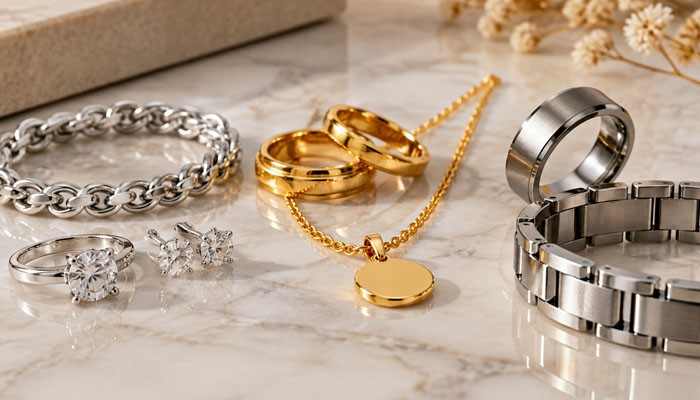
The best metal depends on personal preference, budget, and lifestyle.
925 Sterling Silver
Advantages:
- Affordable compared with gold
- Classic appearance
- Durable for everyday wear
- Easy to polish
- Widely available
Gold Jewelry
Advantages:
- Higher value
- Does not tarnish like silver
- Available in different purities
Stainless Steel Jewelry
Advantages:
- Highly durable
- Low maintenance
- More resistant to scratches
Sterling silver remains popular because it offers a premium appearance without the higher cost of precious metals like gold.
Difference Between 925 Silver and Silver-Plated Jewelry
One important buying decision is understanding the difference between solid sterling silver and silver-plated jewelry.
| Type | Description |
| 925 Sterling Silver | Made with 92.5% silver throughout the piece |
| Silver-Plated | Base metal covered with a thin silver layer |
Silver-plated jewelry may look similar at first, but the coating can wear away over time and reveal the base metal underneath. Always check product descriptions and markings before purchasing.
Can You Wear 925 Sterling Silver Every Day?
Yes, many people wear 925 sterling silver jewelry daily.
It is commonly used for:
- Wedding rings
- Engagement rings
- Earrings
- Necklaces
- Bracelets
- Pendants
However, regular cleaning and proper storage are important because sterling silver reacts more easily than pure gold.
Does 925 Mean Fake Jewelry?
No. The 925 marking usually indicates genuine sterling silver, not fake jewelry. However, counterfeit products may sometimes use fake stamps. A 925 mark alone does not guarantee authenticity, especially when buying from unknown sellers.
To reduce risks:
- Buy from trusted jewelers
- Check product details
- Read customer reviews
- Request authenticity information for expensive pieces
Final Thoughts
Understanding what does 925 mean on jewelry helps buyers recognize one of the most common precious metal markings in the jewelry world. A 925 stamp indicates sterling silver made with 92.5% pure silver, offering a durable and attractive option for everyday accessories.
While the marking is an important quality indicator, buyers should also consider craftsmanship, seller reputation, design, and professional verification when purchasing valuable pieces.
With proper care, 925 sterling silver jewelry can maintain its shine, style, and sentimental value for many years. Whether you are buying a new ring, necklace, bracelet, or family keepsake, knowing how to identify authentic sterling silver allows you to make a confident and informed choice.
What Does 925 Mean on Jewelry FAQs
1. What does 925 mean on jewelry?
What Does 925 Mean on Jewelry refers to a sterling silver purity mark showing that the item contains 92.5% pure silver and 7.5% alloy metals.
2. Is 925 silver real silver?
Yes. 925 silver is real silver and is commonly called sterling silver.
3. Is 925 silver better than pure silver?
For jewelry, 925 sterling silver is often more practical because it is stronger and more resistant to everyday damage than pure silver.
4. Can 925 silver turn black?
Yes. Sterling silver can darken because of tarnish caused by reactions with air, moisture, and chemicals. Cleaning can restore its appearance.
5. Is 925 silver worth buying?
Yes. 925 sterling silver offers a good combination of beauty, durability, and affordability, making it a popular choice for jewelry buyers.
6. Does 925 silver contain real gold?
No. The 925 marking refers to silver purity, not gold content.
