
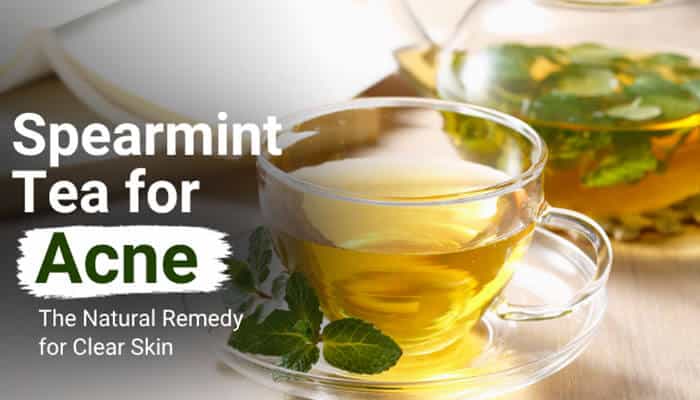

If you have been struggling with stubborn breakouts and nothing seems to work, you are not alone. Millions of people deal with acne every day, and many of them are now turning to a surprisingly simple solution sitting right in the tea aisle spearmint tea. Spearmint Tea for Acne is now gaining serious attention from dermatologists, researchers, and skin-care enthusiasts for one big reason: it may help reduce the hormones that trigger acne in the first place. What was once a casual after-dinner drink is now becoming a widely discussed natural remedy for clearer skin.
Spearmint tea for acne is not just a social media trend. There is actual science behind it. Studies have shown that spearmint has anti-androgenic properties, which means it can help lower the levels of male hormones (called androgens) in the body. These hormones, especially in women, are one of the leading causes of hormonal acne, those deep, painful breakouts that appear along the jawline, chin, and cheeks around the time of your monthly cycle.
The best part? You do not need a prescription. You do not need an expensive skincare routine. Just two cups of spearmint tea a day, and many people begin to see a real difference in their skin within a few weeks. In this article, we are going to break d
0own everything you need to know about spearmint tea for acne from the science and the benefits to how to make it, when to drink it, and what results you can realistically expect.
What Is Spearmint Tea and Why Is Everyone Talking About It?
Spearmint tea is made from the leaves of the Mentha spicata plant, a type of mint that is milder and slightly sweeter than peppermint. It has been used for centuries in traditional medicine across the Middle East, Asia, and Europe.
But its connection to acne is much more recent. The interest exploded after a 2010 clinical study published in Phytotherapy Research found that women who drank two cups of spearmint tea daily for 30 days showed significantly lower levels of free testosterone, a key hormone linked to acne.
Since then, thousands of people have tried it, shared their results online, and the research has only continued to grow.
The Science Behind Spearmint Tea for Acne
To understand why spearmint tea for acne works, you first need to understand what causes acne at a hormonal level.
How Hormones Cause Acne
Your skin has sebaceous (oil) glands. When androgen hormones like testosterone and DHEA-S are too high, these glands produce too much oil (sebum). Excess oil mixes with dead skin cells and clogs your pores. Bacteria get trapped inside, and that is how a pimple forms.
This type of acne is called hormonal acne, and it is especially common in:
- Teenage girls and boys going through puberty
- Women in their 20s, 30s, and 40s
- People with Polycystic Ovary Syndrome (PCOS)
- Women around the time of their period
What Makes Spearmint Different
Spearmint contains a natural compound called rosmarinic acid along with other polyphenols that have anti-androgenic effects. These compounds work by blocking the activity of androgens or reducing their levels in the blood.
When androgens are lowered, the oil glands calm down, produce less sebum, and your pores stop getting clogged as often. The result? Fewer breakouts over time.
Key studies on spearmint tea for acne:
| Study | Year | Finding |
| Phytotherapy Research | 2010 | 2 cups/day for 30 days significantly lowered free testosterone in women |
| Journal of Clinical Endocrinology | 2007 | Spearmint tea showed anti-androgenic effects in women with hirsutism (excess hair) |
| Multiple anecdotal reports | 2015–2024 | Thousands of users reported clearer skin, especially for hormonal and cystic acne |
Types of Acne That Spearmint Tea Can Help
Not all acne is the same, and spearmint tea is not a one-size-fits-all cure. Here is where it tends to work best:
1. Hormonal Acne
This is the #1 target for spearmint tea. If your breakouts are deep, cystic, and appear mostly around your jawline and chin, especially before your period, spearmint tea is likely your best natural option.
2. PCOS-Related Acne
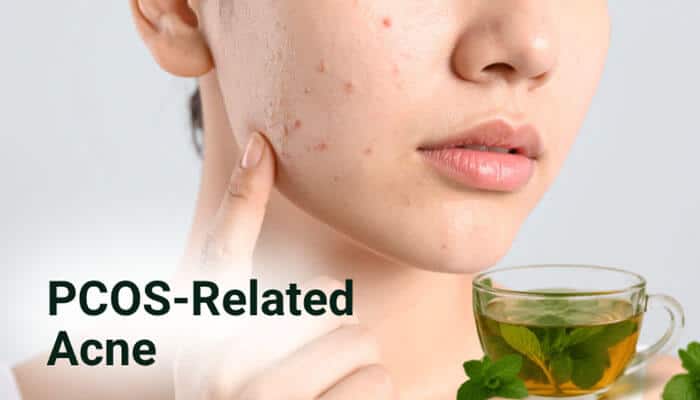
Women with PCOS often have elevated androgens, which lead to acne, excess facial hair, and irregular periods. Spearmint tea has been specifically studied in women with PCOS and shown promising results for reducing androgen levels.
3. Teen Acne
Puberty floods the body with androgens, which is why nearly every teenager deals with breakouts. While more research is needed in this age group, the same mechanism applies.
4. Adult Female Acne
Many women in their 30s and 40s experience surprise breakouts long after their teenage years. Hormonal fluctuations, stress, and birth control changes often play a role, and spearmint tea may help bring balance back.
Benefits of Spearmint Tea for Acne (and Your Overall Skin)
Drinking spearmint tea for acne goes beyond just fighting pimples. Here is the full list of skin and body benefits:
- Reduces hormonal acne by lowering androgen levels naturally
- Decreases excess oil production on the skin
- Has anti-inflammatory properties that calm redness and irritation
- Contains antioxidants that fight free radical damage and slow skin aging
- May reduce facial hair (hirsutism) in women with PCOS
- Supports gut health, which is closely connected to skin health
- Naturally caffeine-free, making it safe to drink in the evening
- Helps reduce stress, which is a known acne trigger
How to Make Spearmint Tea for Acne the Right Way
Making spearmint tea is incredibly simple. Here is a step-by-step guide:
What You Need:
- 1 teaspoon of dried spearmint leaves or a handful (5–6 leaves) of fresh spearmint
- 1 cup of hot water (not boiling, around 90°C / 195°F)
- Optional: a squeeze of lemon or a drop of raw honey
Steps:
- Bring water to near-boiling and let it cool for 1–2 minutes
- Add spearmint leaves to a cup or tea infuser
- Pour hot water over the leaves
- Steep for 5–7 minutes (longer steeping = stronger flavor and more active compounds)
- Strain, add lemon or honey if desired, and drink slowly
- Repeat twice daily, once in the morning and once in the evening
Using fresh spearmint leaves gives a brighter, slightly more potent taste. Dried leaves are fine too and are easier to measure consistently.
How Long Does It Take for Spearmint Tea to Clear Acne?
This is one of the most commonly asked questions. The timeline varies from person to person, but here is a general guide based on reported experiences and study data:
| Timeframe | What to Expect |
| Week 1–2 | No major changes yet; your body is adjusting |
| Week 3–4 | Some people notice slightly less oiliness or fewer new breakouts |
| Month 2 | Reduction in active breakouts for many users, especially hormonal types |
| Month 3 | More noticeable clearing; skin texture may improve |
| Month 4–6 | Best results for most people; consistent use is key |
Patience is essential. Spearmint tea works on your hormone levels, not just the surface of your skin. That means it takes time to build up effects, just like any hormonal treatment.
How Much Spearmint Tea Should You Drink for Acne?
Based on the clinical studies and widely reported experiences, two cups per day is the recommended amount.
- One cup in the morning: Helps start hormonal balance early in the day
- One cup in the evening: Continues the anti-androgenic effect overnight
Drinking more than two cups is generally not recommended unless suggested by a healthcare provider, as very high amounts of spearmint may interfere with iron absorption or affect hormones more than intended.
Spearmint Tea vs. Other Acne Treatments
Many people wonder how spearmint tea stacks up against popular acne treatments. Here is an honest side-by-side comparison:
| Treatment | How It Works | Side Effects | Cost | Best For |
| Spearmint Tea | Lowers androgens naturally | Minimal; rare digestive upset | Very low | Hormonal & PCOS acne |
| Birth Control Pills | Regulates hormones | Mood changes, nausea, blood clot risk | Moderate | Hormonal acne in women |
| Spironolactone | Blocks androgens (prescription) | Low blood pressure, frequent urination | Moderate | Severe hormonal acne |
| Benzoyl Peroxide | Kills bacteria on skin | Dryness, irritation | Low | Mild to moderate acne |
| Retinoids | Speeds cell turnover | Peeling, sun sensitivity | Moderate-High | All acne types |
| Spearmint Tea | Natural, anti-androgenic | Minimal | Very low | Hormonal acne |
Spearmint tea is not a replacement for medical treatments in severe cases, but it is a genuinely effective natural option, especially for mild to moderate hormonal acne.
Spearmint Tea for Acne and PCOS: A Special Connection
Polycystic Ovary Syndrome (PCOS) affects 1 in 10 women of reproductive age. One of its most frustrating symptoms is persistent acne caused by elevated androgens.
Spearmint tea has been specifically studied in women with PCOS with encouraging results. A study published in Phytotherapy Research found that drinking spearmint tea twice daily for one month resulted in:
- Lower levels of free testosterone
- Reduced luteinizing hormone (LH)
- Higher levels of estradiol and FSH (hormones that support balance)
For women with PCOS looking for a natural addition to their management plan, spearmint tea for acne is one of the most well-researched options available without a prescription.
Who Should Be Careful with Spearmint Tea?
While spearmint tea is safe for most people, there are some groups who should use it with caution or speak to a doctor first:
- Pregnant women: Spearmint may stimulate uterine contractions in very large amounts
- People with kidney or liver conditions: Check with your doctor
- Men with hormone-sensitive conditions: Since it lowers androgens, men should be cautious
- People taking iron supplements: Spearmint may reduce iron absorption slightly
- Those on hormone medications: Combining spearmint with hormonal treatments should be monitored
If you are healthy and not on any medications, two cups a day is considered very safe for most adults.
Does Spearmint Tea Work for Men’s Acne?
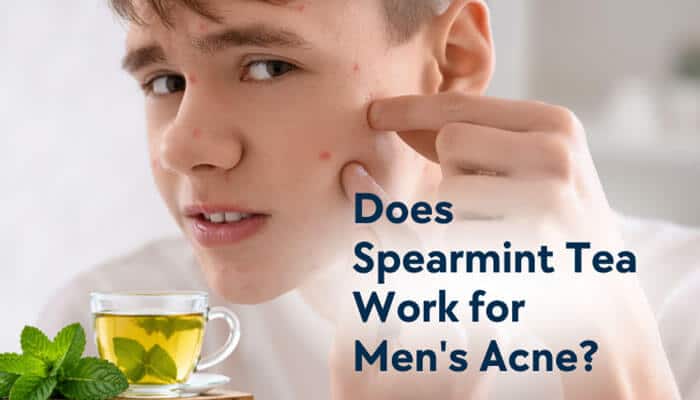
This is a fair question. Since spearmint tea lowers androgens, men may worry about it affecting their testosterone levels significantly.
The studies done so far have been primarily on women, and the hormonal changes observed were within normal ranges, not dramatic drops. Some men with hormonal acne do report improvement with spearmint tea, but the evidence is less clear compared to women.
Men who want to try spearmint tea for acne can start with one cup per day and monitor their experience. If any unusual symptoms occur, stopping or reducing intake is the right move.
Tips to Boost Your Results with Spearmint Tea for Acne
Spearmint tea works best when it is part of a broader skin-friendly lifestyle. Here are habits that amplify its effects:
- Wash your face twice daily with a gentle, non-comedogenic cleanser
- Stay hydrated, 8 glasses of water a day supports skin cell turnover
- Reduce sugar and dairy in your diet, both of which can spike androgen levels
- Manage stress through exercise, sleep, or meditation. Cortisol worsens acne
- Get 7–9 hours of sleep your skin repairs itself while you sleep
- Do not over-scrub your skin, it irritates the skin barrier and worsens breakouts
- Use non-comedogenic moisturizer even if your skin is oily
- Be consistent with your two cups of spearmint tea daily, skipping days slows results
Final Thoughts: Is Spearmint Tea for Acne Worth Trying?
If you are dealing with hormonal breakouts, especially the deep, cystic kind that appear on your chin and jawline, spearmint tea for acne is genuinely worth adding to your daily routine. It is inexpensive, has minimal side effects, tastes pleasant, and is backed by real clinical evidence.
Will it work overnight? No. Will it replace a dermatologist if you have severe cystic acne? No. But for the majority of people who deal with mild to moderate hormonal acne, two cups of spearmint tea a day is one of the simplest, most natural things you can do for your skin.
Give it a solid 60 to 90 days, be consistent, support it with a healthy lifestyle, and many people find that their skin genuinely transforms without a single prescription or expensive product in sight.
Spearmint Tea for Acne FAQS
1. Can I drink spearmint tea every day?
Yes. Two cups daily is considered safe and is the amount used in clinical studies.
2. Is spearmint tea better hot or cold?
Either works. Hot tea may help you absorb the compounds faster, but cold brew spearmint tea is perfectly effective too.
3. Can I use spearmint essential oil on my skin instead?
No essential oils are highly concentrated and can irritate or burn the skin if applied directly. Stick to drinking the tea.
4. Does spearmint tea help with blackheads and whiteheads?
It primarily helps with hormonal and cystic acne. For blackheads and whiteheads, topical treatments like salicylic acid work better alongside the tea.
5. Where can I buy spearmint tea?
Most grocery stores, health food shops, and online platforms carry dried spearmint leaves or spearmint tea bags. Look for organic options when possible to avoid pesticide residues.
