


Have you ever noticed small white spots on your arms, legs, or face after spending time outdoors? These spots may become more visible when the surrounding skin gets darker from the sun. White Spots on Skin From Sun are a common concern, especially among people who spend a lot of time outdoors. While many of these spots are harmless, some may be linked to skin conditions that need medical attention.
Sun exposure can affect the way your skin produces melanin, the natural pigment responsible for skin color. Over time, ultraviolet (UV) rays can damage pigment-producing cells, leading to small, lighter patches. However, not every white spot is caused directly by sunlight. Fungal infections, dry skin, and autoimmune conditions can also change skin color.
Understanding the causes of White Spots on Skin From Sun can help you choose the right treatment and protect your skin from further damage. This guide explains why these spots appear, how to recognize different types, which treatments may help, and when you should visit a dermatologist.
What Are White Spots on Skin From Sun?
White Spots on Skin From Sun are areas of skin that appear lighter than the surrounding skin, often becoming more noticeable after sun exposure.
These spots develop when certain areas of the skin contain less melanin or lose pigment. Melanin gives your skin its natural color and helps provide some protection against UV radiation.
When surrounding skin tans, lighter areas may stand out because they do not darken in the same way.
Common Signs and Symptoms
Depending on the cause, you may notice:
- Small, round, white spots on the arms or legs
- Light patches on the face, shoulders, or chest
- Smooth spots that do not itch or hurt
- Dry or slightly scaly patches
- White areas that become more visible after tanning
- Spots that slowly increase in number with age
Some spots remain unchanged for years, while others spread or become more noticeable.
Important: White spots do not always mean permanent sun damage. Several conditions can cause similar changes in skin color.
What Causes White Spots on Skin From Sun?
Several skin conditions can cause lighter patches. Identifying the exact cause is important because treatments differ.
1. Idiopathic Guttate Hypomelanosis (IGH)
A common cause of small white spots on sun-exposed skin Idiopathic guttate hypomelanosis (IGH) is a harmless skin condition that causes small, flat, white spots, usually on areas exposed to sunlight.
It commonly affects:
- Forearms
- Shins
- Lower legs
- Upper arms
- Other frequently exposed areas
Most spots are about 2–5 millimeters wide, although their size can vary. IGH becomes more common with age. Long-term sun exposure is believed to contribute to its development, but aging and genetic factors may also play a role.
Can IGH disappear naturally?
IGH spots are usually persistent and may not disappear without treatment. They are not contagious and generally do not require medical treatment.
2. Tinea Versicolor (Fungal Overgrowth)
Light patches that may become obvious after tanning. Tinea versicolor, also called pityriasis versicolor, develops when Malassezia yeast, which normally lives on the skin, grows excessively.
It can cause lighter or darker patches, particularly on the chest, back, shoulders, and neck.
Common signs include:
- White, pink, tan, or brown patches
- Fine scaling on affected skin
- Mild itching in some cases
- More noticeable patches during hot, humid weather
The sun does not directly cause tinea versicolor. However, affected areas may not tan normally, making the patches easier to see.
Antifungal treatments can control the yeast, but normal skin color may take weeks or months to return.
3. Vitiligo
Vitiligo is a condition in which the immune system attacks melanocytes, the cells responsible for producing melanin. This can lead to clearly defined white patches on different parts of the body.
Vitiligo may affect:
- Face and neck
- Hands and fingers
- Arms and legs
- Areas around the mouth and eyes
- Skin around joints
Unlike IGH, vitiligo patches may become larger or appear in new areas over time. Sun exposure does not cause vitiligo, but the white patches may become more visible when surrounding skin tans.
Because vitiligo-affected skin has little or no protective pigment, it can burn more easily.
4. Pityriasis Alba
Pityriasis alba is a common skin condition that usually affects children and teenagers. It is often associated with dry skin and eczema.
It causes pale, slightly scaly patches, most commonly on the cheeks.
Symptoms may include:
- Light-colored patches on the face.
- Mild dryness or roughness.
- Poorly defined patch borders.
- Occasional mild itching.
These patches often become more noticeable during summer because surrounding skin tans while the affected areas remain lighter. Most cases improve gradually with gentle skin care, moisturizing, and sun protection.
5. Post-Inflammatory Hypopigmentation
Sometimes, white spots appear after the skin heals from inflammation or injury.
Possible triggers include:
- Eczema
- Acne
- Minor burns
- Skin infections
- Rashes or irritation
When inflammation affects pigment production, the healed area may appear lighter than the surrounding skin. This is called post-inflammatory hypopigmentation.
In many cases, pigment gradually returns, although recovery can take several months.
How to Identify Different Types of White Spots on Skin
The appearance, location, and symptoms of white patches can provide clues about their cause.
| Skin condition | Common appearance | Typical location | Main treatment approach |
| Idiopathic guttate hypomelanosis | Tiny, smooth white spots | Arms and legs | Sun protection; optional cosmetic treatment |
| Tinea versicolor | Light patches with fine scales | Chest, back, shoulders | Antifungal medication |
| Vitiligo | Clearly defined white patches | Face, hands, body | Dermatologist-directed treatment |
| Pityriasis alba | Pale, dry, slightly rough patches | Face, especially cheeks | Moisturizers and gentle skin care |
| Post-inflammatory hypopigmentation | Light areas after a rash or injury | Previously inflamed skin | Treat underlying cause and allow healing |
This comparison can help you understand the possibilities, but appearance alone cannot confirm a diagnosis.
Are White Spots on Skin From Sun Dangerous?
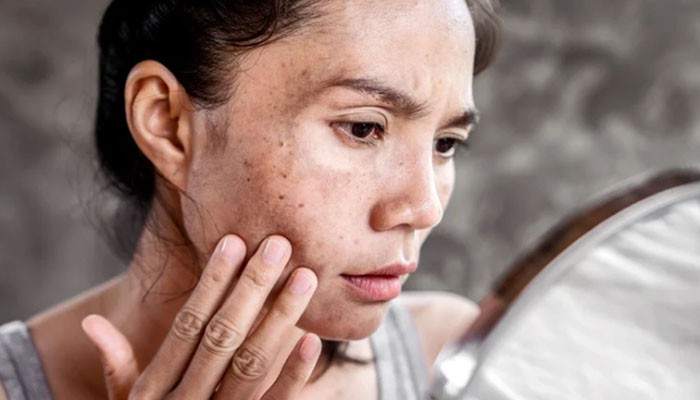
In most cases, White Spots on Skin From Sun are not dangerous. Conditions such as IGH and pityriasis alba are generally harmless. However, some white patches may indicate an underlying condition that requires treatment.
For example, vitiligo can affect a person’s appearance and emotional well-being, while tinea versicolor may continue or return without appropriate antifungal treatment.
When Should You See a Dermatologist?
Schedule a skin examination if:
- White patches appear suddenly or spread quickly.
- Spots become larger or change shape.
- You experience itching, redness, or scaling.
- Patches appear around the eyes or mouth.
- You notice white hair developing within a patch.
- Skin changes persist without a clear explanation.
- A spot bleeds, crusts, forms a sore, or does not heal.
A dermatologist can examine your skin and determine whether testing or treatment is necessary.
How to Treat White Spots on Skin From Sun
Treatment depends on the underlying cause, the location of the spots, and whether they affect your comfort or appearance. There is no single treatment that works for every type of white patch.
1. Use Broad-Spectrum Sunscreen Daily
Sunscreen is an important part of managing White Spots on Skin From Sun.
Although sunscreen does not automatically restore lost pigment, it helps prevent additional UV damage and reduces tanning of the surrounding skin.
Choose sunscreen with:
- Broad-spectrum UVA and UVB protection.
- SPF 30 or higher.
- Water resistance when swimming or sweating.
- A formula suitable for your skin type.
Apply sunscreen generously about 15 minutes before going outdoors, following the product instructions. Reapply approximately every two hours while outside and after swimming or sweating.
2. Apply Moisturizer Regularly
Moisturizers can help when lighter patches are linked to dry skin, eczema, or pityriasis alba. Look for gentle products containing ingredients such as:
- Ceramides
- Glycerin
- Hyaluronic acid
- Petrolatum
These ingredients support the skin barrier and reduce moisture loss.
Moisturizers will not reliably restore pigment lost through IGH or vitiligo, but they can improve dryness and irritation.
3. Use Antifungal Treatment When Necessary
If tinea versicolor causes the white patches, antifungal medication may help.
Common treatment options include:
- Ketoconazole shampoo or cream.
- Selenium sulfide preparations.
- Other topical antifungal medicines recommended by a healthcare professional.
More widespread or persistent infections may require prescription treatment.
Even after the yeast is controlled, discoloration may remain for several weeks or months.
Avoid using antifungal creams on every white patch without knowing the cause.
4. Prescription Treatments for Vitiligo
Dermatologists may recommend medical treatments for vitiligo, depending on the patient’s age, affected area, and severity.
Options can include:
- Topical corticosteroids for selected areas and limited periods.
- Topical calcineurin inhibitors.
- Prescription topical ruxolitinib for eligible patients.
- Narrowband ultraviolet B (NB-UVB) phototherapy.
These treatments aim to reduce inflammation or encourage repigmentation.
Results vary, and some treatments require several months of consistent use.
Do not attempt UV light treatment or apply prescription steroid creams without medical guidance.
5. Dermatological Procedures for IGH

Some people seek cosmetic treatment for persistent IGH spots. Dermatologists may discuss procedures such as:
- Certain laser treatments.
- Microneedling.
- Carefully selected topical therapies.
- Other specialist procedures intended to improve pigmentation.
However, evidence supporting these treatments is limited, and results are unpredictable. Some procedures can cause burns, scarring, or additional pigmentation changes, particularly in darker skin tones.
For most people, reassurance and sun protection are sufficient.
Can Home Remedies Remove White Spots on Skin From Sun?
Many online articles recommend lemon juice, turmeric, coconut oil, or aloe vera to remove white patches.
However, there is no reliable clinical evidence that these home remedies restore pigment in IGH or vitiligo or cure fungal infections.
Some home remedies may even irritate the skin.
For example:
- Lemon juice can cause irritation and severe sun-related skin reactions.
- Harsh scrubs may damage the skin barrier.
- Essential oils can trigger allergic reactions.
- Unsupervised chemical peels may cause burns and discoloration.
A safer home-care routine includes gentle cleansing, moisturizing, and daily sun protection.
If the spots are spreading or remain unexplained, seek a professional diagnosis rather than experimenting with multiple products.
How to Prevent White Spots on Skin From Sun
You cannot prevent every cause of white spots, especially conditions influenced by genetics or the immune system.
However, protecting your skin from UV radiation may reduce sun-related damage and make existing spots less noticeable.
1. Avoid Excessive Sun Exposure
Try to stay in the shade when sunlight is strongest, particularly during the middle of the day. If you work outdoors, take regular breaks in shaded areas.
2. Wear Protective Clothing
Protective clothing provides an additional barrier against UV radiation.
Useful options include:
- Long-sleeved shirts.
- Wide-brimmed hats.
- UV-protective sunglasses.
- Lightweight trousers.
- Clothing labeled with an ultraviolet protection factor (UPF).
3. Avoid Tanning Beds
Tanning beds expose your skin to harmful ultraviolet radiation. They can increase the risk of skin cancer and premature skin aging.
They may also make existing white patches more noticeable by darkening the surrounding skin.
4. Follow a Gentle Skin-Care Routine
Avoid excessive scrubbing, harsh soaps, and irritating skin-care products. Choose mild cleansers and apply moisturizer after bathing.
If you have eczema or another inflammatory skin condition, managing it early may reduce the risk of pigment changes after healing.
5. Examine Your Skin Regularly
Check your skin for new spots, changes in existing patches, or unusual growths. Taking photographs under similar lighting conditions can help you notice changes over time.
These prevention measures follow guidance from the American Academy of Dermatology on UV protection and skin health.
Why Are White Spots More Visible After Tanning?
One common question about White Spots on Skin From Sun is why they suddenly become noticeable after a beach vacation or a long day outdoors. The explanation often involves the difference in pigmentation between affected and unaffected skin.
When normal skin receives UV exposure, it may produce more melanin and become darker. Areas with reduced pigment may not tan as much.
For example, imagine someone who has several small IGH spots on their forearms. Before summer, the spots may be difficult to notice. After repeated sun exposure, the surrounding skin becomes darker, making the white spots more visible.
This does not necessarily mean the spots appeared overnight. It may simply mean the difference in skin color has increased.
Remember: Tanning is a sign of UV damage, not a healthy way to improve skin color.
Can White Spots on Skin From Sun Go Away Naturally?
Whether White Spots on Skin From Sun disappear depends on what caused them. Some conditions improve naturally, while others remain for years.
- IGH: Spots usually persist and may increase in number with age.
- Tinea versicolor: Normal color often returns after successful antifungal treatment, although it may take months.
- Pityriasis alba: Many cases gradually improve, especially with moisturizing and sun protection.
- Vitiligo: Some repigmentation can occur, but patches may persist or spread without treatment.
- Post-inflammatory hypopigmentation: Skin color may return as the affected area heals.
There is no guaranteed timeline for pigment recovery. Avoid products that promise to remove every type of white spot within a few days.
How Do Dermatologists Diagnose White Spots?
A dermatologist usually begins by examining the size, shape, texture, and location of the spots. They may ask when the patches first appeared, whether they itch, and whether you have experienced recent rashes or sunburn.
Depending on the suspected condition, additional tests may include:
Wood’s Lamp Examination
A Wood’s lamp uses ultraviolet light to make certain pigment changes easier to see. It can help doctors examine vitiligo and some fungal conditions.
Skin Scraping Test
If a fungal infection is suspected, a dermatologist may collect a small sample of skin scales and examine it under a microscope.
Dermoscopy
Dermoscopy uses a magnifying instrument to examine skin patterns more closely. It can help distinguish some pigment disorders from other skin conditions.
Blood Tests or Skin Biopsy
Blood tests are not routinely needed for ordinary white spots. They may be recommended when a related medical condition is suspected.
A skin biopsy is occasionally necessary when the diagnosis remains uncertain.
Accurate diagnosis is important because treatments for fungal infections, vitiligo, and sun-related pigment changes are different.
Common Mistakes to Avoid When Treating White Spots
People searching for White Spots on Skin From Sun often try different products before identifying the cause.
Some common mistakes include:
- Applying antifungal creams without confirming a fungal infection.
- Using strong steroid creams without medical advice.
- Exposing white patches to more sunlight in an attempt to restore pigment.
- Scrubbing affected skin to remove discoloration.
- Using lemon juice or other irritating home remedies.
- Expecting permanent pigment loss to disappear within days.
- Ignoring patches that are growing or changing.
The safest approach is to identify the underlying condition before choosing treatment.
Conclusion
White Spots on Skin From Sun can develop for several reasons, including long-term UV exposure, fungal overgrowth, vitiligo, dry skin, and inflammation. Although most white patches are harmless, understanding their cause is essential for choosing the right treatment.
Daily sunscreen, protective clothing, gentle skin care, and avoiding unnecessary tanning can help protect your skin. Some conditions improve with treatment or time, while others may remain visible.
If your white spots are spreading, changing, or causing discomfort, consult a qualified dermatologist. A proper diagnosis can help you avoid unnecessary treatments and maintain healthier skin over time.
White Spots on Skin From Sun FAQs
1. What causes white spots on skin after sun exposure?
White Spots on Skin From Sun may be associated with idiopathic guttate hypomelanosis, tinea versicolor, vitiligo, pityriasis alba, or previous skin inflammation. Sun exposure can make these conditions more noticeable because the surrounding skin becomes darker.
2. Are white spots on skin a sign of sun damage?
Some white spots, especially those caused by IGH, are associated with long-term sun exposure and aging. However, other white patches develop because of fungal infections, autoimmune conditions, or inflammation rather than direct sun damage.
3. Can sunscreen remove white spots on skin?
Sunscreen does not directly remove white spots or restore missing pigment. However, broad-spectrum SPF 30 or higher helps protect the skin from UV damage and may reduce the contrast between white patches and surrounding skin.
4. Are white spots on skin from sun permanent?
Some spots, particularly IGH, are usually long-lasting. Others, such as those caused by pityriasis alba or post-inflammatory hypopigmentation, may improve gradually. Tinea versicolor-related discoloration often fades after successful treatment.
5. Can vitamin deficiencies cause white spots on skin?
Certain nutritional deficiencies can sometimes contribute to skin changes, but they are not a common explanation for small white spots appearing after sun exposure. Vitamin supplements should not be used as a substitute for diagnosis.
6. How do I know if white spots are fungal or caused by sun exposure?
Fungal patches often develop on the chest, back, or shoulders and may have fine scales. IGH typically causes tiny, smooth, white spots on sun-exposed arms and legs. A dermatologist can distinguish them through examination and testing when needed.
7. Can white spots on skin spread to other people?
IGH, vitiligo, and pityriasis alba are not contagious. Tinea versicolor involves an overgrowth of yeast normally present on the skin and is not generally considered contagious.
8. What is the fastest way to get rid of white spots on skin?
There is no single fast treatment. Antifungal medicines can treat tinea versicolor, while vitiligo may require prescription creams or phototherapy. IGH spots are often persistent and may not need treatment.
