
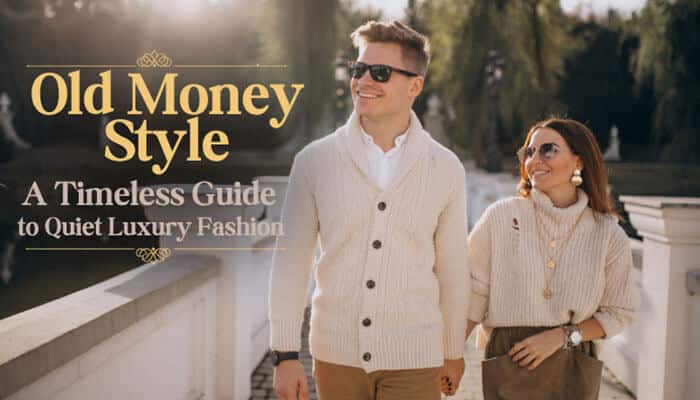

If you have spent any time online lately, you have probably seen the term “old money style” everywhere on Pinterest boards, TikTok outfit videos, and fashion blogs. It is one of the biggest style movements of the decade, and unlike most trends, it does not disappear after a season. Old money style is about looking put-together, wealthy, and elegant without shouting about it. No big logos. No flashy prints. Just clean lines, quality fabric, and confidence.
But what does old money style actually mean, and how do you build it into your own wardrobe without spending a fortune? That is exactly what this guide is for. We are going to break down the history of old money style, the exact pieces that define it, how it differs from quiet luxury, and simple, practical ways to bring this timeless aesthetic into your everyday life, whether you are a student, a working professional, or just someone who wants to dress with more intention.
This guide is written in plain, simple language so anyone can follow it, no fashion degree required. We will cover the old money style wardrobe essentials for men and women, the colors and fabrics that matter most, common mistakes people make when trying this look, and a full shopping checklist you can use right away. By the end, you will understand exactly why old money style has stayed popular for so long and how to make it your own.
What Is Old Money Style?
Old money style is a fashion aesthetic inspired by the way wealthy, upper-class families have dressed for generations think East Coast American families, British aristocracy, and old European elites. These families did not need to prove their wealth through logos or trends. Their clothes were simply well-made, well-fitted, and built to last for years, sometimes even passed down through the family.
At its core, old money style is about:
- Quality over quantity: Fewer clothes, but better-made ones
- Timeless pieces: Items that look good this year and ten years from now
- Neutral, muted colors: Nothing loud or attention-grabbing
- No visible logos: The fabric and fit speak for themselves
- Tailored fit: Nothing baggy or sloppy, nothing too tight either
Unlike fast fashion, which changes every few weeks, old money style barely changes at all. That is exactly the point. It is not about keeping up with trends; it is about looking effortlessly polished no matter what year it is.
Old Money Style vs. Quiet Luxury: What’s the Difference?
People often use “old money style” and “quiet luxury” as if they mean the same thing, but there is a small difference worth knowing.
| Feature | Old Money Style | Quiet Luxury |
| Origin | Inherited wealth and heritage families | Modern minimalist fashion movement |
| Vibe | Preppy, classic, and collegiate | Sleek, minimal, and understated |
| Key Pieces | Blazers, tweed, pearls, and loafers | Plain cashmere and tailored basics |
| Logos | Never | Never |
| Best Examples | Ralph Lauren and equestrian style | The Row and Brunello Cucinelli |
In short, quiet luxury is the modern, stripped-down cousin of old money style. Old money style leans a bit more preppy and traditional, while quiet luxury is more about ultra-minimal, expensive-looking basics. Many people mix both to create their own version of the old money aesthetic.
Why Old Money Style Has Become So Popular
Old money style did not appear out of nowhere. A few real reasons explain why so many people are drawn to it right now:
1. Fast fashion fatigue: People are tired of clothes that fall apart after a few washes and want to invest in pieces that last.
2. Social media influence: Old money style outfits look incredibly clean and photogenic, making them perfect for Instagram and TikTok.
3. A reaction to logo culture: After years of loud designer logos, people now want to look expensive without shouting a brand name.
4. Nostalgia: Old money style borrows from classic movies, Ivy League campuses, and old family photos, which feels comforting and aspirational at the same time.
5. Sustainability: Buying fewer, better-quality pieces naturally supports a slower, more sustainable way of dressing.
Old Money Style Wardrobe Essentials for Women
Building an old money style wardrobe does not mean buying everything new. It means choosing the right foundational pieces. Here are the must-haves:
- Tailored blazers in camel, navy, or cream
- Cashmere or wool sweaters, especially crewneck and turtleneck styles
- Crisp white button-down shirts
- High-waisted trousers with a straight or wide leg
- Pleated midi skirts in tweed or wool
- Trench coats in beige or camel
- Silk blouses in solid, muted tones
- Loafers or ballet flats in leather
- Simple gold jewelry small hoops, thin chains, a classic watch
- A structured leather handbag without visible branding
The old money style for women focuses on modesty and structure rather than tight or revealing cuts. Skirts sit at the knee or below, tops are never too low-cut, and everything is tailored to fit the body without being tight.
Old Money Style Wardrobe Essentials for Men
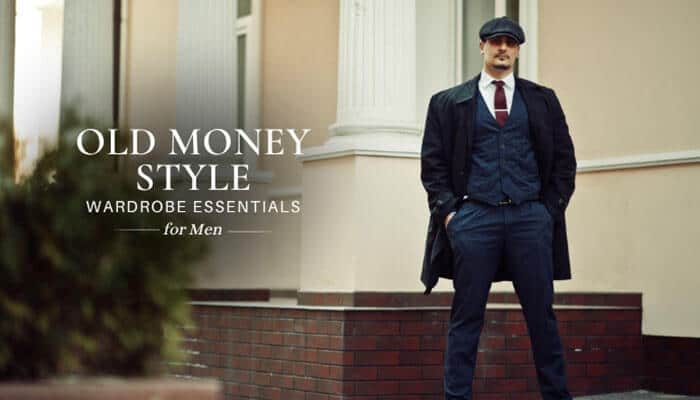
Men’s old money style is just as timeless and easy to build once you know what to look for:
- Navy or grey blazers, single-breasted and well-fitted
- Oxford button-down shirts in white, light blue, or pale pink
- Chino trousers in khaki, navy, or stone
- Cable knit or crewneck sweaters
- Polo shirts in solid colors, no big logos
- Leather loafers or brogues
- A classic wristwatch leather or metal strap
- Wool overcoats for colder months
- A simple leather belt
The old money style for men leans heavily on preppy, collegiate details think tennis clubs, sailing trips, and Ivy League campuses. It is polished but never stiff, and comfortable but never sloppy.
The Old Money Style Color Palette
Color choice is one of the easiest ways to instantly nail old money style. Stick to a muted, natural color palette instead of bright or neon shades:
- Cream and ivory
- Camel and beige
- Navy blue
- Forest green
- Chocolate brown
- Soft grey
- Burgundy
- Black (used sparingly)
Avoid anything too bright, too shiny, or too “loud.” The old money style aesthetic is calm, not flashy, and the colors should reflect that calmness.
Fabrics That Define Old Money Style
Old money style is less about the cut of clothing and more about the quality of the material. The richest-looking outfits are usually made from natural fibers, not synthetic ones. Key fabrics include:
- Cashmere: Soft, warm, and instantly elevated
- Wool and tweed: Structured and classic, perfect for blazers and skirts
- Cotton poplin: Crisp and clean for shirts
- Silk: Smooth and luxurious for blouses and scarves
- Linen: Breathable and relaxed for warmer months
- Fine leather: For shoes, belts, and bags
If you only remember one rule of old money style, remember this: natural fabrics almost always look more expensive than synthetic ones, even if they cost the same.
How to Achieve Old Money Style on a Budget

You do not need a huge budget to pull off old money style. Here is how to do it smartly:
- Shop secondhand and thrift stores: Old money style pieces like blazers, cashmere sweaters, and trench coats are common thrift finds
- Invest in a few key pieces instead of buying many cheap items
- Learn basic tailoring: A $15 hem or waist adjustment can make a $30 item look custom-made
- Choose quality basics over trendy items: A well-made white shirt will outlast ten fast-fashion tops
- Avoid anything with visible logos or branding
- Focus on fit first: Even an inexpensive piece looks expensive when it fits well
Old money style is proof that looking expensive is less about how much you spend and more about how intentional your choices are.
Common Mistakes to Avoid in Old Money Style
Even people who love this aesthetic sometimes get it wrong. Watch out for these common mistakes:
- Wearing clothes that are too tight or too baggy, old money style is always well-fitted
- Choosing bright, neon, or overly printed clothing
- Wearing visible logos or branded items
- Mixing too many patterns at once
- Choosing cheap, shiny synthetic fabrics over natural ones
- Over-accessorizing instead of keeping jewelry simple and minimal
Remember, old money style is built on restraint. When in doubt, choose the simpler option.
Old Money Style Icons to Inspire You
Looking at real examples can help you understand the aesthetic faster. Some well-known style icons often associated with old money style include:
- Jackie Kennedy: Tailored suits, pearls, and clean lines
- Princess Diana: Preppy blazers, knitwear, and equestrian details
- Ralph Lauren campaigns: The gold standard of Ivy League, old money style
- Grace Kelly: Timeless elegance and structured silhouettes
Studying how these icons dressed can give you real inspiration for building your own old money style wardrobe.
Final Thoughts
Old money style is not just another passing trend; it is a return to simplicity, quality, and timeless elegance. By focusing on tailored fits, neutral colors, and natural fabrics, anyone can build a wardrobe that feels polished and effortless, no matter their budget. The beauty of old money style is that it never really goes out of fashion, because it was never designed to chase trends in the first place.
Start small: pick one or two old money style staples, like a tailored blazer or a cashmere sweater, and build from there. Over time, you will have a wardrobe that feels less like “fashion” and more like a personal, lasting sense of style.
Old Money Style FAQs
1. Is old money style expensive to achieve?
Not necessarily. While the original inspiration comes from wealthy families, you can recreate old money style affordably by thrifting, choosing quality basics, and focusing on fit over brand names.
2. What is the difference between old money style and preppy style?
Preppy style is often more playful, with stripes, bright colors, and collegiate logos. Old money style is quieter, more muted, and avoids logos almost entirely.
3. Can old money style work for casual, everyday outfits?
Yes. A simple pair of chinos, a crewneck sweater, and loafers is a perfectly casual old money style outfit that works for daily life.
4. Do I need designer brands to achieve old money style?
No. The look is about fit, fabric, and color, not the brand name. Many affordable brands make pieces that fit the old money style aesthetic perfectly.
